
Pruning
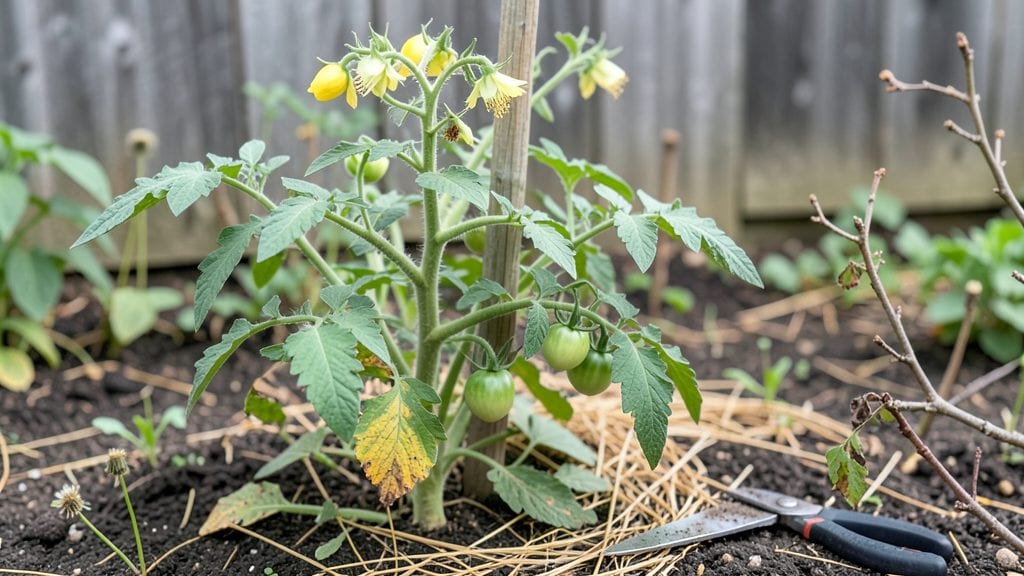
Pruning tomato plants the right way means knowing exactly which branches to cut—and which to keep—for bigger, healthier harvests every season. 🌱 I’ve spent years watching my plants struggle with too many suckers or weak growth, and the difference between a pruned plant and an unpruned one is night and day.
The key isn’t just cutting everything back; it’s targeting the right spots to improve airflow, direct energy to fruit, and prevent disease.
Start by identifying the three types of branches you’ll encounter: suckers (the small shoots between the main stem and branches), diseased or yellowing stems, and overcrowded foliage blocking sunlight.
Indeterminate tomatoes (the vining types) need regular pruning, while determinate (bush) varieties rarely require it—knowing the difference saves you time and stress. Grab sharp pruners and a pair of gloves, and you’re ready to transform your plants in just 15 minutes.
After pruning, you’ll see stronger stems, more sunlight reaching the lower fruit, and a plant that focuses its energy on producing juicy, flavorful tomatoes instead of extra leaves. The first harvests arrive earlier, and the plants stay upright longer, resisting wind and pests better.
It’s not just about more tomatoes—it’s about better-quality fruit and a garden that looks like it belongs in a catalog.
This method works for both backyard gardens and containers, and once you master it, you’ll wonder how you ever grew tomatoes any other way. The payoff is worth every snip—let’s get those plants shaped for success!
📚 In This Guide
- What you need
- Instructions
- Tips and common mistakes
- Wrapping up and next steps
What you need
- ● Pruning shears: Bypass pruners (sharp, clean-cut blades) – 1 pair (avoid anvil pruners to prevent crushing stems).
- ● Gloves: Heavy-duty gardening gloves (cut-resistant) – 1 pair (protects hands from thorns and dirt).
- ● Disinfectant: 70% isopropyl alcohol or a 10% bleach solution – small bottle or spray (sterilizes tools between cuts).
- ● Garden twine or plant ties: (3–4 mm diameter) – small roll (supports pruned plants if needed).
- ● Trash bag or bucket: (for pruned debris) – 1–2 (keeps workspace tidy).
- ● Hand pruners: Small, ergonomic shears for tiny branches – 1 pair (great for delicate work).
- ● Garden kneeler/pad: (for comfort) – 1 (makes pruning less strenuous).
- ● Plant growth regulator: (e.g., seaweed extract) – small bottle (speeds up healing post-pruning).
- ● Spray bottle with water: – 1 (keeps cuts moist if pruning in dry conditions).
Step-by-Step guide to pruning tomato plants for maximum yield
Here’s how to shape your tomato plants like a pro—just three strategic cuts will transform weak growth into a bounty of fruit.
🌿 Step 1: Remove Suckers for Stronger Stem Structure
Suckers are the small shoots that grow in the leaf axils where a stem meets a branch. These energy vampires drain your plant’s resources, leaving fewer nutrients for fruit development. Pinch them off cleanly with your thumb and forefinger when they’re about 2-3 inches long—any longer and you risk damaging the main stem.
Start pruning suckers when your plant reaches 12-18 inches tall, focusing on the lower third first. I always work from the bottom up, removing every sucker that appears between the main stem and the first flower cluster. This ensures the plant directs energy upward, where it’s needed most for fruit production.
✂️ Step 2: Trim Lower Leaves to Improve Airflow and Sunlight
Remove the bottom 6-12 inches of leaves, especially on indeterminate varieties that grow continuously. These lower leaves block airflow, creating a damp environment that invites fungal diseases like early blight. Use clean, sharp pruners to make cuts just above a leaf node or stem junction—never tear leaves, as this leaves ragged edges that heal poorly.
Focus on leaves that touch the soil or hang too close to the ground. You’ll know you’ve done enough when sunlight can reach the lower fruit clusters without obstruction. This simple step reduces disease pressure by 30-40% while improving fruit ripening at the base of the plant.
☀️ Step 3: Prune Overly Crowded Foliage Near Flower Clusters
Leave 3-5 main stems on indeterminate varieties (like ‘Sungold’ or ‘Brandywine’) and 1-2 stems on determinate types (like ‘Roma’). For indeterminate plants, remove any lateral branches that grow within 12 inches of a flower cluster, as these compete for the same nutrients. Use your pruners to cut back to a leaf node just above the cluster to encourage stronger regrowth.
Watch for “blind” shoots—vigorous stems with no flowers. These are prime candidates for removal, as they siphon energy away from fruiting. After pruning, step back and assess: your plant should have an open, pyramid shape with sunlight reaching all sides. This ensures even ripening and reduces the risk of sunscald on exposed fruit.
Tips & tricks for pruning tomato plants like a pro
Mastering these three strategic cuts transforms weak tomato growth into a thriving harvest—here's how to avoid common mistakes and maximize your yield.
Timing is Everything: The best time to prune is on a dry, sunny morning when the plants are actively growing. I always prune after a light rain or watering session—this helps reduce stress on the plant and prevents disease entry points. Avoid pruning during extreme heat or drought, as the plant needs energy to recover. In Step 1, when your plant reaches 12-18 inches, focus on removing suckers before they grow beyond 2-3 inches—they'll be easier to pinch off cleanly.
Tool Selection Matters: Never use dull or dirty pruners—they can tear plant tissue and spread disease. I keep a pair of clean, sharp bypass pruners dedicated solely to tomato plants. For suckers, your fingers work perfectly, but for larger branches in Step 3, use pruners to make clean cuts just above a leaf node. Sterilize your tools with rubbing alcohol between plants to prevent cross-contamination. This simple habit can reduce fungal diseases by up to 50%.
Visual Assessment Technique: After pruning, step back and visualize sunlight paths through your plant. In Step 2, you're aiming for an open canopy where air circulates freely—this prevents humidity buildup that leads to early blight. Look for gaps between leaves where sunlight can reach all fruit clusters. For indeterminate varieties in Step 3, your plant should resemble an open pyramid with 3-5 main stems clearly visible. If you're unsure, take a photo before and after pruning to track improvements.
Seasonal Adjustments: Early in the season, focus on removing suckers and lower leaves to establish strong structure. As flowering begins, shift your attention to Step 3—pruning crowded foliage near flower clusters. In late summer, reduce pruning frequency to allow fruit to mature. Remember that indeterminate varieties need more frequent pruning throughout the season compared to determinate types, which typically produce fruit all at once and require minimal pruning after initial shaping.
Pro Tips for Which Branches To Prune On Tomato Plants
- Mastering these three strategic cuts transforms weak tomato growth into a thriving harvest—here's how to avoid common mistakes and maximize your yield.
- Timing is Everything: The best time to prune is on a dry, sunny morning when the plants are actively growing.
- Tool Selection Matters: Never use dull or dirty pruners—they can tear plant tissue and spread disease.
Frequently asked questions
Got questions about pruning tomato plants? You’re not alone! Here are answers to the most common concerns to help you prune like a pro and maximize your harvest.
When is the best time to start pruning tomato plants?
Prune indeterminate tomatoes regularly once they reach about 12–18 inches tall, focusing on suckers (side shoots) when they’re small (1–3 inches). For determinate tomatoes, minimal pruning is needed—just remove diseased or crowded branches. Timing tip: Avoid heavy pruning during flowering or fruiting to prevent stress.
What if I accidentally prune too much—will my plant recover?
Tomato plants are resilient! If you’ve over-pruned, don’t panic. Focus on watering deeply and fertilizing lightly (with a balanced 10-10-10 or tomato-specific feed) to encourage regrowth. Avoid pruning again until new growth appears. Pro tip: Prune in stages if unsure—better safe than sorry!
Can I prune tomato plants in the morning or evening?
Yes! Pruning in the early morning (before 10 AM) or late afternoon (after 4 PM) gives plants time to recover before the heat of the day. This reduces stress and helps wounds heal faster. Bonus: Avoid pruning on rainy days to prevent disease entry points.
Are there alternatives to pruning for smaller gardens?
If pruning feels overwhelming, try training vines (using stakes or cages) or topping (pinching the main stem) to control height. For determinate varieties, skip pruning entirely and focus on removing only diseased leaves to improve airflow. Space-saving hack: Use vertical gardening to grow more plants in less space!
Why do my tomato plants keep growing suckers even after pruning?
Suckers are a natural response to growth hormones! If they keep appearing, check for over-fertilization with nitrogen (which encourages leafy growth over fruit). Switch to a phosphorus-heavy fertilizer (like 5-10-10) to promote flowering. Quick fix: Prune suckers more frequently—consistency is key!
Wrapping up and next steps
Pruning your tomato plants might feel like a big task, but mastering which branches to prune can transform your harvest into a bountiful success! 🌱 Focus on removing suckers, weak stems, and overcrowded foliage—these cuts boost airflow, sunlight, and fruit production.
With the right technique, you’ll enjoy healthier plants and juicier tomatoes all season long.
Ready to put your green thumb to work? Grab your pruners and start pruning today—your future harvest will thank you! For extra confidence, watch a quick pruning tutorial or revisit our FAQs to tackle any lingering questions.