Flowers
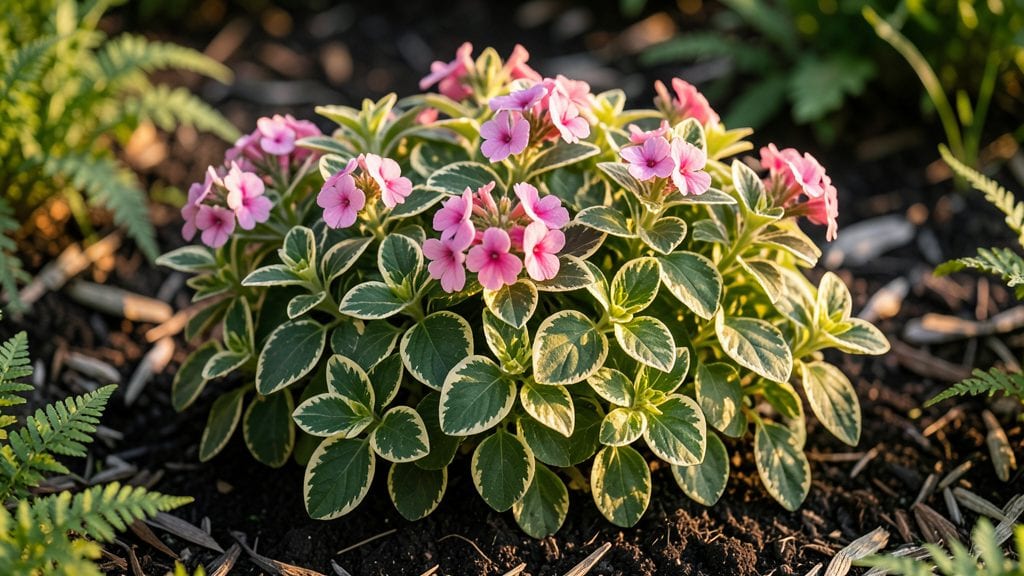
Variegated impatiens plants bring a neon pop to shady corners that regular impatiens can't match. 💚 I’ve grown them for years, and the secret to their showy foliage and nonstop blooms isn’t complicated—it’s about mimicking their natural love of cool, damp shade.
The difference between those striking white-and-green leaves and the plain green varieties isn’t just looks; it’s how they handle heat and light.
You’ll need a spot that gets morning sun at most, rich potting mix that stays moist but drains well, and temperatures above 50°F. These plants spread like crazy, so give them room or plan to prune.
The variegated types need slightly more shade than standard impatiens—their leaves burn faster in direct light. Start with a 4-inch pot and upgrade to hanging baskets or garden beds once they’re established.
By midsummer, you’ll have a waterfall of blooms in pink, red, or white, with foliage that looks like it’s been airbrushed. The key is keeping soil consistently damp without soggy roots—these plants wilt fast when thirsty.
A balanced fertilizer every 4-6 weeks keeps them blooming until frost. They’re the perfect shade garden workhorse, outlasting most annuals with minimal fuss.
For extra drama, mix them with ferns and hostas—their bright leaves contrast beautifully. Just watch for slugs, which adore variegated impatiens. With the right setup, you’ll have shade that pops all season, and neighbors will ask how you did it. The answer? Let them grow wild in perfect conditions.
📚 In This Guide
- What you need
- Instructions
- Tips and common mistakes
- Wrapping up and next steps
What you need
- ● Variegated impatiens plants: 3–5 healthy nursery-grown plants (check for vibrant variegated foliage and buds).
- ● Well-draining potting mix: 10–15 gallons (or 2–3 bags of high-quality peat-based mix for containers).
- ● Containers or garden bed: Containers: 10–12" diameter pots (1 per plant) with drainage holes.
- ● Garden bed: Partial to full shade spot (4+ hours of indirect light daily).
- ● Slow-release fertilizer: 10–20–10 NPK ratio (1 tbsp per plant or per 1 gallon of soil).
- ● Watering can or hose with gentle spray: For consistent moisture (avoid soggy roots!).
- ○ Mulch (optional but recommended): 1–2 inches of shredded bark or coconut coir to retain moisture.
- ● Epsom salt: 1 tsp dissolved in water monthly for extra magnesium (boosts variegation!).
- ● Garden gloves: For handling plants without soil stains.
- ● Plant labels: To track varieties (e.g., ‘Jungle Cocktail’ or ‘Fusion’).
- ● Shade cloth (30–50% coverage): For hot climates to prevent leaf scorch.
- ● Fungicide (preventative): Copper-based spray if humidity is high.
How to grow thriving variegated impatiens in containers
Here’s my foolproof method for coaxing those stunning variegated impatiens into a lush, blooming display.
🪴 Step 1: Choose the Right Containers and Soil Mix
Pick containers with drainage holes—impatiens roots rot quickly in soggy soil. I use 6-8 inch pots for each plant, since they stay compact but need room to spread. Fill each with 2 gallons of high-quality potting mix (never garden soil—it’s too dense). Add ½ cup perlite to each pot to improve drainage.
Mix the perlite into the potting mix until it’s evenly distributed. This keeps roots aerated and prevents waterlogging. Press the soil down lightly so it’s firm but not packed. The surface should look slightly rough—this helps water spread evenly instead of pooling.
🌱 Step 2: Plant and Water to Settle Roots
Remove your variegated impatiens from their nursery pot and gently loosen the roots if they’re circling. Place the plant in the center of the pot, then fill around it with the potting mix, pressing lightly as you go. The top of the root ball should sit ½ inch below the pot’s rim—this prevents soil from spilling out when you water.
Water deeply until it drains from the bottom holes. You’ll know it’s enough when water stops running out after 2-3 minutes. Let the plant sit for 24 hours before moving it to its final spot. This gives roots time to adjust without stress.
☀️ Step 3: Place in Bright, Indirect Light
Variegated impatiens thrive in partial shade—think 4-6 hours of morning sun and afternoon shade. A north- or east-facing window is ideal, or place them under a 30% shade cloth if outdoors. Too much direct sun bleaches their variegation and burns leaves.
Watch for leggy growth—a sign they’re stretching toward light. If stems grow too tall, rotate the pot ¼ turn weekly so they grow evenly. You’ll see fresh, compact growth within 7-10 days of proper light placement.
💧 Step 4: Water and Fertilize for Continuous Blooms
Keep soil evenly moist—never let it dry out completely. Stick your finger 1 inch deep into the soil; if it feels dry, water until it’s damp through the bottom ½ inch. In hot weather, you may need to water daily, but avoid soggy soil.
Feed with ½ strength liquid fertilizer every 2 weeks starting when you see new buds. I use a balanced 10-10-10 formula diluted to half-strength. Over-fertilizing causes salt buildup, which yellows leaves. Always water before fertilizing to prevent root burn.
✂️ Step 5: Prune and Deadhead for Fullness
Pinch back leggy stems to encourage bushier growth. Use clean scissors to cut just above a leaf node—never tear stems. Do this 2-3 times in the first month, and you’ll see a fuller plant within 4-6 weeks.
Deadhead spent blooms by snipping the stem just below the faded flower. This redirects energy to new blooms instead of seed production. I do this once a week during peak bloom season. With consistent care, your variegated impatiens will flower nonstop from spring until frost.
Tips & tricks for perfect variegated impatiens care
These simple tricks will help you avoid common mistakes and keep your variegated impatiens thriving all season long.
The Container Factor: The 24-hour settling period in Step 2 is crucial—don't skip it! This gives roots time to establish without transplant shock. If you're using decorative pots without drainage, add a layer of pebbles at the bottom to prevent waterlogging. I've seen impatiens roots rot when planted in pots without proper drainage, so always double-check those holes!
Light Placement Secret: Those 4-6 hours of morning sun in Step 3 are non-negotiable for maintaining variegation. If your plants start looking pale or bleached, they're getting too much direct sun. For indoor growers, a sheer curtain between the plant and bright window can diffuse harsh light while still providing enough brightness. Rotating the pot weekly (as mentioned) also prevents lopsided growth from leaning toward the light source.
Watering Wisdom: The 1-inch deep soil check in Step 4 is your best friend. If you're unsure whether to water, check again in 30 minutes—impatiens prefer consistent moisture but hate soggy conditions. In hot weather, I water mine in the morning so the foliage has time to dry before evening, reducing the risk of fungal issues. A moisture meter can help if you're still unsure about that "damp through the bottom" guideline.
Pruning Payoff: Those 2-3 pruning sessions in the first month might seem like overkill, but they make a huge difference. Each time you pinch back leggy stems, you're encouraging the plant to branch out and become bushier. I've seen impatiens that were pruned regularly become twice as full as those that weren't. Just remember to use clean scissors—dull blades can crush stems and invite disease.
Pro Tips for Variegated Impatiens Plants
- These simple tricks will help you avoid common mistakes and keep your variegated impatiens thriving all season long.
- The Container Factor: The 24-hour settling period in Step 2 is crucial—don't skip it! This gives roots time to establ...
- Light Placement Secret: Those 4-6 hours of morning sun in Step 3 are non-negotiable for maintaining variegation. If y...
Frequently asked questions
Got questions about growing variegated impatiens? You’re not alone!
These stunning shade-lovers are easy to love but sometimes tricky to master. Here are answers to the most common queries—so you can enjoy their bold blooms without the stress.
How do I keep variegated impatiens from losing their variegation?
Variegation fades when plants get too much direct sunlight (even partial sun can bleach the leaves). Keep them in dappled or full shade (morning sun is okay if filtered). Over-fertilizing with high-nitrogen mixes can also dull the pattern—use a balanced, low-nitrogen fertilizer instead.
When is the best time to plant variegated impatiens?
Start seeds indoors 8–10 weeks before your last frost date (they germinate best in warm soil, ~70°F). Transplant after the soil warms (night temps above 50°F) and all frost risk has passed. For cuttings, take them in early spring—they root quickly in water or moist perlite.
Why are my variegated impatiens wilting or drooping?
Wilting usually means underwatering (they love consistently moist soil) or root stress from overcrowding. Check the soil—it should feel damp but not soggy. If roots are exposed when repotting, trim any mushy bits and replant in well-draining potting mix. Pro tip: Mulch with shredded bark to retain moisture!
Can I grow variegated impatiens in containers?
They thrive in hanging baskets, window boxes, or pots (minimum 6-inch depth). Use a lightweight, peat-based mix and ensure containers have drainage holes. For extra shade, place them near north-facing windows or under trees. Bonus: They’re perfect for adding color to patios or balconies!
What pests should I watch for with variegated impatiens?
Keep an eye out for aphids, spider mites, and slugs—they adore tender impatiens leaves. Spray aphids off with water or use neem oil for prevention. For slugs, set out beer traps or diatomaceous earth around plants. Early action = fewer headaches!
Are variegated impatiens annuals or perennials?
They’re tender perennials—meaning they’ll die back in frost but self-seed prolifically in warm climates (USDA zones 10–11). In colder areas, treat them as annuals and replant each spring. Fun fact: Their seeds can lie dormant for years, popping up as “volunteers”!
Wrapping up and next steps
Variegated impatiens plants bring vibrant, eye-catching color to shady gardens with minimal fuss—perfect for adding life to dim corners! 🌿 Their striking variegated foliage and cheerful blooms make them a must-have for shade lovers, while their easy care ensures success even for beginners.
Whether you’re filling containers, borders, or hanging baskets, these beauties deliver big impact with zero drama.
Ready to transform your space? Grab your variegated impatiens seeds or plants today, pick the perfect spot, and watch your garden burst into color—no sunlight required! 🌈