Watering
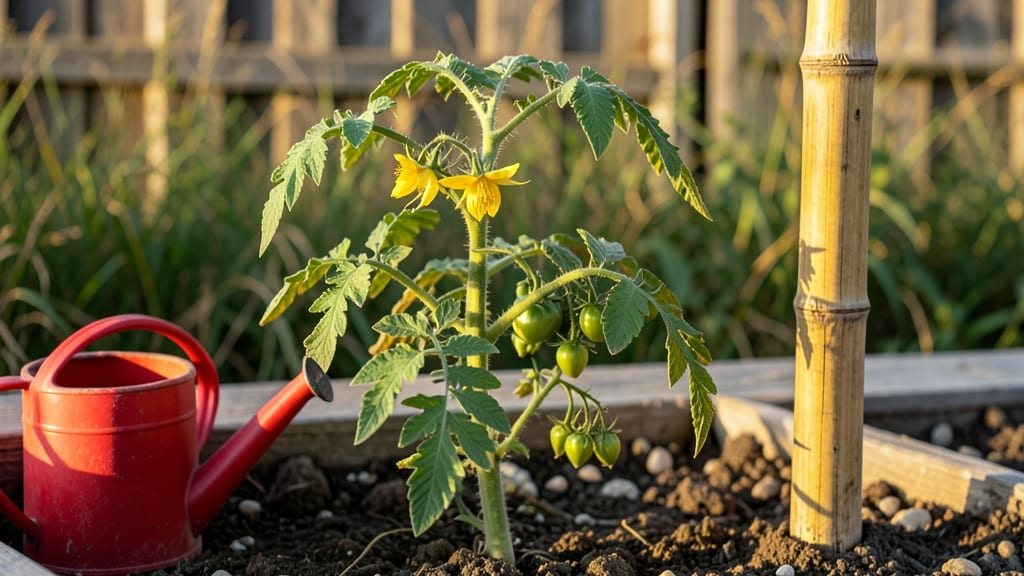
Your underwatered tomato plant is screaming for help—literally, its leaves are curling like a desperate plea. 🌱 I’ve nursed back more than a dozen of these from crispy death’s door, and the fix isn’t as scary as it looks.
The problem starts with soil that’s drier than a summer bonfire, but the solution is simpler than you think: check the roots, adjust your watering rhythm, and give those plants a second chance.
First, dig your finger 1-2 inches into the soil. If it feels like sandpaper or crumbles into dust, that’s your answer. Tomatoes need 1-2 gallons of water per plant weekly, but shallow puddles won’t cut it—water should soak 6-8 inches deep.
Overhead sprinklers? They’re the enemy here. Use a soaker hose or drip irrigation to deliver water where the roots actually live.
Within 48 hours, you’ll see the first signs of revival: leaves unfurling, stems standing taller. Keep the soil consistently moist (not soggy) for 10-14 days, and watch as your plant rebounds with vibrant green growth.
The key is patience—tomatoes bounce back faster than you’d expect, but they need steady care to stay that way.
Prevention is easier than rescue: mulch with 2-3 inches of straw or shredded leaves to lock in moisture, and water early in the morning to reduce evaporation. Once you’ve mastered this, your tomatoes will thrive instead of beg for mercy. Let’s turn those wilting leaves into lush canopies again.
Root Causes Of Dry Tomato Plants
When your tomato plants start wilting despite your best efforts, the issue often boils down to a few key factors—each with a scientific explanation. Understanding these causes helps you take precise action to revive your plants before permanent damage occurs.
Here’s why underwatering happens and what’s really going on in the soil.
Tomatoes thrive with 1–1.5 inches of water per week, but inconsistent watering leads to stress. Here’s why:
- Surface-Level Moisture: Light watering only wets the top inch of soil, leaving deeper roots parched. Tomato roots can extend 3–4 feet deep, so shallow watering doesn’t reach them. Result: Roots struggle to absorb enough water, triggering wilting.
- Evaporation Loss: Sandy or loose soils drain water quickly, especially in hot climates. If you water in the morning, up to 50% of moisture can evaporate by afternoon, leaving roots thirsty.
- Uneven Distribution: Drip irrigation or handheld watering can create dry spots. Tomato plants have sensitive root zones—if one side dries out, the plant prioritizes water to the wettest areas, causing uneven wilting.
Actionable Fix: Use deep watering techniques (soak soil until water drains 6–8 inches down) and mulch to retain moisture.
While overwatering is often blamed, compacted or clay-heavy soil can actually lock out water, making it inaccessible to roots. Here’s how:
- Root Suffocation: Dense soil cuts off oxygen to roots, forcing them to focus on survival over water uptake. Healthy roots need 20–30% air space—if soil is waterlogged or packed, roots suffocate and can’t absorb moisture efficiently.
- Water Repellency: Organic matter breakdown in poorly amended soil creates hydrophobic layers. Water beads up instead of soaking in, leaving roots dry even if the surface looks wet.
- Salt Buildup: Over time, minerals accumulate in clay soils, creating a hypertonic solution that pulls water out of the roots—essentially dehydrating them from the inside.
Actionable Fix: Test soil drainage (dig a hole, fill with water—if it drains in <1 hour, it’s good; if it pools, amend with compost or perlite).
Heat, wind, and humidity directly impact how fast soil dries out. Tomatoes are tropical plants—when conditions shift, they demand more water than you might expect:
- High Temperatures: Soil loses moisture 3x faster at 90°F than at 70°F. Tomato leaves transpire aggressively (up to 0.5 gallons per plant per day in heat), but roots can’t keep up if watering is inconsistent.
- Wind Exposure: Wind increases evaporation rates by 20–40%, drying soil and leaves simultaneously. Container-grown tomatoes are especially vulnerable.
- Low Humidity: Dry air forces stomata (leaf pores) to open wider to absorb CO₂, but this accelerates water loss. In desert climates, tomatoes can lose 50% more water than in humid regions.
Actionable Fix: Water early morning or late evening, use shade cloth for containers, and group plants to reduce wind exposure.
Each of these factors disrupts the plant’s hydraulic balance—the delicate system that moves water from roots to leaves. The good news? Once you identify the root cause, targeted fixes (like deep watering, soil amendments, or mulching) can restore moisture and revive your tomatoes in 3–7 days.
Reviving Your Tomato Plant Step-by-Step
If your tomato plant is looking thirsty and droopy, don’t panic—it’s often an easy fix! The key is identifying the root cause (literally and figuratively) and taking actionable steps to restore moisture balance.
Below, we’ll break down solutions tailored to the most common reasons your plant is underwatered, plus prevention tips to keep your tomatoes thriving all season.
Cause: Shallow watering or infrequent hydration leads to dry soil and stressed roots.
How to Fix It:
- 🔥 Check Soil Moisture First Stick your finger 1–2 inches into the soil. If it feels dry, it’s time to water. For deeper checks, use a moisture meter or a screwdriver—if it resists, your plant needs hydration.
- 🍳 Water Slowly and Deeply Instead of a quick sprinkle, water until the soil is thoroughly moistened. Aim for 1–1.5 inches of water per week, adjusting for heat or sandy soil.
Use a soaker hose or drip irrigation to deliver water directly to the roots without wasting it on leaves (which can cause disease).
- 👨🍳 Schedule Consistent Watering Early morning (6–9 AM) is ideal—it reduces evaporation and fungal risks. Avoid evening watering, as damp leaves overnight can attract pests.
- ⏰ Monitor for 3–5 Days After deep watering, watch for signs of recovery: perky leaves, firmer stems, and new growth. If wilting persists, the roots may need more time to rehydrate.
💡 Pro Tip: Mulch around your tomato plants with straw, grass clippings, or wood chips to retain moisture and regulate soil temperature. Aim for a 2–3 inch layer—this can cut watering needs by up to 30%!
Cause: Inconsistent watering (e.g., skipping days or overwatering then drying out) confuses the plant’s hydration system.
How to Fix It:
- 🔪 Assess Your Current Habits Are you watering based on a schedule or the plant’s needs? Tomatoes need consistent moisture—never let the soil dry out completely between waterings.
- 🌡️ Adapt to Your Climate
- Hot/Dry Climates: Water daily in extreme heat, especially for young plants.
- Cool/Mild Climates: 2–3 times per week may suffice, but always check soil moisture.
- Rainy Seasons: Reduce watering and improve drainage to prevent root rot.
- 🎯 Use the “Finger Test” Daily Train yourself to check soil moisture before watering. If the top 1–2 inches are dry, it’s time. If it’s still damp, wait another day.
- ✨ Upgrade Your Tools
- Self-watering pots (for container tomatoes).
- Rain gauges to track natural water input.
- Smart sprinklers with soil moisture sensors.
💡 Pro Tip: If your tomatoes are in containers, larger pots (5+ gallons) hold moisture better than small ones. Smaller pots dry out faster—upgrade if needed!
Cause: Poor soil structure (sandy, compacted, or nutrient-poor) drains water too quickly or holds it poorly.
How to Fix It:
- 🔥 Amend Your Soil Mix in compost, coconut coir, or peat moss to improve water retention. Aim for a 20–30% organic matter ratio in your soil.
- 🍳 Add Hydration Helpers
- Hydrogel crystals (soak in water, then mix into soil—they release moisture slowly).
- Biosolids or worm castings (enhance soil structure and microbial activity).
- 👨🍳 Improve Drainage If your soil is clay-heavy, add perlite or vermiculite to create air pockets. For container plants, ensure pots have drainage holes and use a well-draining potting mix.
- ⏰ Test Soil pH Tomatoes thrive in slightly acidic soil (6.0–6.8 pH). Use a soil test kit to adjust with lime (to raise pH) or sulfur (to lower it).
💡 Pro Tip: Avoid over-fertilizing—too many salts in the soil can worsen drought stress. Stick to a balanced, slow-release fertilizer (like 10-10-10) every 4–6 weeks.
Once your tomato plant perks up, keep these habits to avoid another underwatered crisis:
- 📊 Track Watering Logs: Note how much and how often you water based on weather conditions.
- 💪 Use Drought-Resistant Varieties: Try ‘Solar Fire,’ ‘Heatmaster,’ or ‘Mountain Merit’—they tolerate heat and dry spells better.
- 🥗 Prune Wisely: Remove lower leaves to improve airflow and reduce moisture loss from the soil.
- 🍎 Mulch Religiously: Reapply mulch every few weeks to maintain moisture levels.
With these fixes, your tomato plant should bounce back in 3–7 days. Keep an eye on progress, and soon you’ll be harvesting juicy, plump tomatoes instead of wilting leaves! 🍅✨
Frequently asked questions
How do I know if my tomato plant is truly underwatered?
Check for crispy leaf edges, wilting that doesn’t bounce back when watered, and soil that’s bone-dry 1-2 inches deep. Pull a leaf gently—if it snaps instead of bending, that’s a classic underwatering sign. Also look for yellowing between leaf veins, which indicates stress.
Can I fix an underwatered tomato plant if the leaves are already crispy?
Yes, but act fast! Trim any severely damaged leaves and give the plant a deep soak (1-2 gallons) to revive roots. For crispy leaves, prune them back to healthy green growth—the plant will redirect energy to recovery. Within 3-5 days, you should see new growth if the roots are still alive.
What's the best time of day to water tomato plants?
Water in the early morning (6-9 AM) to reduce evaporation and fungal risks. Avoid evening watering—wet leaves overnight can attract pests. For container tomatoes, water when the top inch of soil feels dry, but never let them sit in soggy conditions for more than a few hours.
Will mulch really help my underwatered tomato plants?
A 2-3 inch layer of organic mulch (straw, wood chips) locks in moisture and regulates soil temperature. This can cut watering needs by up to 30% by preventing evaporation. Just keep mulch 2 inches away from stems to avoid rot.
How often should I water tomato plants in extreme heat?
In temperatures above 90°F, water daily—especially for young plants or containers. Use a soaker hose to deliver 1-2 gallons per plant, and check soil moisture twice daily. Group plants together to create microclimates that retain humidity.