
Pruning
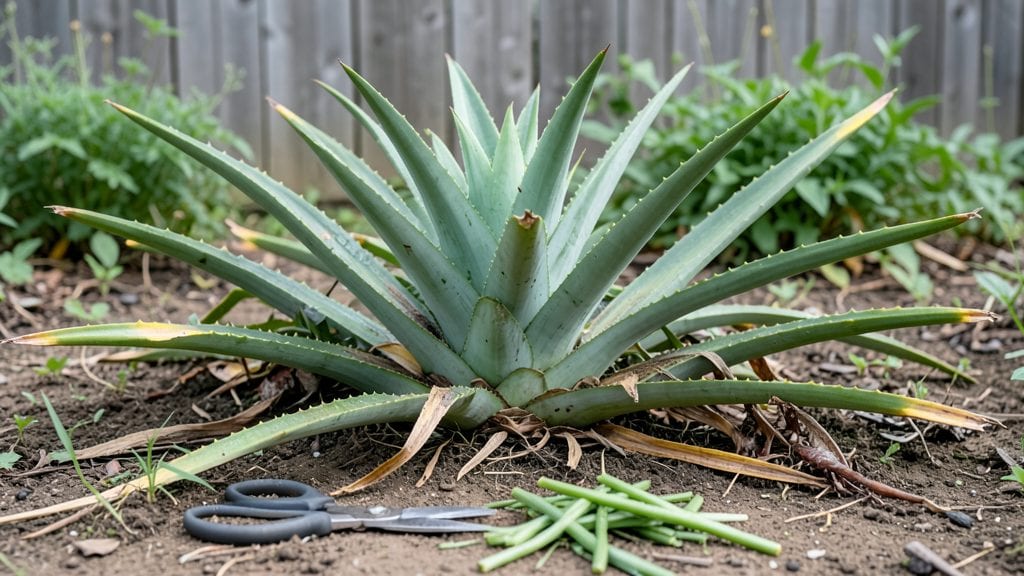
Trimming your pineapple plant after fruiting is the secret to bigger harvests next time. ✨ I’ve watched mine go from scraggly to bushy just by cutting back the right way—no fancy tools or green thumbs required.
The key is timing: wait until the fruit ripens completely before you touch those leaves, or you’ll stunt regrowth.
You’ll need sharp pruning shears (or clean scissors), a small pot for cuttings if you want new plants, and a little patience. The goal is to remove only the dead or yellowing leaves—never more than a third of the plant at once.
Think of it like giving your pineapple a haircut: too much, and it gets stressed; just right, and it thrives.
After trimming, you’ll notice fresh green shoots within weeks, and those new leaves mean more energy for bigger, sweeter fruits. The plant even sends out pups (baby plants) at the base—perfect for propagating.
Just keep the soil moist and in bright, indirect light, and you’ll have a thriving pineapple factory in no time.
Works for both indoor and outdoor plants, and the process takes less than 20 minutes. Here’s how to do it without killing your plant—or your confidence.
📚 In This Guide
- What you need
- Instructions
- Tips and common mistakes
- Wrapping up and next steps
What you need
- ● Sharp pruning shears or scissors: Sterilized (rubbing alcohol wipe) to prevent disease. Size: Small-handled for precision.
- ● Rubbing alcohol (70% isopropyl): 1 small bottle (4 oz) for sterilizing tools.
- ● Garden gloves: 1 pair (nitrile or leather) to protect hands from thorns.
- ○ Horticultural oil or fungicide: 1 spray bottle (optional but recommended for open cuts).
- ● Compost or well-draining potting mix: 1 small bag (for repotting trimmings if desired).
- ● Pruning saw: For thick, woody stems (if your plant is mature).
- ● Rooting hormone: Gel or powder (1 small tube) to boost propagation success.
- ● Spray bottle with water: For hydrating cut areas post-pruning.
- ● Label markers: If propagating pups—1 pack to track new plants!
Step-by-Step instructions for trimming a pineapple plant
Here's how to encourage a bushier plant and bigger fruit with simple, effective pruning.
🌿 Step 1: Identify Healthy Leaves and Remove Dead Growth
Start by examining your pineapple plant for any brown, yellow, or damaged leaves at the base. These are your first targets—healthy plants focus energy on new growth, not repairing dead tissue. Use clean, sharp scissors or pruning shears to cut these leaves off at the base, making a clean cut just above where the leaf meets the stem.
Don't pull leaves by hand—this can tear the plant and leave jagged edges that invite rot. You'll notice the plant's center looks denser as you remove the outer, unhealthy leaves. This step is all about creating space for new shoots to emerge.
✂️ Step 2: Prune Suckers for Bushier Growth
Look for small shoots (called "suckers") growing from the base of the plant or along the stem. These are your plant's way of reproducing, and pruning them encourages the main plant to grow fuller and produce larger fruit. Use your shears to cut these suckers off at the base, leaving a small stub.
Here's the thing—don't remove all suckers if you want more plants. Keep 2-3 of the healthiest ones and replant them in separate pots if you'd like additional pineapple plants. The main plant will thank you for the extra space to grow stronger.
🪴 Step 3: Trim the Top of the Plant for Better Fruit Development
Once your pineapple plant flowers and the fruit begins to form, it's time to prune the top. Wait until the fruit is about 3-4 inches in diameter before cutting the top 2-3 inches above the fruit. This redirects the plant's energy from growing taller to developing a bigger, sweeter pineapple.
Use your shears to make a clean cut at a slight angle. Avoid cutting too close to the fruit—you want to leave enough stem to support the weight. After trimming, you'll see new shoots emerging from the base, which is a sign the plant is focusing its energy on growing stronger and producing better fruit.
💧 Step 4: Care for the Plant After Pruning
After pruning, give your pineapple plant a good drink of water to help it recover. Water deeply until you see moisture draining from the bottom of the pot, but avoid leaving the plant sitting in standing water. This ensures the roots get the hydration they need without risking rot.
Place the plant in a spot with bright, indirect light for a few days to help it recover. You'll notice new growth emerging within 1-2 weeks as the plant adjusts to its new shape. Keep an eye on the plant over the next few months—you'll see it filling out and producing a larger, more flavorful pineapple.
Tips & tricks for pruning your pineapple plant
A few simple tricks will help you get the most out of your pineapple plant's growth potential.
The Right Tools Make All the Difference: Never use dull scissors or shears—they can crush leaves and create jagged cuts that invite disease. Invest in a good pair of clean, sharp pruning shears for a precise cut just above where the leaf meets the stem. I've seen plants recover poorly from rough cuts, so take your time to make clean, angled snips. This prevents tearing and gives your plant the best chance to heal properly.
Timing is Everything for Fruit Development: In Step 3, when you're trimming the top of the plant, patience pays off. Wait until the fruit reaches 3-4 inches in diameter before cutting the top 2-3 inches above it. This timing ensures the plant has established enough energy to support the fruit's growth. I've learned the hard way that cutting too early can stunt fruit development—wait for that perfect window when the plant is ready to redirect its energy.
Don't Overlook the Suckers: Those small shoots at the base might seem like nuisances, but they're actually opportunities! In Step 2, when pruning suckers, keep 2-3 of the healthiest ones to replant. These will grow into new pineapple plants, giving you both more fruit and a chance to experiment with different growing conditions. I've grown three new plants from suckers this way, and they're thriving just as well as the mother plant.
Recovery Care is Key: After pruning, the first 1-2 weeks are critical for your plant's recovery. Place it in bright, indirect light (not direct sun) and water deeply but carefully—no soggy soil! I've seen plants struggle when they're either too dry or too wet during this period. The goal is to help your plant focus its energy on new growth rather than recovering from stress.
Pro Tips for Trim Pineapple Plant
- A few simple tricks will help you get the most out of your pineapple plant's growth potential.
- The Right Tools Make All the Difference: Never use dull scissors or shears—they can crush leaves and create jagged cuts that invite disease.
- Timing is Everything for Fruit Development: In Step 3, when you're trimming the top of the plant, patience pays off.
Frequently asked questions
Got questions about trimming your pineapple plant? You’re not alone—many gardeners wonder how, when, and why to prune for the best results. Here are the most common queries answered in simple terms:
How do I know when my pineapple plant is ready to trim?
Trim your pineapple plant when it reaches 12–18 inches tall and has developed 4–6 healthy leaves. This is the ideal stage for pruning to encourage bushier growth. Avoid trimming too early—wait until the plant is established but still young enough to respond well.
What’s the best way to trim a pineapple plant for bigger fruits?
Use a sterilized knife or pruning shears to cut the top 1–2 inches above a leaf node. This encourages the plant to send out pups (offshoots), which can grow into new plants—and sometimes even produce larger fruits. Always trim just above a leaf, never below!
Can I propagate the trimmings from my pineapple plant?
The pups (baby plants) that form after trimming can be gently removed and replanted. Let the cut end dry for a day or two, then place it in well-draining soil. Keep it in bright, indirect light and water lightly until roots form (about 2–4 weeks).
What should I do if my pineapple plant turns yellow or wilts after trimming?
Yellowing or wilting can mean overwatering or shock from aggressive pruning. Ensure the plant gets bright light (6+ hours daily) and water only when the top inch of soil is dry. If the damage is severe, trim only 1–2 leaves at a time to avoid stressing the plant further.
Does trimming my pineapple plant affect fruit production?
Yes! Trimming stimulates bushier growth and can lead to more pups, which may produce smaller but more frequent fruits. However, if you’re growing a pineapple for a single large fruit, avoid heavy pruning—focus on removing only dead or damaged leaves instead.
Wrapping up and next steps
Trimming your pineapple plant isn’t just about aesthetics—it’s a game-changer for bushier growth and juicier, larger fruits! 🌱 By mastering the right techniques and timing, you’ll unlock the plant’s full potential while keeping it healthy and thriving.
Now that you’re armed with the know-how, roll up your sleeves and give your pineapple a fresh trim—your future harvest will thank you!
Ready to take it further? Experiment with different pruning styles or share your progress with fellow plant enthusiasts. Happy pruning—and may your pineapples grow sweeter with each season! 🍍✨