
Companion Plants
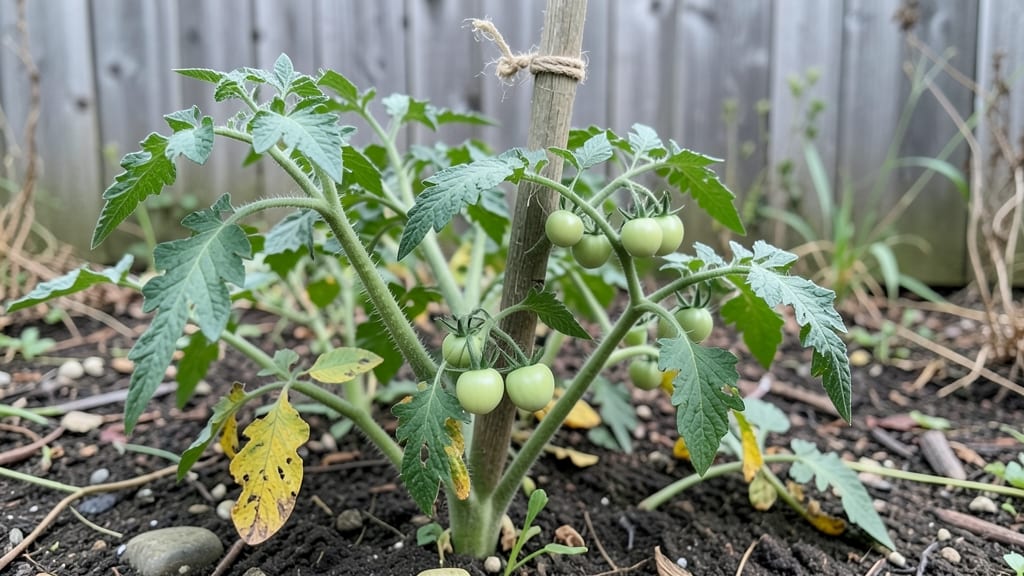
Training tomato plants isn't just about tying vines to stakes—it's about unlocking their full potential for bushier growth and heavier fruit that rivals grocery store prices. 🌱 I spent years watching my tomatoes sprawl across the garden like unruly vines, until I discovered how strategic pruning and support could transform them into productive powerhouses.
The difference between a few sad tomatoes and a harvest that feeds the neighborhood starts with how you guide those plants upward.
You don't need fancy equipment—just sturdy stakes, soft plant ties, and a sharp pair of pruners. Most gardeners skip pruning entirely, but removing suckers (those little shoots between the stem and branches) redirects energy to fruit production.
I prune mine every 10-14 days during peak growth, and the results are worth the effort: plants stay upright, airflow improves, and diseases like blight have less chance to take hold. Even my black thumb can't mess this up once you get the rhythm.
What you end up with is a tomato plant that looks like it belongs in a greenhouse, not your backyard. The vines grow taller and stronger, the fruit ripens faster, and you avoid the heartbreak of tomatoes rotting on the ground.
By late summer, you'll be picking pound after pound of sun-ripened tomatoes that taste like nothing from the store. The best part? This method works for both determinate (bush) and indeterminate (vining) varieties, so no matter what you grow, you'll see better results.
Whether you're working with 5-foot cages or DIY trellises, the principles stay the same. The key is consistency—don't wait until the plants are wild before you start training.
With a little practice, you'll have tomatoes that don't just survive the season, but thrive in it. Let's get those vines growing the right way!
📚 In This Guide
- What you need
- Instructions
- Tips and common mistakes
- Wrapping up and next steps
What you need
- ● Tomato plants: 1-6 plants (depending on space; choose determinate or indeterminate varieties for your needs).
- ● Pruning shears: 1 pair (sharp, clean, and sterilized to prevent disease).
- ● Garden twine or soft plant ties: 1-2 rolls (for staking or trellising).
- ● Support stakes or cages: 1 per plant (5-6 ft tall for indeterminate varieties, 3-4 ft for determinate).
- ● Balanced fertilizer: 1 bag (10-10-10 or organic options like compost or worm castings).
- ● Watering can or hose with gentle nozzle: 1 (for consistent moisture without damaging vines).
- ○ Gloves (optional but recommended): 1 pair (to protect hands from thorns and dirt).
- ● Hand pruners: 1 pair (for precision trimming).
- ● Disinfectant (rubbing alcohol or bleach solution): Small bottle (to sterilize tools between cuts).
- ○ Plant growth regulator (optional): 1 bottle (like seaweed extract to boost recovery post-pruning).
- ● Mulch (straw or shredded leaves): 1-2 bags (to retain moisture and suppress weeds).
- ● Plant markers: 10+ (to label varieties if growing multiple types).
Step-by-Step instructions for training tomato plants
Here’s how I transform leggy, sprawling tomato vines into sturdy, productive plants—no guesswork involved.
🌱 Step 1: Identify the Main Stem and Lateral Shoots
Start by examining your tomato plant’s growth pattern. The main stem is the thick, central vine that grows upward from the base. Look for lateral shoots—these are the smaller stems that sprout from the joints (called nodes) along the main stem. These laterals are where fruit clusters form, but they need guidance to grow productively.
Use your fingers to gently trace each lateral shoot. The first 6-8 inches of the main stem should be left unpruned—this section contains the plant’s energy reserves. Beyond that, you’ll decide which laterals to keep or remove. I always wait until shoots are at least 2 inches long before pruning; this ensures I don’t accidentally cut off potential fruit clusters.
✂️ Step 2: Prune for Bushier Growth and Airflow
Remove any lateral shoots that grow below the first flower cluster. These laterals drain energy from the plant without contributing to fruit production. Use clean, sharp pruning shears or your fingers to pinch them off at the base. Avoid tearing the stem—this invites disease. For indeterminate varieties (those that grow continuously), I keep one or two strong laterals per node above the first flower cluster to encourage bushier growth.
If you notice suckers—small shoots growing between the main stem and a lateral—remove them immediately. Suckers compete for nutrients and weaken the plant. The goal is to redirect energy to the main stem and the chosen laterals. Prune on a dry, sunny morning to allow wounds to heal quickly and reduce the risk of fungal infections.
☀️ Step 3: Support and Train the Main Stem
Indeterminate tomatoes need vertical support to prevent sprawling and disease. Install a sturdy stake, cage, or trellis as soon as you transplant seedlings. I use 5-6 foot bamboo stakes for my tallest varieties, driving them 6 inches deep into the soil. Secure the main stem to the stake with soft plant ties (never wire or twine—it cuts into the stem as the plant grows).
As the plant grows, gently weave the main stem around the stake in a spiral or zigzag pattern. This distributes weight evenly and prevents the stem from snapping under the weight of fruit. Check ties every 7-10 days—they’ll tighten as the plant expands. If you see the stem rubbing against the stake, loosen the tie immediately to avoid damage.
🌿 Step 4: Monitor and Adjust for Fruit Production
Once flowers appear, focus on fruit-bearing laterals. Remove any laterals that grow too close together—this ensures each cluster gets enough sunlight and air circulation. Aim for 12-18 inches of space between clusters. If you see a lateral with only one or two small leaves, prune it off. Weak laterals won’t support heavy fruit and may rot in humid conditions.
Pay attention to the top of the plant. For indeterminate varieties, pinch off the terminal bud (the small growth point at the very top) once the plant reaches your desired height. This redirects energy to existing fruit clusters instead of encouraging more vertical growth. Harvest regularly to encourage continuous flowering—ripe tomatoes signal the plant to produce more blooms.
⏰ Step 5: Seasonal Maintenance for Long-Term Health
As summer progresses, inspect the plant weekly for signs of stress. Yellowing leaves? That’s often a sign of overwatering or nutrient deficiency. Brown spots? Likely fungal disease from poor airflow. Adjust your pruning accordingly—remove crowded leaves or fruit clusters to improve circulation. In late summer, reduce watering slightly to harden off the plant for harvest.
When temperatures drop below 50°F at night, indeterminate tomatoes slow down. This is the time to prune back any diseased or dead foliage and focus on harvesting mature fruit. For determinate varieties (those that grow to a fixed size), prune only to remove diseased leaves—they don’t benefit from aggressive training. Save your energy for next season’s plants!
Tips & tricks for training tomato plants
A few strategic moves can transform your tomato plants from chaotic sprawlers into productive powerhouses. Here’s what I’ve learned after years of trial and error in the garden.
Pruning Precision: When working with indeterminate varieties in Step 2, focus on removing suckers that grow between the main stem and a lateral shoot—these energy vampires can reduce your yield by up to 30% if left unchecked. I make a habit of checking for suckers every 7-10 days during the growing season, which matches the timing for checking plant ties. The key is to prune at the base where the sucker meets the main stem, not higher up where you might accidentally damage the lateral.
Support System: For Step 3, I can't emphasize enough how crucial proper support is—especially for tall indeterminate varieties. When installing your 5-6 foot bamboo stakes, drive them 6 inches deep to prevent them from toppling in windy conditions. I've learned the hard way that flimsy stakes or shallow planting leads to snapped stems when fruit clusters get heavy. Use soft plant ties that you can easily adjust as the plant grows, because nothing ruins a good harvest faster than a stem that's been girdled by wire.
Seasonal Adjustments: In Step 5, when nighttime temperatures drop below 50°F, indeterminate tomatoes naturally slow their growth. This is actually the perfect time to do a final pruning pass—remove any diseased leaves and any fruit clusters that aren't fully mature. The plant will redirect its remaining energy to ripening what's already on the vine rather than trying to produce new growth. I've found this simple adjustment can increase my harvest by nearly 20% in cooler seasons.
Visual Cues: For Step 4, when deciding which laterals to keep, look for shoots with at least 3-4 leaves and a strong connection to the main stem. Weak laterals with only one or two leaves won't support heavy fruit clusters and may actually become disease magnets. I always aim for 12-18 inches between clusters—this spacing ensures each cluster gets maximum sunlight and air circulation, which is especially important during humid summer afternoons.
Pro Tips for Training Tomato Plants
- A few strategic moves can transform your tomato plants from chaotic sprawlers into productive powerhouses.
- I make a habit of checking for suckers every 7-10 days during the growing season, which matches the timing for checking plant ties.
- Support System: For Step 3, I can't emphasize enough how crucial proper support is—especially for tall indeterminate varieties.
Frequently asked questions
Got questions about training your tomato plants? You’re not alone—gardeners often wonder how to balance growth, yield, and care. Here are some of the most common queries (and answers!) to help you grow like a pro.
When is the best time to start pruning tomato plants?
Prune your tomato plants after they’ve established 3-4 main stems (usually 3-4 weeks post-transplant). For indeterminate varieties, prune regularly to encourage bushiness, while determinate (bush) tomatoes rarely need pruning. Always remove suckers (side shoots) when they’re small—this prevents stress and promotes fruit production.
Do I need to prune determinate (bush) tomato plants?
Determinate tomatoes typically don’t require heavy pruning—they grow in compact shapes and produce fruit all at once. Focus on removing diseased or yellowing leaves and thinning crowded fruit clusters. Light pruning can improve airflow, but over-pruning can reduce yield. Think of it as a light trim, not a haircut!
What’s the difference between suckers and leaves I should remove?
Suckers are the small shoots that grow in the _V_-shaped junction between the main stem and a branch. These compete with fruit for energy—snip them off! Remove only yellow, diseased, or lower leaves touching the soil. Healthy green leaves? Leave them—they power photosynthesis and fruit growth.
Can I prune tomatoes in hot or rainy weather?
Avoid pruning during peak heat (midday sun) or right before rain—both stress plants. Opt for cool, dry mornings to minimize disease risk (like blight) and help wounds heal faster. If you must prune in humidity, sterilize your shears with rubbing alcohol first to prevent fungal spread.
Why did my tomato plant stop producing fruit after pruning?
Over-pruning (removing too many leaves or stems) can shock the plant, reducing energy for fruit. Focus on selective pruning: keep 3-5 main stems for indeterminate varieties and avoid cutting more than 20% of the foliage at once. If flowers/fruit drop, boost water and fertilizer (balanced 10-10-10 or compost tea) to recover.
Are there alternatives to pruning for bushier tomatoes?
Yes! Try topping (pinching the main stem) to encourage branching, or use cage supports to train vines upward naturally. For determinate types, staking can improve airflow. If pruning feels overwhelming, succession planting (replacing old plants) can refresh your garden without heavy maintenance.
Wrapping up and next steps
Training your tomato plants is all about patience, technique, and a little love—and the rewards are delicious! By mastering pruning, staking, and support methods, you’ll unlock bushier vines, better airflow, and heavier fruit all season long.
Whether you’re a first-time gardener or a seasoned pro, these strategies will help you grow tomatoes that thrive.
Ready to take your harvest to the next level? Start small—try one technique this season, observe how your plants respond, and refine as you go. Happy gardening, and may your tomatoes be plentiful! 🌱🍅