
Flowers
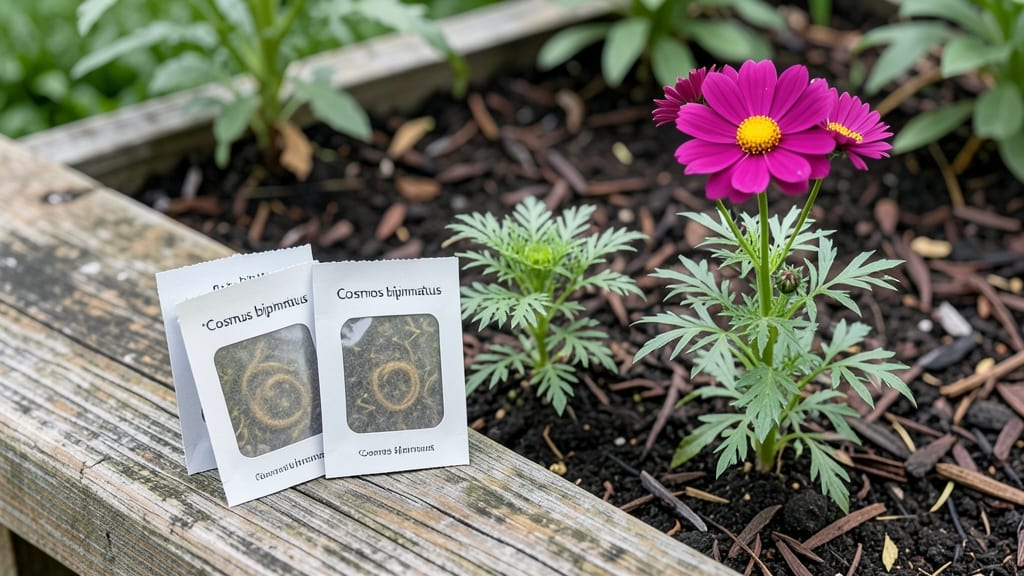
Succession planting flowers keeps your garden bursting with color from spring through frost, without ever looking sparse. 🌸 I learned the hard way—my first garden had glorious blooms in May, then a sad, bare patch by July.
The fix? Staggering plantings so one variety fades just as another peaks, creating a seamless show.
This approach isn’t about complicated schedules—it’s about matching bloom times to your climate. Early spring gets cool-season annuals like pansies, followed by sweet alyssum in late spring, then cosmos and zinnias for summer’s heat.
Each group gets planted 3-4 weeks apart, ensuring continuous nectar for pollinators too. The key is spacing: leave room for new plants to fill gaps as old ones finish.
You’ll end up with a garden that looks professionally designed, not just in peak season. Imagine walking past in August and seeing zinnias still fresh where the snapdragons retired weeks ago.
The color shifts naturally—deep purples giving way to sunny yellows, then soft pinks—while maintaining that lush, thriving look gardeners envy. Even beginners can nail this with a simple planting calendar.
Common mistakes? Overcrowding new plants or ignoring bloom duration. The fix is simple: track each variety’s days-to-bloom and plant in reverse order. Start with late-season performers first, then work backward. That way, your garden stays vibrant from first frost to last, with zero gaps—and zero regrets.
📚 In This Guide
- What you need
- Instructions
- Tips and common mistakes
- Wrapping up and next steps
What you need
- ● Flower seeds or seedlings: Choose fast-growing annuals (e.g., zinnias, marigolds, cosmos) and biennials (e.g., sweet william, snapdragons). Aim for 3–5 varieties with staggered bloom times (early, mid, late season).
- ● Well-draining potting mix or garden soil: 1–2 cubic yards (for in-ground planting) or 10–20 bags (for containers). Amend with compost for nutrients.
- ● Organic fertilizer: Balanced (10-10-10) or bloom-specific (e.g., 5-10-10) for vibrant flowers. 1–2 lbs per 100 sq ft.
- ● Mulch: 2–3 inches of straw, shredded leaves, or pine needles to retain moisture and suppress weeds.
- ● Hand trowel or transplanting spade (for precision planting).
- ● Garden gloves (1 pair) to protect your hands.
- ● Watering can or hose with adjustable nozzle (gentle stream for seedlings).
- ● Measuring tape or ruler (to space plants 6–24 inches apart, depending on variety).
- ● Pruners or scissors (for deadheading spent blooms).
- ● Seed-starting trays (if sowing indoors 4–6 weeks before last frost).
- ● Row covers or shade cloth (to protect young seedlings from pests or heat).
- ● Plant markers (to track varieties and planting dates).
- ● Slow-release fertilizer spikes (for low-maintenance nutrition).
Step-by-Step guide to succession planting flowers for continuous color
Here's how to keep your garden blooming nonstop—no gaps, no guesswork, just vibrant flowers all season.
🌱 Step 1: Plan Your Flowering Timeline
Start by choosing flowers with staggered bloom times. Early bloomers like pansies or snapdragons (plant in early spring) set the stage, while mid-season favorites like marigolds or zinnias (plant in late spring) take over. Finish with late-season stars like cosmos or asters (plant in early summer) to carry the show through fall.
I like to map out a simple chart with bloom periods—this ensures each variety gets its moment in the sun without competition. For example, if your pansies fade by late May, your zinnias should be ready to burst into color by early June. This way, you never have a dull patch.
🪴 Step 2: Prepare Beds and Sow Seeds or Transplants
Clear the area of old plants and loosen the soil to a depth of 6-8 inches using the garden fork. Mix in the 2 bags of compost to enrich the soil—this gives your flowers the nutrients they need to thrive. For seeds, follow packet instructions for depth (usually ¼ inch for most annuals), but for transplants, dig holes just deep enough to cover the root ball.
Space plants according to their mature size—crowding leads to weak stems and fewer blooms. For example, marigolds need 12-18 inches apart, while pansies can sit 6-8 inches apart. Water deeply right after planting to settle the soil and encourage root growth.
☀️ Step 3: Water and Maintain for Continuous Blooms
Water newly planted flowers every 2-3 days until they establish roots, which usually takes 2-3 weeks. You'll know they're settled when the soil stays moist 1 inch below the surface between waterings. Mulch with the 1 bag of mulch to retain moisture and suppress weeds—this is especially important in hot weather when soil dries out fast.
Deadhead spent blooms regularly to encourage more flowers. For example, pinch off faded zinnias in the morning when the stems are still firm—this redirects energy to new buds. Fertilize lightly every 4-6 weeks with the 10-10-10 fertilizer to keep growth strong without burning tender roots.
⏰ Step 4: Time Your Second and Third Plantings
About 6-8 weeks after your first planting, it's time for the next round. If your early spring pansies are fading by late May, sow or transplant summer-blooming zinnias or cosmos in their place. These varieties thrive in warmer soil and won't compete with the early bloomers.
Repeat the process again in early July with late-season flowers like asters or black-eyed Susans. These hardy plants handle cooler fall temperatures and keep your garden lively until the first frost. I always mark my calendar with these dates to stay on track—skipping a planting means a gap in color.
✂️ Step 5: Extend the Season with Strategic Care
As summer winds down, protect late-season flowers from early frosts. Use the frost cloth on chilly nights to shield delicate blooms like asters. You'll know it's working when the flowers stay vibrant and stems remain upright—no wilting or browning.
Harvest a few blooms for indoor arrangements to enjoy the beauty indoors while the garden continues to thrive outside. This also encourages the plant to produce more flowers. By late fall, you'll have a stunning display of color that lasts until the first hard freeze—proof that succession planting works.
Tips & tricks for perfect succession planting
Here's what I've learned after years of keeping my garden blooming all season—these tricks turn good planting into showstopping results.
Visualize Your Bloom Calendar: Before you even dig, sketch a simple timeline of your garden's potential gaps. I use a whiteboard with columns for each month—mark when your pansies will fade (usually late May) and note which zinnias or cosmos will be ready to take over by early June. This visual map prevents those dreaded blank spots where nothing's flowering. Think of it as your garden's color insurance policy.
Soil Prep is Non-Negotiable: The 6-8 inch soil loosening in Step 2 isn't just about aeration—it's about creating a sponge-like environment that holds moisture and nutrients where roots can access them. I like to add an extra ½ inch of compost to the bottom of each planting hole for transplants, giving them a nutrient boost right where they need it most. This small upgrade makes all the difference in root establishment.
Deadheading Discipline: I can't stress this enough—pinching off those faded zinnias in the morning (as mentioned in Step 3) isn't just about looks. It's a biological hack that tells the plant, "Hey, I want more flowers, not seeds!" I set a timer on my phone for every 7 days to do a quick sweep through my garden. This simple habit can triple your bloom production over the season.
Calendar Marking System: For the 6-8 week and early July replanting windows in Step 4, I use colorful sticky notes on my calendar with emoji reminders ( for flowers, for frost dates). When I see that aster emoji approaching, I know it's time to start hardening off my late-season plants. This visual system has saved me from missing planting windows more times than I can count.
Pro Tips for Succession Planting Flowers
- Here's what I've learned after years of keeping my garden blooming all season—these tricks turn good planting into showstopping results.
- Visualize Your Bloom Calendar: Before you even dig, sketch a simple timeline of your garden's potential gaps.
- Soil Prep is Non-Negotiable: The 6-8 inch soil loosening in Step 2 isn't just about aeration—it's about creating a sponge-like environment that holds moisture and nutrients where roots can access them.
Frequently asked questions
Got questions about keeping your garden blooming nonstop? Here are answers to the most common queries about succession planting flowers—so you can enjoy vibrant color from spring to frost!
What does "succession planting flowers" even mean?
Succession planting is a gardening strategy where you stagger planting times to replace early-blooming flowers with late-season varieties. This ensures your garden never goes bare! For example, plant pansies in early spring, then swap them out for marigolds or zinnias as the weather warms. Think of it like a floral relay race—no gaps, just nonstop color!
When should I start my succession planting schedule?
Timing depends on your climate, but a general rule is to begin 6-8 weeks before your last frost date for cool-season flowers (like snapdragons or sweet alyssum). For warm-season blooms (e.g., sunflowers or cosmos), start 2-3 weeks after the last frost or when soil temps hit 60°F+. Pro tip: Use a planting calendar for your zone to avoid guesswork!
Can I succession plant annuals AND perennials together?
Pair short-lived annuals (like petunias) with perennials (e.g., coneflowers or black-eyed Susans) to create a low-maintenance hybrid garden. Plant annuals in front of perennials—they’ll fill gaps while the perennials establish. Just avoid overcrowding; perennials need space to spread. Example: Use calendulas as a spring annual, then let daylilies take over as they mature.
What if my flowers don’t bloom as expected after succession planting?
Several factors could be at play: overcrowding (thin seedlings), poor soil (amend with compost), or lack of sunlight (relocate if needed). Deadhead spent blooms regularly to encourage new flowers, and ensure each variety gets the right amount of water and nutrients. If pests or disease strike, isolate affected plants and treat with organic solutions like neem oil.
Are there low-maintenance flowers perfect for beginners?
Yes! Start with self-seeding annuals like cosmos or nasturtiums—they reseed themselves, reducing your workload. Marigolds and zinnias are also forgiving and thrive with minimal care. For perennials, try lavender or Russian sage; they’re drought-tolerant and come back year after year. Bonus: These picks often repel pests naturally!
How do I keep track of my planting schedule?
Use a gardening journal or digital tools like Gardenate or PlantNet to log planting dates, bloom times, and notes on each variety. Color-code by season or type for easy reference. Pro tip: Snap photos of your garden layout—it’s a visual reminder of what’s where!
Wrapping up and next steps
Succession planting flowers isn’t just a gardening trick—it’s your secret weapon for a nonstop parade of color that keeps your garden vibrant from spring to frost. By timing plantings right and choosing the perfect blooms, you’ll eliminate gaps and create a lush, ever-changing display with minimal extra work. 🌸
Ready to put your new skills to the test? Start small—pick one bed or container this season—and let your confidence (and blooms!) grow. Before you know it, you’ll be swapping out tired flowers like a pro, turning every corner of your garden into a season-long masterpiece.