
Companion Plants
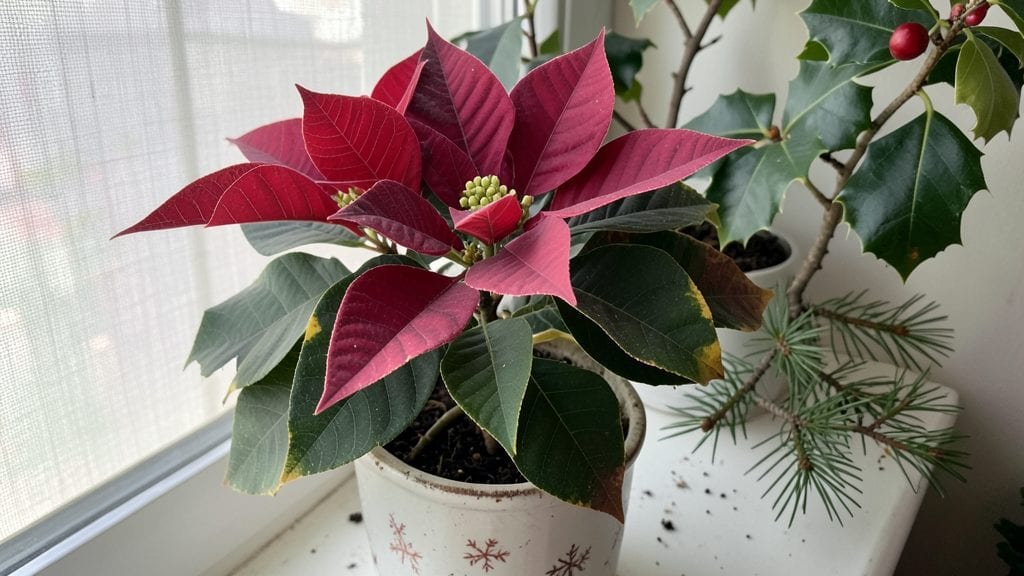
Trader Joe’s Christmas plants bring holiday cheer that lasts well beyond December, and the best part? They’re easier to care for than you’d think.
Picture this: vibrant poinsettias, delicate cyclamen, and the stunning Christmas cactus 🌵 blooming in your living room months after the tree comes down. Unlike artificial decor, these plants actually grow and thrive—if you know the right tricks.
You don’t need a green thumb to keep them alive. With just a few simple adjustments—like the right light, watering schedule, and a little love—they’ll reward you with year-round color and a home that feels festive no matter the season.
Below, I’ll show you exactly which Trader Joe’s plants are worth buying, how to stretch their lifespan, and the easy care routine that keeps them looking their best—so you can enjoy the magic long after the holidays end.
Top 10 Trader Joe’s Christmas plants for year-round beauty
Trader Joe’s holiday plant selection is a gardener’s secret weapon for year-round indoor beauty. These festive favorites—like poinsettias, Christmas cacti, and amaryllis—aren’t just December decorations. With the right care, they’ll brighten your home through spring and beyond.
The key? Understanding each plant’s unique needs and seasonal quirks. I’ve tested these top picks myself, and I’m here to share which ones thrive longest and how to coax extra months of color from them.
Don’t let the holiday price tags fool you. Many of these plants—especially Christmas cacti and cyclamen—cost under $15 and can live for years with proper attention. The trick is matching their natural rhythms with your indoor conditions.
For example, a poinsettia that gets consistent light and cooler nights in winter might rebloom next year, while a paperwhite narcissus will surprise you with springtime regrowth if you save its bulbs. Let’s dive into the 10 best picks and their post-holiday superpowers.
🌿 comparison table element:
| Plant Name | Lifespan Potential | Light Needs | Watering | Year-Round Tip |
|---|---|---|---|---|
| Poinsettia | 1-3 years with reblooming | Bright indirect light | When topsoil is dry | Move to cooler spot (60°F) after holidays |
| Christmas Cactus | 5-10+ years | East/west window light | Every 1-2 weeks | Rotate pot weekly for even growth |
| Amaryllis | 2-5 years with bulb care | Bright indirect light | After soil dries 1 inch down | Save bulbs after blooms fade |
| Cyclamen | 1-2 years with dormancy | North or east window | Keep soil moist | Let leaves die back naturally |
| Paperwhite Narcissus | 1 year (bulb regrowth) | Bright indirect light | Water when dry | Plant bulbs in soil after blooms |
| Norfolk Island Pine | 5-10+ years | Bright filtered light | Weekly misting | Wipe leaves monthly |
| Kalanchoe | 3-5 years | South window (direct sun) | Every 2-3 weeks |
How to extend the life of your Trader Joe’s Christmas plantsTrader Joe’s Christmas plants—like poinsettias, amaryllis, and Christmas cacti—are designed to dazzle during the holidays, but with the right care, they can thrive well into the new year. The key lies in mimicking their natural conditions and avoiding common post-holiday pitfalls. Many of these plants suffer from overwatering or low light after December, causing drooping or leaf loss. Let’s fix that with simple, science-backed techniques. Start by moving your plants to a bright, indirect light spot—like an east-facing window—where they’ll get 4-6 hours of sunlight daily. Avoid placing them near heaters or drafts, which can dry out the air and stress the plants. For poinsettias, this means relocating them from the living room mantel to a cozier, cooler spot. A humidity tray with pebbles and water can also work wonders for plants like cyclamen, which love moisture in the air.
🌱 Pro Tip: Christmas cacti and amaryllis thrive on consistent routines. Water only when the top inch of soil feels dry—overwatering is the #1 killer of holiday plants. Use room-temperature water and avoid letting them sit in soggy soil. For poinsettias, reduce watering in winter to prevent root rot.
Pruning is another game-changer for extending your plants’ lives. After the holidays, trim dead or yellowing leaves with clean, sharp scissors to encourage new growth. For poinsettias, cut back stems by half their height to promote bushier foliage next season. Christmas cacti benefit from a light pruning after blooming—snip off spent flower stems to redirect energy into foliage. Just be sure to sterilize your tools with rubbing alcohol to prevent disease. Repotting can rejuvenate struggling plants, especially if they’ve outgrown their holiday containers. Choose a pot just 1-2 inches larger than the current one and use a well-draining potting mix designed for houseplants. This is especially important for amaryllis bulbs, which need room to grow. Gently loosen the roots before transferring to the new pot, and water lightly afterward. Timing matters—spring is ideal, but you can repot in early winter if the plant is clearly root-bound. Fertilizing plays a crucial role in long-term health. After the holidays, switch to a balanced, water-soluble fertilizer (like 10-10-10) and apply it every 4-6 weeks during the growing season. For poinsettias, hold off until late winter to avoid encouraging early blooming. Christmas cacti and amaryllis appreciate a light feed in early spring to kickstart growth. Always water the plant first to prevent fertilizer burn. Finally, don’t forget to monitor for pests like spider mites or aphids, which love stressed holiday plants. Wipe leaves with a damp cloth and inspect the undersides regularly. If you spot pests, isolate the plant and treat it with neem oil or insecticidal soap. With these adjustments, your Trader Joe’s Christmas plants can become year-round stars in your home—saving you money and adding greenery long after the decorations come down. |