
Companion Plants
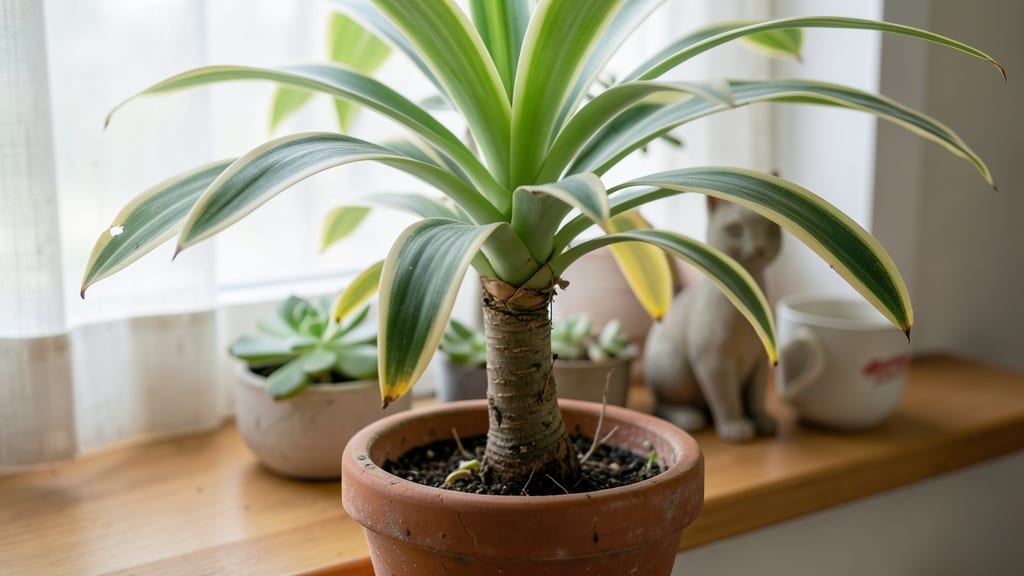
Live forever plants aren’t just survivors—they’re the ultimate low-maintenance statement pieces for any garden. 🌿 I’ve grown them for years, and they’ve never once complained about my forgetfulness. These succulents thrive on neglect, soaking up sunlight while I’m busy with other projects.
Their secret lies in the soil: a gritty mix that drains fast, mimicking their native rocky habitats. Water them only when the soil is bone-dry, then give them a deep drink—no weekly watering required.
In zones 9–11, they’ll grow year-round, while cooler climates keep them as potted treasures on patios. Propagation? Just snap off a leaf, let it callus, and watch roots sprout in weeks.
What you end up with is a plant that grows slower than a glacier but lives longer than most of us. Their thick, waxy leaves resist pests, and their offsets multiply like tiny green clones.
The mature plants develop stunning textures—some look like crinkled paper, others like smooth jade, all with that quiet resilience that makes them feel like living good luck charms.
Here’s the best part: they’re foolproof for beginners but still impressive enough to wow experienced gardeners. Whether you’re filling a sunny window or a desert-inspired border, these plants will outlast every trendy annual you’ve ever planted. Let’s get them growing!
📚 In This Guide
- What you need
- Instructions
- Tips and common mistakes
- Wrapping up and next steps
What you need
- ● Live Forever Plants: 3–5 nursery-grown plants (6–12 inches tall) or seeds (if starting from scratch). Choose healthy specimens with vibrant silver foliage.
- ● Well-draining soil: 1–2 bags of cactus or succulent mix (or amend garden soil with perlite/pumice for drainage). Aim for 10–20 gallons depending on your setup.
- ○ Containers (optional but helpful): 3–5 6–8 inch pots with drainage holes (terracotta or fabric pots work best).
- ● OR a large raised bed (3’x3’) if planting outdoors.
- ● Sunlight access: A south- or west-facing window (6+ hours of sunlight daily) or a full-sun outdoor spot.
- ● Watering can or hose: With a gentle spray nozzle to avoid displacing soil.
- ● Pruning shears: Bypass pruners (sharp, clean, and sterilized with rubbing alcohol).
- ○ Gloves (optional): Lightweight gardening gloves to protect hands from mildly irritating sap.
- ○ Fertilizer (optional): A balanced, water-soluble fertilizer (10-10-10) or slow-release granules for occasional feeding (every 4–6 weeks in growing season).
- ● 1–2 tbsp per plant or container.
- ○ Mulch (optional): 1–2 inches of gravel or pebbles to retain moisture and deter weeds (skip if using containers).
- ● Pest control (rare but handy): Neem oil spray or insecticidal soap (for aphids or spider mites).
- ● 🌡️ Temperature: Thrives in USDA Zones 7–11 (or indoors with 50–75°F temps). Avoid frost!
- ● ✨ Zero-fuss pruning: Snip leggy stems anytime to encourage bushiness—no schedule needed!
- ● 💧 Watering hack: Let soil dry completely between waterings (overwatering = root rot!).
Instructions for cultivating live forever plants with minimal pruning
Here's how to keep these drought-resistant darlings thriving with almost no effort.
🌱 Step 1: Choose the Right Location for Sun and Soil
Live forever plants (Dudleya spp.) crave full sun—at least 6-8 hours daily—and well-draining soil. I always place mine in south-facing spots where they get morning light and afternoon warmth. The soil must drain fast; these plants rot if their roots stay soggy.
Amend heavy soil with coarse sand or gravel (about 20% of the mix) to improve drainage. If planting in containers, use a cactus/succulent blend—never regular potting mix. You'll know the spot is right when leaves stay plump and vibrant, not shriveled or mushy.
🪴 Step 2: Plant Correctly for Long-Term Stability
Dig holes twice as wide as the root ball but only as deep as the container held the plant. This prevents burying the base, which causes rot. Gently loosen roots if they're circling—live forever plants hate being root-bound.
Space plants 12-18 inches apart for airflow. Crowding invites fungal issues, and these plants thrive on neglect. Water deeply once after planting to settle the soil, then let it dry completely. Overwatering now will drown them before they even establish.
☀️ Step 3: Water Sparingly and Only When Truly Dry
These plants store water in their leaves, so water only when the soil feels bone-dry—2-3 inches down. I stick my finger in; if it comes out clean, it's time. Water deeply until it runs out the drainage holes, then let excess drain away completely.
Mistakes here lead to mushy leaves or blackened stems. In winter, cut back to once every 4-6 weeks unless you're in a rainy climate. You'll see the difference: healthy plants have thick, upright leaves, while overwatered ones sag or develop soft spots.
✂️ Step 4: Prune Only When Necessary
Live forever plants rarely need pruning. Remove dead or damaged leaves at the base with sterilized scissors to prevent disease. If a stem flops over, trim it back to encourage bushier growth—but only if it's more than 30% of the plant's height.
Never prune in winter. These plants go semi-dormant, and cutting back then stresses them. Wait until spring, when new growth appears. You'll know it's time when you see tiny new leaves at the base—those are your signal to shape the plant lightly.
🌿 Step 5: Fertilize Lightly and Only in Growing Season
Use a balanced, water-soluble fertilizer (5-5-5 or 10-10-10) once in early spring and again in mid-summer. Dilute it to half-strength—these plants are sensitive to salt buildup. Water thoroughly before and after applying fertilizer to prevent root burn.
Skip fertilizer in fall and winter. Overfeeding then causes weak, leggy growth. You'll see the difference: fertilized plants have richer green leaves and more frequent blooms, while overfed ones look stretched and pale.
Tips & tricks for perfect live forever plants
Between us, these plants are practically foolproof—but here's what nobody tells you about keeping them thriving with minimal fuss.
Sunlight Secret: The 6-8 hours of full sun in Step 1 is non-negotiable, but here's the thing: morning sun is more important than afternoon. If you're in a hot climate, afternoon shade helps prevent leaf scorch. I've seen plants in full afternoon sun develop crispy edges while morning-only plants stay lush. Position yours to catch that gentle morning light first.
Soil Strategy: That 20% coarse sand or gravel mix in Step 1 is your insurance against root rot. For containers, I swear by adding a handful of perlite to the cactus/succulent blend—it creates even better drainage. The key is making sure water flows through like a sieve, not pools at the bottom. You'll know you've got it right when water runs out the drainage holes within seconds.
Watering Wisdom: The finger test in Step 3 is genius, but here's what I learned the hard way: don't water just because the top inch feels dry. You need to check that full 2-3 inches down. I used to water too often, and my plants developed those sad, mushy spots. Now I wait until my finger comes out completely clean—no soil clinging—and that's when I water deeply until it runs out the bottom. Winter's different though—once every 4-6 weeks is plenty unless you're in a rainy area.
Pruning Precision: When you see those tiny new leaves in spring (Step 4), that's your cue—but don't go overboard. I used to trim back more than 30% of the plant, thinking it would encourage bushier growth. Turns out, these plants prefer gentle shaping. Just remove those dead or damaged leaves at the base with clean scissors, and you'll keep them looking their best without stressing the plant.
Pro Tips for Live Forever Plants
- Between us, these plants are practically foolproof—but here's what nobody tells you about keeping them thriving with minimal fuss.
- Sunlight Secret: The 6-8 hours of full sun in Step 1 is non-negotiable, but here's the thing: morning sun is more important than afternoon.
- Soil Strategy: That 20% coarse sand or gravel mix in Step 1 is your insurance against root rot.
Frequently asked questions
How often do live forever plants need pruning?
Prune your live forever plants (like sedum or dusty miller) just once or twice a year—spring and late summer work best. Focus on shaping, removing dead growth, or trimming leggy stems. Over-pruning stresses them, so less is more!
Can live forever plants survive winter?
These hardy plants thrive in USDA Zones 3-10. In colder climates, mulch around the base for insulation. They’ll dormant in winter but bounce back in spring. No fuss, no fuss!
How much water do they really need?
Drought-tolerant is their middle name! Water deeply but infrequently—once a week in summer, less in winter. Overwatering is their #1 enemy. Let soil dry out between waterings to keep roots happy.
What if my live forever plant looks leggy or sparse?
Leggy growth? It’s often a sign of too much shade or overcrowding. Move to sunnier spot (6+ hours/day) and thin out dense areas. They’ll fill in faster with better airflow. Patience pays off!
Are there alternatives for small spaces or containers?
Yes! Try sedum ‘Dragon’s Blood’ (compact) or dusty miller in pots. Just ensure containers have drainage holes and use well-draining soil. Bonus: They’re perfect for rooftops or balconies!
Wrapping up and next steps
Discovering live forever plants is like unlocking a secret to effortless, year-round beauty—no green thumb required! These hardy companions thrive with minimal care, making them perfect for busy gardeners or beginners.
Whether you’re adding them to borders, containers, or rocky landscapes, their resilience and charm will keep your space vibrant without the fuss of pruning.
Ready to dive in? Start small—pick one variety, gather your supplies, and let nature do the rest. Your low-maintenance, ever-blooming oasis awaits! 🌿✨