
Planting
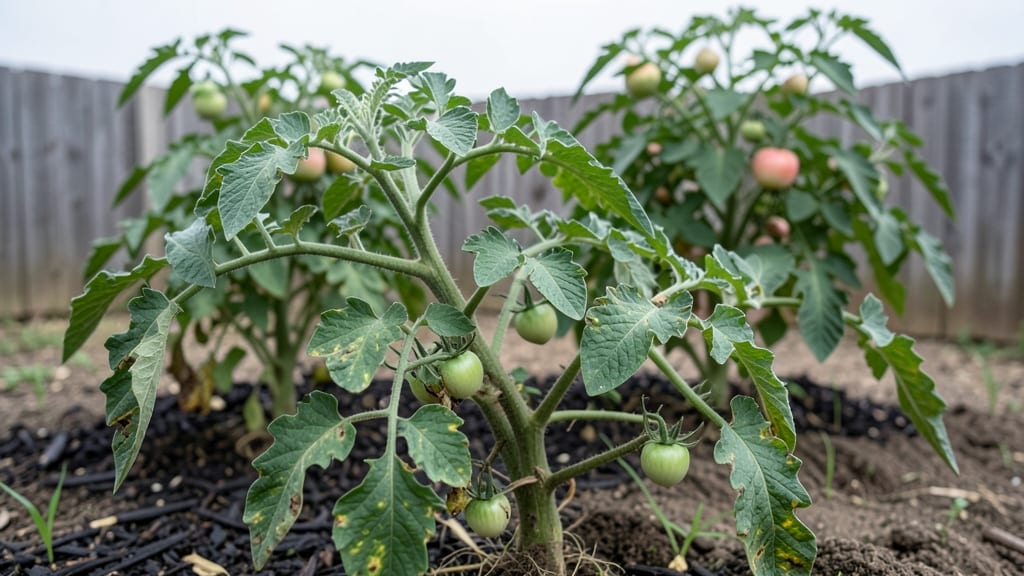
Spotting a tomato plant virus before it ruins your harvest can mean the difference between a bountiful crop and a disappointing one. 🌱 I’ve lost entire plants to silent infections that spread faster than you’d expect—yellowing leaves, stunted growth, and strange spots are often the first clues.
The key is catching these early, before they cripple your garden.
Most tomato viruses hitchhike on insects or contaminated tools, so prevention starts with clean hands, sterilized pruners, and removing infected plants immediately. Resistant varieties like ‘Defiant PhR’ or ‘Mountain Merit’ can also buy you time, but even the toughest plants need vigilance.
I’ve seen entire gardens wiped out because one plant was left too long.
When you spot trouble, act fast: prune infected leaves, trap pests with sticky cards, and rotate crops next season. Organic options like neem oil can help, but removal is the most reliable fix. A little attention now saves weeks of frustration later—and keeps your tomatoes thriving.
This isn’t just about saving plants; it’s about protecting your entire garden’s health. Once you learn the warning signs, you’ll spot them in minutes. Let’s turn your garden into a virus-free zone before the season gets away from you.
📚 In This Guide
- What you need
- Instructions
- Tips and common mistakes
- Wrapping up and next steps
What you need
- ● Hand lens or magnifying glass (10x magnification recommended) – for spotting tiny symptoms like mosaic patterns or stunted growth.
- ● Pruning shears (sterilized with rubbing alcohol) – to remove infected leaves or stems (1 pair).
- ● Garden gloves (nitrile or latex) – to avoid contaminating healthy plants (1 pair).
- ● Spray bottle (8 oz) – for applying neem oil or copper-based fungicides (1).
- ● pH testing kit – to check soil acidity (ideal range: 6.0–6.8 for tomatoes).
- ● Disposable plastic bags (for disposal of infected plant parts) – 5–10 bags.
- ● Neem oil (1%) – natural antiviral/fungicidal spray (16 oz bottle).
- ○ Copper fungicide (e.g., Copper Soap) – for systemic protection (optional, 16 oz).
- ● Compost or well-rotted manure – to boost plant immunity (5–10 gallons).
- ○ Beneficial nematodes (e.g., Steinernema carpocapsae) – targets soil-borne pests (optional, 1–2 million per acre).
- ● Tomato-resistant seed varieties (e.g., ‘Mountain Merit’ or ‘Defiant PhR’) – for future planting.
- ● Smartphone with plant ID app (e.g., PlantNet) – for cross-checking symptoms.
- ● UV flashlight – reveals fungal spores under blacklight.
- ● Journal/notebook – to track plant health and treatment dates.
Instructions for identifying and treating tomato plant viruses
Here's how to spot trouble early and take action before your plants decline.
🌿 Step 1: Inspect Leaves for Early Symptoms
Start by examining the undersides of leaves first—viruses often show up there before spreading. Look for yellowing or mottling (swirling patterns of light and dark green) on the youngest leaves. This is the classic sign of tomato mosaic virus or tobacco mosaic virus, two common culprits. Run your fingers gently over the leaf surface—rough, puckered areas can indicate cucumber mosaic virus.
Check the leaf veins too. If they appear stippled (tiny white or yellow dots) or yellowed, it could be tomato yellow leaf curl virus. This one spreads fast through aphids, so act quickly. I always start with the oldest leaves and work my way up—if the lower leaves are healthy but the new growth shows symptoms, you've caught it early.
🌱 Step 2: Examine Stems and Growth Habits
Viruses often stunt growth before other symptoms appear. Compare your plants to healthy neighbors—if stems are thinner than usual or leaves are smaller and fewer, that's a red flag. Some viruses, like tomato spotted wilt virus, cause dark brown or black spots on stems, especially near leaf nodes. Use a magnifying glass if needed; these spots can be tiny but destructive.
Watch for unusual curling of leaves upward or downward. This isn't just a nutrient issue—it's a classic virus symptom. If you see stunted flowers or misshapen fruit, it's already too late for that plant. The key is catching these signs before the plant starts looking generally "off." I check stems every 3-4 days during hot, humid weather when viruses spread fastest.
✂️ Step 3: Remove Infected Plants Immediately
If you confirm a virus, pull the entire plant—including roots—right away. Viruses don't spread through soil, but they can linger on tools, hands, and even water splashes. I double-bag the plant in a sealed plastic bag before tossing it in the trash. Never compost infected plants; the virus can survive and reinfect next season.
Clean your tools with 70% rubbing alcohol or a 10% bleach solution (1 part bleach to 9 parts water) to kill any virus particles. Wash your hands thoroughly too—viruses can spread through contaminated fingers. I also disinfect the pot or soil where the infected plant grew by baking it at 200°F for 30 minutes to sterilize it completely.
☀️ Step 4: Protect Remaining Plants
Isolate healthy tomato plants at least 10 feet away from where the infected plant grew. Viruses like tomato yellow leaf curl spread via aphids, so I treat nearby plants with neem oil spray (mix 1 tablespoon neem oil + 1 teaspoon mild soap per quart of water) to deter pests. Apply in the early morning or late evening when aphids are least active.
If your garden has whiteflies or aphids, act fast. These insects carry viruses, and a single infestation can wipe out an entire season. I also remove all weeds and volunteer tomato plants—they can harbor viruses silently. For extra protection, cover young plants with floating row covers until they're established. This blocks aphids while letting light and water through.
💧 Step 5: Prevent Future Outbreaks
Start by buying certified disease-free seeds or seedlings. Many nurseries sell virus-tested stock, and it's worth the investment. I also rotate crops—never plant tomatoes, peppers, or eggplants (all in the nightshade family) in the same spot two years in a row. Viruses can persist in soil for years.
Improve airflow in your garden by spacing plants properly (usually 18-24 inches apart for tomatoes). Crowded plants stay damp longer, giving viruses more opportunities to spread. I also mulch heavily with straw or grass clippings to keep soil moist but not soggy. Healthy plants resist viruses better, so I fertilize with compost tea every 2-3 weeks to boost immunity naturally.
Tips & tricks for identifying and treating tomato plant viruses
Early detection is everything when it comes to saving your tomato plants—here's how to spot trouble before it spreads.
Leaf Inspection Technique: In Step 1, when checking for yellowing or mottling, use a bright light source like a flashlight to see subtle patterns on the undersides of leaves. I've found that viruses often start on the newest growth, so begin your inspection at the top of the plant and work your way down. The key is catching these symptoms early—sometimes just a few days can make the difference between saving a plant and losing it completely.
Stem Examination Pro Tip: For Step 2, when examining stems, pay special attention to the leaf nodes where dark brown or black spots often appear first. I keep a small magnifying glass handy for this—those spots can be as small as a pinhead but are dead giveaways for tomato spotted wilt virus. Remember, the sooner you spot these signs, the better your chances of containing the outbreak before it spreads to other plants.
Disinfection Strategy: After removing infected plants in Step 3, don't skip the disinfection step. I've learned the hard way that viruses can linger on tools and hands. For the 200°F sterilization, I use my home oven on the lowest rack—place pots or soil in oven-safe containers and bake for the full 30 minutes. This heat treatment kills any lingering virus particles that might reinfect your garden next season.
Prevention Timing: In Step 5, when applying neem oil spray, timing matters just as much as the mixture itself. I've found that applying in the early morning or late evening gives the spray time to dry before the heat of the day, making it more effective against aphids. This simple timing adjustment can significantly reduce your risk of virus transmission through these pesky carriers.
Pro Tips for Tomato Plant Virus
- Early detection is everything when it comes to saving your tomato plants—here's how to spot trouble before it spreads.
- Leaf Inspection Technique: In Step 1, when checking for yellowing or mottling, use a bright light source like a flashlight to see subtle patterns on the undersides of leaves.
- Stem Examination Pro Tip: For Step 2, when examining stems, pay special attention to the leaf nodes where dark brown or black spots often appear first.
Frequently asked questions
Got questions about tomato plant viruses? You’re not alone—these sneaky pests can turn a thriving garden into a disappointment. Here are answers to the most common concerns to help you protect your harvest and keep your plants healthy.
What are the most common tomato plant viruses, and how do I spot them?
Tomato plants often face viruses like Tobacco Mosaic Virus (TMV), Cucumber Mosaic Virus (CMV), and Tomato Yellow Leaf Curl Virus (TYLCV). Look for mosaic patterns on leaves, stunted growth, yellowing, curling, or unusual spots. Some viruses may also cause deformed fruit or reduced yields. Early detection is key—remove infected plants immediately to prevent spread!
Can tomato plant viruses spread to other plants in my garden?
Many tomato viruses spread through contaminated tools, infected seeds or seedlings, or sap-sucking insects like aphids. To minimize risk, sterilize pruners, rotate crops, and inspect new plants before adding them to your garden. Avoid composting infected plant material—dispose of it in sealed bags instead.
How soon after infection will I see symptoms on my tomato plants?
Symptoms can appear as early as 7–14 days after infection, depending on the virus and plant health. Some viruses, like _TYLCV_, show up faster (within a week), while others, like _TMV_, may take longer. Monitor plants weekly for early signs, especially if you’ve had aphid activity or used infected soil.
Are there natural or chemical treatments to cure a tomato plant virus?
Unfortunately, there’s no cure for tomato plant viruses once they’ve taken hold. The best defense is prevention: use resistant varieties, row covers to block insects, and healthy soil. If infection occurs, remove and destroy the plant (don’t compost it!) and disinfect tools with rubbing alcohol. For severe outbreaks, consult a local extension service for localized advice.
Can I save my tomato harvest if my plants already have a virus?
If symptoms appear late in the season and only a few plants are affected, you might still harvest some fruit—but avoid eating infected produce (it could carry the virus). Focus on healthy plants and sanitize everything for next year’s garden. For a full harvest, start fresh with virus-free seedlings and strict hygiene practices.
Wrapping up and next steps
Protecting your tomato plants from viruses doesn’t have to be overwhelming—early detection and prevention are your best allies! 🌱 By staying vigilant, removing infected plants promptly, and practicing good garden hygiene, you can safeguard your harvest and keep your garden thriving. Now’s the time to act: inspect your plants regularly, strengthen their defenses, and share these tips with fellow gardeners to create a healthier growing community!