
Aphids
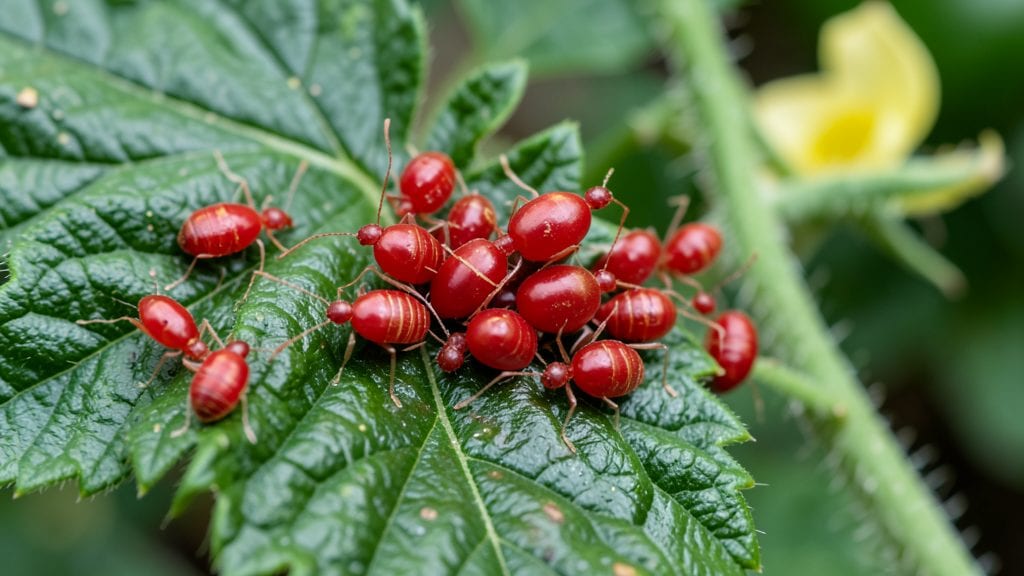
Red aphids on tomato plants can turn a thriving harvest into a sticky mess in days—unless you act fast. 🌱 I’ve seen these tiny red invaders wipe out entire plants, but the right organic spray stops them dead in their tracks.
The key is catching them early and using a solution that’s tough on aphids but harmless to your tomatoes and pollinators.
The worst part? These aphids multiply faster than weeds in spring. They cluster on new growth, leaving behind a shiny residue that stunts your plants.
But here’s the good news: a simple homemade spray with ingredients you likely already have—like dish soap and water—can knock them out in 24 hours. No harsh chemicals, no waiting weeks for results.
You’ll see the difference immediately: leaves stop curling, new growth stays vibrant, and those red pests vanish. The spray works on other garden pests too, so you’ll have a go-to remedy for future infestations.
Best of all, it’s safe to use right up until harvest day—no more worrying about residue on your tomatoes.
Works for greenhouse tomatoes, container plants, or backyard beds. Let’s get your plants back on track before the aphids take over completely.
Root Causes of Tomato Plant Infestations
Red aphids—those tiny, crimson pests—don’t just appear on tomato plants out of nowhere. Their arrival is usually a mix of environmental cues, plant health signals, and even human activity.
Understanding why they show up is the first step to stopping them before they ruin your harvest. Let’s break down the key triggers behind these unwelcome visitors.
Healthy tomato plants are naturally resistant to many pests, but when they’re struggling, red aphids see them as an all-you-can-eat buffet. Here’s what makes your plants vulnerable:
- Nutrient Deficiencies: Aphids love plants that are starving for nitrogen or phosphorus. If your tomatoes look pale, stunted, or have yellowing leaves (a classic sign of nitrogen deficiency), you’re basically hanging a "Welcome" sign for them. Fix it: Use a balanced organic fertilizer (like fish emulsion or compost tea) to boost plant resilience.
- Overcrowding: When tomato plants compete for sunlight, air circulation, and water, they weaken. Aphids thrive in dense foliage where they can hide and spread undetected. Fix it: Prune regularly to improve airflow and space plants 18–24 inches apart.
- Water Stress: Both overwatering (which causes root rot) and underwatering (which stresses the plant) make tomatoes easy targets. Aphids prefer plants that are either soggy or parched. Fix it: Water deeply at the base once or twice a week, depending on your climate, and avoid wetting leaves.
Red aphids aren’t picky—they’ll colonize almost any plant, but they have a few favorite conditions:
- Warmth: These pests multiply fastest in temperatures between 60–80°F (15–27°C). If your garden is a cozy, sun-drenched haven, you’re rolling out the red carpet for them. Fix it: Use row covers or shade cloth in early spring to delay their arrival.
- Sheltered Foliage: Aphids hide in the crevices of leaves, stems, and even the undersides of tomato suckers. If your plants are bushy or unpruned, they’ll have a hard time finding them—and so will beneficial predators like ladybugs. Fix it: Inspect leaves daily (especially the undersides) and remove heavily infested growth.
- Nearby Host Plants: Tomato plants aren’t their only target. Aphids often migrate from weeds, clover, or other garden crops (like peppers or basil). If these plants are nearby, your tomatoes become a secondary snack spot. Fix it: Remove weed hosts and interplant tomatoes with aphid-repelling herbs like mint, dill, or marigolds.
Red aphids can show up in two ways: as overwintering survivors or as new migrants. Here’s how each plays out:
| Cause | How It Happens | Actionable Fix |
|---|---|---|
| 🌱 Overwintering Eggs | Many aphid species lay eggs on perennial plants, weeds, or even garden tools in fall. When temperatures rise, these eggs hatch and seek out fresh hosts—like your tomatoes. | Clean up garden debris in late fall and store tools in sealed bags. Consider neem oil sprays in early spring to disrupt egg hatching. |
| 🐝 Wind or Insect Migration | Aphids can hitch rides on wind currents, bees, or other insects to new plants. If a neighbor’s garden is infested, your tomatoes might get "gifted" with stowaways. | Set up yellow sticky traps near your plants to monitor early arrivals. If aphids appear suddenly, check nearby plants for sources. |
| 🌿 Ant "Farming" | Some ants protect and "farm" aphids in exchange for their honeydew secretions. If you see ants crawling on your tomatoes, they might be herding aphids. | Disrupt ant trails with diatomaceous earth or soapy water sprays. Plant mint or cloves near the base to deter them naturally. |
Sometimes, well-meaning gardening practices accidentally create the perfect aphid paradise. Here’s what you might be doing wrong:
- Over-Fertilizing with Nitrogen: Too much nitrogen (especially synthetic fertilizers) leads to soft, sappy growth that aphids adore. Fix it: Switch to a balanced organic fertilizer (like 5-5-5 or compost) and avoid heavy nitrogen spikes.
- Ignoring Beneficial Predators: Ladybugs, lacewings, and parasitic wasps hunt aphids—but if your garden lacks diversity, these helpers won’t stick around. Fix it: Plant native flowers (like alyssum or dill) to attract their prey.
- Using Chemical Pesticides: Harsh sprays kill both pests and their natural enemies, leaving aphids unchecked. Fix it: Opt for organic sprays like neem oil or insecticidal soap that target aphids without harming beneficial insects.
💡 Pro Tip: The key to stopping red aphids is prevention. By addressing plant stress, monitoring environmental conditions, and encouraging natural predators, you can make your tomato plants far less appealing to these pests. Once they arrive, act fast—your harvest depends on it!
Quick Fixes for Tomato Plant Pests
Red aphids on your tomato plants aren’t just a nuisance—they can sap the life out of your harvest faster than you think. But don’t reach for harsh chemicals just yet! With the right approach, you can banish these tiny invaders and protect your plants naturally, safely, and effectively.
Below, we’ll break down targeted solutions based on the root cause of your infestation, plus prevention tips to keep your tomato plants thriving.
If your tomato plants are weak, overcrowded, or nutrient-deficient, they’re like an all-you-can-eat buffet for aphids. Strengthen them first!
🍳 Step 1: Prune for Better Airflow
Aphids love hiding in dense foliage where they’re protected and can multiply unchecked.
- Trim back any yellowing, damaged, or overly crowded leaves.
- Space plants at least 18–24 inches apart to improve airflow and sunlight penetration.
- Remove heavily infested leaves (bag and dispose of them—do not compost!).
👨🍳 Step 2: Feed Them Right Healthy plants repel pests naturally.
Give your tomatoes a boost with: - Balanced organic fertilizer (5-5-5 or 10-10-10) to encourage strong growth. - Compost or worm castings worked into the soil for slow-release nutrients. - Epsom salt spray (1 tbsp per gallon of water) to boost magnesium—aphids hate stressed plants!
🌡️ Pro Tip:
Water deeply at the base (not overhead) to prevent fungal diseases and keep foliage dry—aphids love damp leaves!
If the pests are already there, act fast with these organic, no-fuss methods that work in hours.
🔪 Method 1: The Power of Soap & Water (Instant Kill)
A homemade insecticidal soap is your first line of defense—non-toxic, fast-acting, and cheap! 1. Mix 1 tbsp mild liquid soap (like Castile soap) + 1 quart water in a spray bottle.
- Spray directly on aphids (especially undersides of leaves) until glistening wet.
- Repeat every 3–4 days until gone. (Aphids lay eggs, so persistence is key!)
🥘 Method 2: Neem Oil (The Ultimate Pest Repellent)
Neem oil disrupts aphid life cycles and deters future infestations. 1. Mix 1 tsp neem oil + 1 tsp mild soap + 1 quart water.
- Shake well and spray evenly on plants (including stems and undersides).
- Reapply every 7–10 days for best results.
✨ Method 3: Ladybugs & Lacewings (Nature’s Cleanup Crew)
Instead of fighting aphids alone, enlist their predators!
- Buy ladybug larvae or lacewing eggs online or from garden centers.
- Release them early in the morning (they’re sluggish in heat).
- Avoid pesticides—these bugs will starve if chemicals are present!
The best defense? Stop them before they start!
| Prevention Tip | How to Do It |
|---|---|
| Plant Companion Flowers | Interplant marigolds, basil, or nasturtiums—aphids hate their strong scents! |
| Sticky Traps | Hang yellow sticky traps near plants to catch flying aphids. |
| Copper Tape Barrier | Wrap copper tape around pots or stakes—aphids avoid copper! |
| Regular Inspections | Check undersides of leaves weekly—catch infestations early! |
| Rotate Crops | Avoid planting tomatoes in the same spot yearly to break pest cycles. |
- Don’t use bleach or harsh chemicals—they’ll kill beneficial insects too!
- Avoid overwatering—aphids thrive in damp conditions.
- Don’t ignore ant trails—ants farm aphids for honeydew! Use diatomaceous earth near the base to block them.
With these targeted fixes, your tomato plants will bounce back stronger—and your harvest will stay aphid-free! 🍅💪 Which method will you try first?
Frequently asked questions
Are red aphids different from green aphids on tomato plants?
Yes! While both species damage plants, red aphids (like Macrosiphum euphorbiae) have a distinct crimson hue and prefer tomato foliage over green aphids (common on peppers). Red aphids produce more honeydew, leading to sooty mold faster. The good news? They respond equally well to neem oil or insecticidal soap.
How quickly will my tomato plants recover after treating red aphids?
You’ll see visible improvement in 24–48 hours if you use soap spray or neem oil, but full recovery depends on plant health. New growth should appear within 5–7 days. For severe cases, combine pruning (to remove damaged leaves) with weekly sprays for 2 weeks to prevent reinfestation.
Can red aphids survive winter in my garden?
Many red aphids lay overwintering eggs on weeds, garden tools, or plant debris. These eggs hatch in spring when temperatures rise above 50°F (10°C). To break the cycle, clean up garden debris in fall and apply neem oil in early spring to disrupt egg hatching.
Will homemade sprays (like soap water) harm my tomato plants?
No, when used correctly! Use mild liquid soap (like Castile) and avoid harsh detergents. Test on a small leaf first, and always spray early in the morning to prevent leaf burn. The key is thorough coverage—focus on undersides of leaves where aphids hide.
Are red aphids dangerous to eat if they end up on my tomatoes?
No need to worry! While aphids aren’t toxic, their honeydew can attract mold. Always wash tomatoes thoroughly before eating. The real risk is to your plants—aphids weaken them, reducing yield and quality. Treat infestations promptly to protect both harvest and health.