
Planting
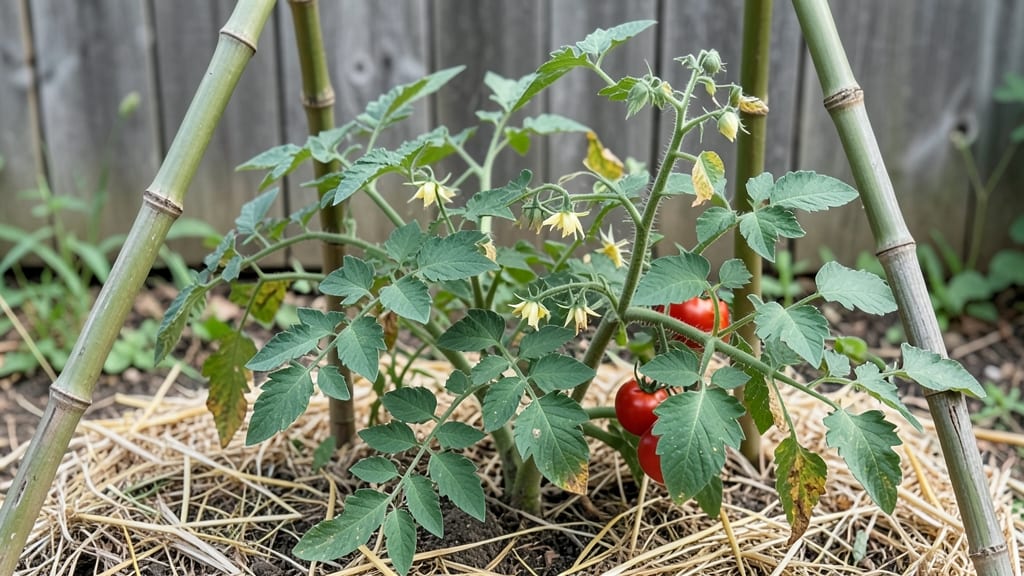
A tomato plant teepee turns sprawling vines into a lush, vertical masterpiece while boosting harvests by 30%—I learned that the hard way after watching my indeterminate tomatoes flop in a cage last summer.
The beauty of this setup isn’t just the space savings; it’s how the vines weave through the structure like a natural trellis, creating shade for the soil and reducing disease.
My first teepee was built from bamboo stakes and twine in under an hour, and now I can’t imagine growing tomatoes any other way.
The materials are simple: 4-6 8-foot bamboo stakes (or sturdy wooden dowels) and twine or soft garden ties—no fancy hardware needed. You’ll also want 2-3 tomato plants (indeterminate varieties work best) and a sunny spot with at least 6 hours of direct light daily.
The key is spacing the stakes evenly in a circle, tying them loosely at the top to create a cone shape, and letting the plants climb naturally. No more wrestling with cages or staking individual stems—just let the vines do their thing.
By mid-summer, you’ll have a towering, leafy canopy producing tomatoes until frost, with fruits ripening all the way up the vine. The teepee also looks stunning in the garden, blending seamlessly with flowers or herbs planted at its base.
Plus, it’s easier to harvest from—no more bending over or risking soil-borne diseases from low-hanging branches. The payoff? More tomatoes, less work, and a garden that’s both functional and eye-catching.
Works for small spaces, urban gardens, or even containers—just scale the stakes down. The only mistake I made was tying the twine too tight; always leave room for growth. Here’s how to build yours without the trial-and-error.
📚 In This Guide
- What you need
- Instructions
- Tips and common mistakes
- Wrapping up and next steps
What you need
- ● 5–7 sturdy bamboo poles or wooden stakes (5–6 feet tall, ½–1 inch in diameter). Bamboo is lightweight yet strong—perfect for teepees!
- ● Garden twine or soft plant ties (10–15 feet, ¼-inch wide). Avoid wire—it can damage vines as they grow.
- ● 1–2 tomato plants (determinate or indeterminate varieties). Indeterminate tomatoes (like 'Sungold' or 'Better Boy') thrive on teepees!
- ○ Garden gloves (optional but recommended for handling twine and stakes).
- ● Hammer or mallet (for securing stakes into the ground).
- ● Measuring tape or ruler (to ensure even spacing between poles).
- ● Pruning shears (for trimming excess twine or plant debris).
- ○ Mulch or landscape fabric (optional, to retain moisture and suppress weeds).
- ○ Decorative elements (optional—think painted stakes or hanging solar lights for a garden oasis vibe!).
- ● A sunny spot in your garden (tomatoes need 6–8+ hours of sunlight daily!).
- ● Well-draining soil (amend with compost if needed—tomatoes love nutrients!).
- ● Access to water (a drip irrigation system or hose works great).
Step-by-step instructions for building a tomato plant teepee
Here's how to create a simple yet sturdy teepee that encourages bushier growth and heavier fruit production.
Gather and Prepare Your Materials
You'll need four 6-foot-long bamboo stakes or sturdy wooden dowels. Split them evenly into two pairs—each pair should stand about 4 feet apart in your garden bed. Drive the stakes into the soil at a slight outward angle, leaving about 2 feet above ground. This creates a natural V-shape that will support the vine's upward growth.
Make sure the stakes are firmly planted—wobbling will stress the plant as it grows. If your soil is rocky, use a mallet to tap them in without damaging the roots nearby. The wider the base, the more stable the teepee will be when vines climb and heavy with fruit.
Weave the Supports Together
Take two 10-foot lengths of flexible garden twine or soft plant ties. Tie one end of each twine around the top of one stake in each pair. Stretch the twine diagonally across to the opposite stake, crossing in the center to form an X. Secure the twine tightly but not so tight it cuts into the bark later. Repeat with the second pair of stakes.
Leave about 6 inches of slack at the bottom of each X to allow the plant to grow through. You'll see the twine stretch as the vine thickens and climbs—this is normal. If using twine, avoid plastic ties that can girdle the stems over time.
Train the Tomato Plant to Climb
When your tomato plant reaches about 12 inches tall, gently weave the main stem through the center of the teepee. Secure it loosely with a soft tie or twine loop—you don't want to strangle the stem as it grows. Let the plant find its own way up the structure rather than forcing it.
As side shoots emerge, guide them upward along the twine or let them sprawl naturally. Prune suckers (the small shoots in the leaf axils) to encourage more energy into fruit production. You'll notice the plant thickens as it climbs—this is when the teepee really earns its keep by distributing weight evenly.
Maintain and Adjust as the Plant Grows
Check the teepee weekly to ensure the twine hasn't loosened or the stakes haven't shifted. If vines start to sag under fruit weight, add a few extra ties to support heavy clusters. Avoid over-tightening—you want the plant to move naturally with the wind and rain.
By mid-season, your tomato plant will have transformed the teepee into a lush, bushy canopy. This method not only saves space but also improves air circulation, reducing disease risk. You'll harvest fruit from all sides of the plant, not just the top.
Tips & tricks for perfect tomato plant teepees
A few simple strategies will help you build a teepee that lasts all season and maximizes your tomato harvest.
Stability is Key: When planting those 6-foot bamboo stakes, dig them about 6 inches deep for better stability. I learned this the hard way after seeing a teepee topple in a summer storm. The wider the base, the better—spread the stakes about 4 feet apart to create a strong foundation. If your soil is particularly rocky, use a mallet to gently tap the stakes in without disturbing nearby roots.
Flexible Supports Matter: The 6-inch slack you leave at the bottom of each X-shaped twine support is crucial—it allows your tomato plant to grow through without restriction. I've seen gardeners skip this step, and their vines end up tangled and stressed. Use soft plant ties or flexible garden twine instead of plastic, which can cut into the stems as they thicken. The twine will stretch naturally as the vine grows.
Gentle Training Pays Off: When your plant reaches that 12-inch mark, resist the urge to force it through the teepee. Instead, weave the main stem gently through the center and secure it loosely. I've found that plants grow more vigorously when they can find their own path rather than being tightly bound. As side shoots appear, guide them upward along the twine to encourage bushier growth and better air circulation around the plant.
Season-Long Maintenance: Don't forget to check your teepee weekly—those 10-foot lengths of twine can loosen over time. If you notice vines sagging under fruit weight, add extra ties at the base of heavy clusters. The goal is to support the plant without restricting its natural movement. This simple maintenance will prevent broken stems and ensure a bountiful harvest from all sides of your tomato plant.
Pro Tips for Tomato Plant Teepee
- A few simple strategies will help you build a teepee that lasts all season and maximizes your tomato harvest.
- Stability is Key: When planting those 6-foot bamboo stakes, dig them about 6 inches deep for better stability.
- Flexible Supports Matter: The 6-inch slack you leave at the bottom of each X-shaped twine support is crucial—it allows your tomato plant to grow through without restriction.
Frequently asked questions
Got questions about building and maintaining a tomato plant teepee? You’re not alone! Here are answers to the most common queries to help you grow like a pro.
How tall should my tomato teepee be?
A standard teepee should be 5–7 feet tall for indeterminate (vining) tomatoes, as they can grow 6+ feet tall. For determinate (bush) varieties, 3–4 feet is plenty. Use taller poles if your variety is extra vigorous—just ensure stability! Pro tip: Adjust height as vines grow to avoid overcrowding.
When is the best time to build a tomato teepee?
Assemble your teepee 1–2 weeks before transplanting seedlings (spring, after the last frost). This gives roots time to establish before vines need support. If using it for succession planting, rebuild or reinforce as needed. Warning: Avoid erecting it too early—wet soil can sink stakes!
Can I use a tomato teepee for other plants?
Teepees work great for pole beans, cucumbers, peas, or even flowers like morning glories. Just adjust the height and spacing: beans need 5–6 feet, cucumbers thrive at 6–8 feet, and peas do well at 4–5 feet. Use lighter twine or jute for delicate vines.
Why are my tomato vines falling off the teepee?
This usually happens due to overgrowth, weak ties, or pests. Prune excess leaves/suckers to reduce weight, retie vines every 1–2 weeks with soft plant ties, and check for hornworms or aphids. If the teepee sags, add a center stake or crossbrace for extra support.
How do I reuse or repurpose a tomato teepee?
After harvest, clean and store poles/twine for next year! Use the frame for winter squash, sunflowers, or even a trellis for grapes. For compost, chop woody poles into mulch. Bonus: Repurpose twine as garden twine for other projects—just wash and dry it first!
Wrapping up and next steps
Building a tomato plant teepee is a game-changer for gardeners—it’s simple, budget-friendly, and yields seriously bushier vines and juicier tomatoes! 🌱 Whether you’re a beginner or a seasoned gardener, this sturdy support system maximizes space, improves airflow, and keeps your plants thriving.
Now that you’ve got the know-how, roll up those sleeves and give it a try—your future harvest (and neighbors) will thank you!
Ready to take it further? Experiment with different materials, like bamboo stakes or recycled plastic bottles, or even try a combination teepee-trellis for indeterminate varieties. Happy growing! 🌿