
Planting
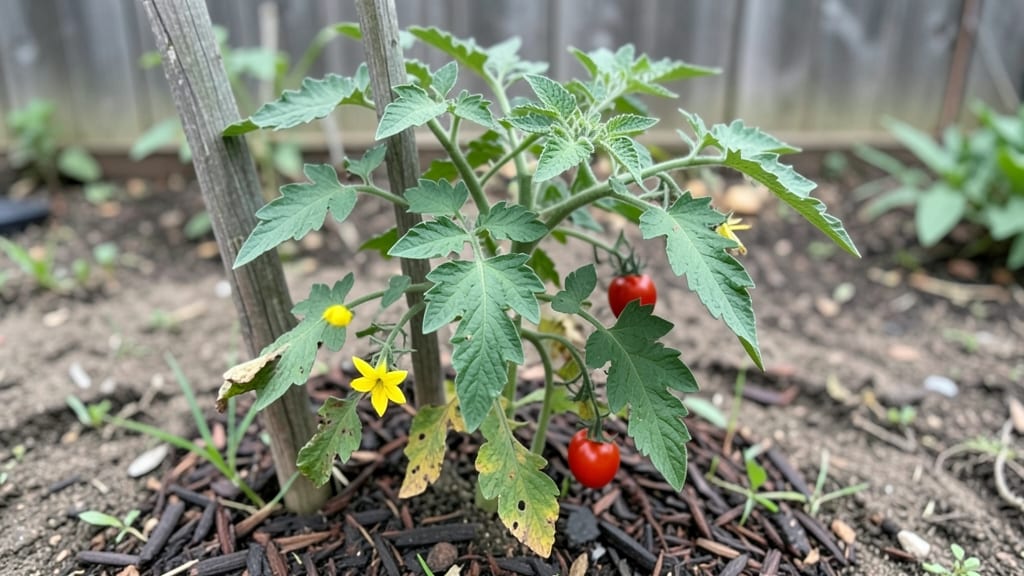
The Tigerella tomato plant delivers a drought-resistant harvest that keeps producing even when summer gets brutal. 🌿 I fell for its deep red, striped fruits and the fact that it thrives when other tomatoes wilt—now I grow them every season.
Their sweet-tart flavor and disease resistance make them a standout for containers or small spaces.
This variety loves full sun but handles heat better than most tomatoes. Plant after your last frost in well-draining soil mixed with compost, and space plants about 2 feet apart.
The secret to their drought tolerance? Deep watering once a week rather than frequent shallow drinks—just like their wild ancestors.
You’ll harvest 100+ pounds per plant if you prune suckers regularly and stake them early. The fruits ripen in waves from mid-summer through fall, and the plants keep producing even when temps hit 90°F. That’s right—no wilting, no cracking, just steady harvests when others give up.
Perfect for hot climates, containers, or beginners tired of finicky tomatoes. Here’s how to keep yours thriving all season long—no greenhouses required.
📚 In This Guide
- What you need
- Instructions
- Tips and common mistakes
- Wrapping up and next steps
What you need
- ● Tigerella tomato seeds or seedlings: 1-2 plants (ensure they’re disease-resistant for best results).
- ● Large containers or garden bed: For containers: 5-gallon pots (minimum) with drainage holes.
- ● For garden beds: Well-draining soil, 18–24 inches deep.
- ● High-quality potting mix: 1 bag (look for organic, well-aerated soil with perlite or vermiculite).
- ● Slow-release fertilizer: Balanced (10-10-10 or 5-5-5) for planting, plus a liquid feed (like fish emulsion) for mid-season.
- ● Mulch: Straw or shredded leaves (2–3 inches) to retain moisture and suppress weeds.
- ● Gloves & trowel: For planting and soil prep.
- ● Watering can or hose with a gentle spray nozzle: Avoid overwatering—Tigerellas hate soggy roots!
- ● Stakes or cages: 1 per plant (tall tomatoes need support!).
- ● Pruning shears: For trimming suckers and shaping the plant.
- ○ pH test kit (optional): Ideal soil pH: 6.0–6.8.
- ● Drip irrigation system: For consistent moisture in dry climates.
- ● Compost tea: Boosts soil microbes and plant health.
- ● Row covers: Protects young plants from pests or late frosts.
- ● Grow lights (indoor start): 12–16 hours of light daily for seedlings.
Step-by-Step guide to growing a thriving Tigerella tomato plant
This striking heirloom delivers bold flavor and drought tolerance—here's how to coax its best performance.
🌱 Step 1: Select and Prepare the Ideal Growing Site
Tigerella tomatoes thrive in full sun with at least 8 hours of direct light daily, but their drought resistance makes them adaptable to partial shade if given consistent moisture. Choose a location with well-draining soil—this variety despises soggy roots. If planting in containers, ensure pots are at least 12 inches deep and wide enough to support the plant's sprawling habit.
Amend heavy clay soil with 2-3 inches of compost before planting to improve aeration. I always test drainage by digging a small hole, filling it with water, and checking how quickly it drains—if it takes more than 30 minutes, add more organic matter. Tigerella's striped fruits develop best when roots aren't waterlogged, so prioritize this step above all others.
☀️ Step 2: Plant at the Right Time and Depth
Start seeds indoors 6-8 weeks before your last frost date or transplant established seedlings when soil temperatures reach 60°F or warmer. The key is patience—rushing leads to weak stems that can't support the plant's 4-6 pound fruit weight. Plant seeds ¼ inch deep in sterile seed-starting mix, keeping them 12 inches apart in rows.
When transplanting, bury the stem deeper than the original pot—this encourages stronger root development. I like to create a small trench around each plant to guide water directly to roots during establishment. Avoid disturbing the root ball more than necessary, as Tigerella tomatoes establish slowly but reward long-term care with vigorous growth.
💧 Step 3: Water Deeply and Strategically
Water deeply once per week rather than frequent shallow waterings—this builds drought resistance. Aim for 1-1.5 gallons per plant each session, checking that moisture reaches 12 inches deep. The plant's thick leaves will tell you when it's thirsty: they'll begin curling at the edges before wilting completely.
Mulch with 2-3 inches of organic mulch (like straw) to conserve moisture and suppress weeds. I always water in the early morning to prevent fungal issues, and never let the plant sit in standing water. Tigerella's drought tolerance means it can handle missed waterings, but consistent deep watering produces the largest, most flavorful fruits.
✂️ Step 4: Prune and Support for Maximum Yield
Install a strong tomato cage or stakes at planting to support the plant's 4-5 foot height. Prune suckers (the small shoots that form in the leaf axils) regularly to direct energy into fruit production. I remove all suckers smaller than 3 inches to prevent overcrowding, which can lead to disease.
When fruits begin forming, trim any leaves touching the soil to improve airflow. This variety benefits from open-air pruning—never remove more than 20% of the foliage at once, or you'll shock the plant. The goal is to keep the center of the plant well-ventilated while maintaining enough leaves for photosynthesis.
🌿 Step 5: Fertilize and Monitor for Pests
Feed plants with a balanced 10-10-10 fertilizer every 4-6 weeks starting when flowers appear. I switch to a low-nitrogen, high-phosphorus formula (like 5-10-10) once fruits set to boost sweetness. Always water before fertilizing to prevent root burn.
Watch for common tomato pests like hornworms and aphids—handpick large caterpillars and spray affected areas with neem oil if needed. Tigerella's thick skin makes it less prone to cracking than other varieties, but consistent monitoring ensures you catch issues early. The plant's striking foliage also attracts beneficial insects, so avoid broad-spectrum pesticides.
Tips & tricks for perfect Tigerella tomato growth
Mastering the Tigerella tomato's unique needs transforms it from challenging heirloom to garden star—here's how to get it right.
Soil Drainage is Non-Negotiable: The 30-minute drainage test in Step 1 isn't just about roots—it's about flavor. Tigerella's striped fruits develop their signature sweetness when roots breathe properly. If your soil drains slower, mix in perlite or coarse sand (20% by volume) along with the compost. I've seen plants in heavy clay produce fruits half the size when drainage wasn't addressed properly.
Temperature Timing Matters: That 60°F soil temperature threshold in Step 2 is critical for transplanting—below this, roots grow sluggishly and can't support the plant's eventual 4-6 pound fruits. Use a soil thermometer for accuracy, especially in spring when mornings can be deceptive. If your soil runs cooler, opt for black plastic mulch 2-3 weeks before transplanting to warm the soil faster.
Watering Strategy for Drought Resistance: The once-weekly deep watering in Step 3 builds resilience, but timing matters just as much. Water when the top 2 inches of soil feel dry—not when leaves curl. I use a moisture meter for precision, aiming for readings between 40-60% moisture at 12 inches deep. This balance prevents blossom-end rot while maintaining the plant's signature drought tolerance.
Pruning Precision: When removing suckers smaller than 3 inches in Step 4, use sharp pruners and make clean cuts at a 45-degree angle. I've found that leaving stubs invites disease, while precise cuts heal faster. For the 20% foliage limit, think of it as maintaining a "donut shape"—keep the outer leaves but open the center for airflow. This creates the perfect microclimate for fruit development without shocking the plant.
Pro Tips for Tigerella Tomato Plant
- Mastering the Tigerella tomato's unique needs transforms it from challenging heirloom to garden star—here's how to get it right.
- Soil Drainage is Non-Negotiable: The 30-minute drainage test in Step 1 isn't just about roots—it's about flavor.
- Temperature Timing Matters: That 60°F soil temperature threshold in Step 2 is critical for transplanting—below this, roots grow sluggishly and can't support the plant's eventual 4-6 pound fruits.
Frequently asked questions
Got questions about growing Tigerella tomato plants? You’re not alone—this striking, drought-resistant variety has gardeners buzzing! Below, we’ve rounded up the most common queries to help you cultivate success with ease.
Is the Tigerella tomato plant truly drought-resistant?
The Tigerella tomato is bred for resilience, making it a fantastic choice for dry climates or forgetful gardeners! While it thrives with moderate watering (about 1-2 inches per week), its deep roots help it withstand short droughts better than many heirloom varieties. Just avoid soggy soil—consistency is key!
How long does it take for Tigerella tomatoes to produce fruit?
Patience pays off with this beauty! From seed, expect 70-80 days to harvest, while transplants may fruit in 55-65 days. Start indoors 6-8 weeks before your last frost date for a head start. Early blooms might drop if nights are chilly—wait for temps to stabilize above 55°F (13°C).
Can I grow Tigerella tomatoes in containers?
This compact, bushy variety is perfect for containers (5+ gallon pots recommended). Ensure pots have drainage holes and use a lightweight potting mix with added compost. Place in full sun (6+ hours daily) and fertilize every 2-3 weeks for best results. Just watch for overcrowding—prune suckers as needed!
What pests or diseases should I watch for with Tigerella tomatoes?
Like all tomatoes, Tigerellas can attract aphids, hornworms, or whiteflies, but their thick leaves deter some pests naturally. Stay vigilant for early blight (brown spots) or fusarium wilt (yellowing leaves)—rotate crops yearly and avoid overhead watering. Neem oil or companion planting (basil/marigolds) can help!
Do Tigerella tomatoes need staking or cages?
While Tigerellas are determinate (bush-type), their fruit can get heavy! A low cage (3-4 feet tall) or stake supports branches and prevents sprawl. Skip pruning (unless removing diseased leaves)—this variety sets fruit all at once, so let it grow naturally for that classic "bushy" harvest!
Wrapping up and next steps
Growing a Tigerella tomato plant is a rewarding journey that brings vibrant beauty and delicious rewards to your garden—even in challenging conditions! 🌿 With its drought-resistant nature and striking foliage, this variety proves that stunning harvests are possible year-round with the right care.
Whether you’re a seasoned gardener or just starting, your efforts will pay off in bold flavors and lush greenery.
Ready to take the next step? Start with a single seed or seedling and watch your garden transform! Share your progress with fellow plant lovers or experiment with new growing techniques—your Tigerella tomatoes will thank you with a bountiful, resilient harvest. Happy planting! 🌱