
Companion Plants
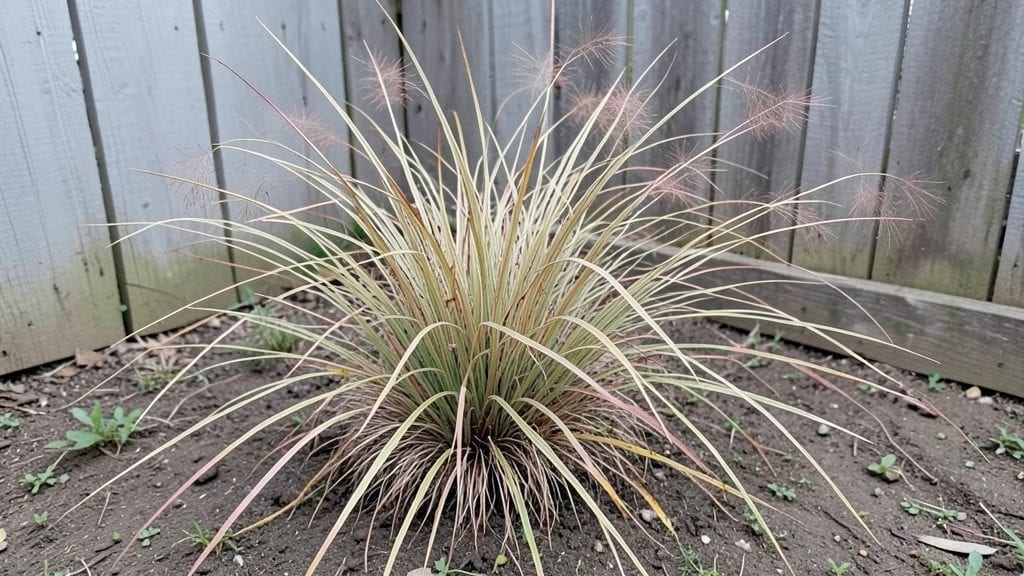
Ornamental grasses and fibrous-stemmed perennials bring texture and movement to gardens while naturally repelling pests. ✨ I learned the hard way that these "straw-like plants" aren't just pretty—they're the unsung heroes of pest control, especially when paired with the right companions.
The key is matching their airy growth habits with plants that thrive in similar conditions but offer different benefits.
Most of these plants love well-draining soil and full sun, though some varieties tolerate partial shade. Fountain grass and pampas grass are top performers, but sedges and switchgrass also excel.
The secret to keeping pests away lies in their tall, feathery stems—they disrupt insect lifecycles while providing shelter for beneficial predators like ladybugs and lacewings.
You’ll see fewer aphids, fewer slugs, and healthier neighboring plants when these grasses flank your veggies or border your flower beds. The pruning is simple: cut back in early spring before new growth appears, and watch them bounce back stronger than ever.
These plants aren’t just decor—they’re your garden’s first line of defense.
Works for both small containers and large landscapes, and pairs especially well with herbs like rosemary and thyme. Here’s how to make the most of their natural pest-repelling power without sacrificing beauty.
📚 In This Guide
- What you need
- Instructions
- Tips and common mistakes
- Wrapping up and next steps
What you need
- ● Straw-like plants: 3–5 healthy starter plants or seeds (check local climate suitability).
- ● Companion plants: Choose 2–3 from pest-repelling pairs like: Marigolds (for nematode control)
- ● Basil (deters flies and mosquitoes)
- ● Nasturtiums (attracts aphids away)
- ● Well-draining soil: 5–10 gallons of a mix of 60% topsoil, 30% compost, and 10% perlite (for aeration).
- ○ Organic fertilizer: 1 lb of balanced 10-10-10 or fish emulsion (optional but recommended).
- ● Garden trowel (for transplanting seedlings).
- ● Pruning shears (to trim dead growth).
- ● Watering can (with a fine rose nozzle for gentle hydration).
- ● Garden gloves (to protect hands from soil and sharp edges).
- ○ Mulch (optional): Straw or shredded leaves (2–3 inches) to retain moisture.
- ● Sunlight: 6+ hours of direct sun daily (straw-like plants thrive in full sun!).
- ● Spacious plot: Minimum 3 ft x 3 ft area (expandable for larger setups).
- ● Water source: Easy access to a hose or irrigation system.
- ● Pest awareness: Monitor for grubs or slugs (companion plants help, but vigilance is key!).
How to pair straw-like plants for natural pest control
Here's the approach I trust to create a self-regulating garden where straw-like plants thrive without chemicals.
🌱 Step 1: Select Your Core Straw-Like Plants
Choose plants with straw-like characteristics—think ornamental grasses, sedges, or even wheatgrass varieties—that will serve as your primary companions. I recommend starting with 4-6 varieties to create a balanced ecosystem. For example, pair maiden grass with feather reed grass for height variation, or combine blue fescue with miscanthus for texture contrast.
These plants naturally repel pests through their root exudates and dense growth habits. The key is diversity: different species attract different beneficial insects while confusing common garden pests. Space them 12-18 inches apart to allow airflow and prevent fungal issues that can plague dense plantings.
🌿 Step 2: Introduce Pest-Repelling Companion Plants
Add 1-2 pest-repelling companions for every straw-like plant in your grouping. My go-to choices include lavender (deters aphids), rosemary (keeps away cabbage moths), and marigolds (natural nematode control). These companions release volatile compounds that mask the scent of your straw plants, making them invisible to pests like Japanese beetles and spider mites.
Plant these companions within 6 inches of your straw plants. The closer they are, the more effective the pest deterrence becomes. I always place marigolds at the perimeter of the group—their bright color attracts predatory wasps that hunt garden pests. For extra protection, intersperse chives or garlic chives every 18 inches—their strong aroma deters a wide range of insects.
✂️ Step 3: Create a Mulch Barrier for Moisture Control
Apply a 2-inch layer of organic mulch (like shredded bark or straw) around the base of your plant groupings. This isn't just for aesthetics—it regulates soil moisture, which straw-like plants crave without becoming waterlogged. The mulch also blocks weed growth, reducing competition for nutrients that could stress your plants.
Keep the mulch 6 inches away from plant stems to prevent rot. I like to refresh the mulch layer every 4-6 weeks during growing season, adding a light layer of compost to feed the soil. This creates a slow-release nutrient system that keeps your straw plants lush and pest-resistant. Watch for the mulch to darken—when it starts looking dry and brittle, it's time to replenish.
💧 Step 4: Implement Targeted Watering for Pest Prevention
Water your straw plant groupings early in the morning to allow foliage to dry completely by evening. Wet leaves at night create ideal conditions for fungal spores and soft-bodied insects like slugs. Use a soaker hose placed at the base of plants to deliver water directly to roots—this prevents foliar moisture while delivering hydration exactly where it's needed.
I aim for 1 inch of water per week, adjusting based on rainfall. Check soil moisture by pushing your finger 1 inch deep—if it feels dry, water again. Overwatering is the fastest way to invite pests like fungus gnats and root maggots. You'll know your watering is perfect when the soil stays crumbly and the straw plants maintain vibrant color without wilting.
☀️ Step 5: Monitor and Adjust Light Exposure
Most straw-like plants thrive in full sun to partial shade, but their exact needs vary by variety. Observe your plants for 3-4 weeks after planting—if leaves turn yellow or grow leggy, they need more light. If they develop brown tips or wilt in afternoon heat, they're getting too much sun. Adjust by moving containers or pruning nearby trees to filter light.
I always place my groupings where they receive at least 6 hours of direct sunlight—this ensures strong growth and natural pest resistance. For container-grown straw plants, rotate pots quarter-turn weekly to prevent leaning toward the light. You'll notice the plants grow more uniformly when they receive even light exposure from all directions.
Tips & tricks for perfect straw-like plant pairings
Creating a thriving, pest-resistant garden with straw-like plants isn't just about planting—it's about strategic pairings that work in harmony. Here's how to maximize your natural pest control system.
Diversity is Key: In Step 1, when selecting your 4-6 straw-like varieties, prioritize plants with different growth habits and root structures. For example, combine upright grasses like feather reed grass with low-growing blue fescue to create a multi-layered defense system. The varied architecture confuses pests while maximizing beneficial insect habitats. I've found that adding a sedge variety to the mix further enhances this effect by creating microclimates that deter specific insect species.
Companion Plant Placement: The proximity of your pest-repelling companions in Step 2 makes all the difference. When planting lavender and rosemary within 6 inches of your straw plants, position them slightly upwind of prevailing breezes to maximize scent dispersion. For marigolds at the perimeter, consider planting them in a loose circle around the grouping—their bright flowers act as visual beacons for predatory wasps while creating a physical barrier against crawling pests. I've noticed that interspersing chives every 18 inches creates natural "zones" where different pests are deterred.
Mulch Maintenance Strategy: That 2-inch mulch layer in Step 3 isn't just decorative—it's a living part of your pest control system. Refresh it every 4-6 weeks by adding a thin layer of compost mixed with the existing mulch. This creates a slow-release nutrient system while preventing that "dried-out" look that signals to pests there's vulnerable plant material below. I recommend using a mix of shredded bark and straw mulch—the bark provides structure while straw breaks down to feed soil microbes that naturally suppress pests.
Watering Precision: The early morning watering in Step 4 is non-negotiable for preventing fungal issues, but there's an even better approach. After watering, gently shake each plant grouping to simulate a light breeze—this helps water evaporate more quickly from leaves. For container-grown straw plants, I've found that adding a small handful of perlite to the soil mix improves drainage while maintaining moisture retention, reducing the need for frequent watering and minimizing pest attraction.
Pro Tips for Straw Like Plants
- Creating a thriving, pest-resistant garden with straw-like plants isn't just about planting—it's about strategic pairings that work in harmony.
- Diversity is Key: In Step 1, when selecting your 4-6 straw-like varieties, prioritize plants with different growth habits and root structures.
- Companion Plant Placement: The proximity of your pest-repelling companions in Step 2 makes all the difference.
Frequently asked questions
Got questions about growing straw-like plants (like strawberries, strawflower, or straw mulch crops) to deter pests and boost your garden? Here are answers to the most common ones—so you can grow with confidence!
What are the best straw-like plants to pair with strawberries for pest control?
Try strawflower (Helichrysum), straw mulch crops like wheatgrass, or chives. These repel pests like slugs, aphids, and spider mites while mimicking straw’s texture—naturally! Strawflower also attracts pollinators, boosting fruit production.
How long does it take for straw-like companion plants to show pest-repelling effects?
Most straw-like companions (e.g., straw mulch crops or chives) start deterring pests within 2–4 weeks of planting. Strawflower may take 6–8 weeks to fully establish and release its scent. Plant them early to maximize protection!
Can I use strawflower or wheatgrass as a living mulch instead of straw?
Strawflower or wheatgrass can replace straw as a living mulch—they suppress weeds, retain moisture, and deter pests. Just ensure they’re cut back every 4–6 weeks to keep them dense. Bonus: They’re perennial in many climates!
What if pests still attack my strawberries even with companion plants?
If pests persist, try neem oil or garlic spray (1 tsp garlic powder + 1L water). Also, rotate companion plants yearly to prevent pest adaptation. Straw mulch crops like rye can be replanted annually for fresh protection.
Are straw-like plants safe for edible gardens, or do they attract harmful insects?
Most straw-like companions (e.g., chives, strawflower) are harmless and even beneficial. Avoid foxtail millet near edibles—it can spread aggressively. Always research before planting!
Wrapping up and next steps
Discovering the right straw-like plants to pair with your garden can transform pest struggles into thriving harmony! 🌱 From marigolds to basil, these natural allies deter pests, boost growth, and even improve flavor—making your gardening journey smoother and more rewarding.
Whether you're a seasoned green thumb or just starting, these companion pairings are your secret weapon for a pest-free paradise.
Ready to take the next step? Start small—plant a few companion pairs this season and observe the magic unfold. Before you know it, your garden will be buzzing with life, not pests! 🌟