Plants
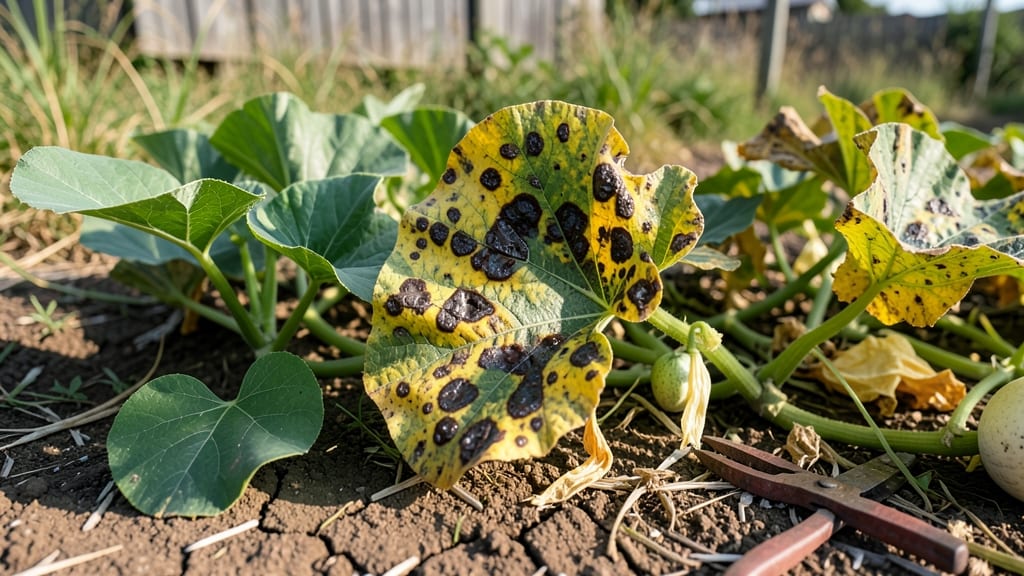
Squash plant blight turns vibrant leaves into sad, spotted messes faster than you can say "harvest season." 🌱 I’ve watched my prized butternut squash go from lush to limp in just two weeks—until I discovered copper spray’s secret weapon status.
This isn’t just another treatment; it’s the difference between throwing in the trowel and celebrating a saved crop.
The problem starts with tiny fungal spores hiding in damp soil or last year’s plant debris. When humidity spikes and leaves stay wet too long, those spores wake up and feast on your squash like an all-you-can-eat buffet.
Copper spray works by creating a protective shield on leaves, stopping the spores from getting a foothold. It’s not a magic cure, but it’s the closest thing to one when you’re staring at a garden full of sad, yellowing plants.
You’ll see results within a week if you apply it at the first sign of spots—dark, greasy patches on top leaves or fuzzy white growth on undersides. The spray stops new infections cold, and your plants start looking healthy again.
Best part? It’s safe for your family and pollinators once dry, so you can spray right up until harvest day without worry.
But here’s the thing—copper spray is just one tool. Proper spacing, watering at the base (not overhead), and choosing resistant varieties like ‘Defender’ or ‘Gold Rush’ keeps blight from crashing your garden in the first place. Let’s get your squash back to thriving before the season slips away.
Root Causes Of Squash Disease
Squash plants, with their vibrant blooms and bountiful harvests, can quickly fall victim to blight—a devastating fungal disease that turns leaves to mush and ruins yields. Understanding why this happens is the first step to stopping it.
Below, we break down the key factors that create the perfect storm for squash blight, from environmental conditions to cultivation mistakes.
Blight thrives in hot, muggy conditions, especially when temperatures hover between 70–85°F (21–29°C) and humidity stays high. Here’s how it works:
- Fungal spores (like those from Phytophthora or Pseudoperonospora) germinate rapidly in damp air.
- Poor airflow between dense foliage traps moisture, giving spores a foothold on leaves and stems.
- Heavy dew or rain splashes spores onto plant surfaces, accelerating infection.
Actionable fix: Space plants for airflow, avoid overhead watering, and use row covers during humid mornings.
Blight loves wet leaves, and inconsistent watering creates the ideal breeding ground. Key triggers:
- Overhead irrigation (sprinklers) soaks foliage, promoting spore growth.
- Inconsistent moisture stresses plants, weakening their defenses against pathogens.
- Waterlogged soil (from poor drainage) encourages root rot, which invites blight-causing fungi.
Actionable fix: Water at the base of plants in the morning, and ensure raised beds or containers for better drainage.
Blight pathogens can linger in soil for years, especially if previous crops (like cucumbers or melons) were infected. Other culprits:
- Reused garden tools (pruners, trowels) contaminated with spores.
- Infested plant debris left in beds after harvest.
- Compost with diseased plant matter unknowingly spreading the fungus.
Actionable fix: Sterilize tools with 10% bleach solution, rotate crops, and remove all plant waste.
Stressed squash plants are easy targets for blight. Common stressors:
- Nutrient deficiencies (especially magnesium or potassium) weaken cell walls.
- Physical damage (hail, pests, or rough handling) creates entry points for fungi.
- Overcrowding reduces sunlight and airflow, slowing recovery.
Actionable fix: Feed plants with balanced fertilizer, thin seedlings for spacing, and protect from pests.
By tackling these root causes—weather, water, soil, and stress—you’ll disrupt blight’s life cycle and give your squash a fighting chance. Next up: How to Stop It Before It Starts.
How to Treat Fungal Spots Fast
Fungal blight on squash plants can feel like a losing battle—but it’s not! With the right approach, you can stop the spread, heal your plants, and prevent future outbreaks.
Below, we break down the most effective fixes based on the root cause, plus practical prevention tips to keep your garden thriving.
---
Cause: Fungal spores thrive on dead or diseased plant matter, spreading to healthy leaves. Fix: - 🍳 Snip it out: Use sterilized pruners (wipe with rubbing alcohol) to remove and destroy yellowed, spotted, or wilted leaves. Do not compost them—toss in the trash or burn them. - 🌡️ Clean up the area: Rake away fallen leaves, vines, or fruit touching the soil. Fungal spores can linger for years in old plant debris. - 🎯 Pro tip: Water the soil (not leaves) in the morning to speed up evaporation, reducing humidity—a fungal favorite.
---
Cause: Fungal blight (like downy mildew or powdery mildew) responds well to copper-based fungicides, which disrupt spore germination. Fix: - 🔪 Mix it right: Use a store-bought copper fungicide (like Copper Sulfate 5-10-10 or Bordeaux Mixture) or a homemade spray: - DIY Copper Spray Recipe: - 1 tsp copper sulfate (or 1 tbsp copper fungicide) - 1 gallon water - 1 tsp dish soap (as a sticker) - ⏰ Spray schedule: Apply every 7–10 days (or after rain) until new growth is blight-free. Spray early morning or late evening to avoid burning leaves in sunlight. - 💡 Prevention boost: Add 1 tbsp baking soda + 1 tsp oil to your spray for extra antifungal power (test on a small leaf first).
---
Cause: Crowded plants trap moisture, creating the perfect fungal breeding ground. Fix: - 🌿 Thin your plants: Space squash vines 3–5 feet apart (check seed packet guidelines). If growing in hills, prune excess foliage to allow sunlight and air to circulate. - 🌡️ Avoid overhead watering: Use a drip irrigation system or soaker hose to keep leaves dry. Water at the base of the plant in the morning so foliage dries quickly. - ✨ Bonus tip: If your garden is prone to blight, rotate crops—don’t plant squash, cucumbers, or melons in the same spot next year.
---
Cause: Weak or stressed plants are more susceptible to fungal attacks. Fix: - 💪 Feed with compost tea: Mix 1 cup worm castings or compost in a gallon of water, let steep for 24 hours, then strain and spray on leaves. This boosts immunity with beneficial microbes. - 🥗 Use neem oil (early stages): Mix 1 tbsp neem oil + 1 tsp mild soap in 1 quart water. Spray every 5–7 days to smother spores and deter future infections. - 🎯 Pro tip: Mulch with straw or grass clippings (not wood chips) to reduce soil splashing onto leaves.
---
Stop blight before it starts with these easy habits: ✅ Choose resistant varieties – Look for squash labeled "powdery mildew resistant" (e.g., ‘Waltham Butternut’ or ‘Early Prolific Straightneck’). ✅ Rotate crops – Don’t plant squash in the same spot for 3+ years. ✅ Test your soil – Aim for a pH of 6.0–7.0; fungal growth slows in slightly acidic soil. ✅ Encourage predators – Ladybugs and lacewings eat fungal spores.
Plant marigolds or nasturtiums nearby to attract them. ✅ Store seeds properly – Keep them in a cool, dry place to prevent fungal contamination before planting.
--- Final thought: Fungal blight is manageable—but the key is acting fast. Once you spot those first spots, clean up, spray copper, and improve airflow to give your squash a fighting chance. With these steps, your plants will bounce back stronger than ever! 🌱💪
Frequently asked questions about squash plant blight
What do early signs of blight look like on squash leaves?
Watch for tiny yellow spots on upper leaves that turn brown or gray with a fuzzy white coating (powdery mildew) or greasy, dark patches (downy mildew). These appear first on older leaves but spread quickly. If you see these, act fast—remove affected leaves immediately and apply copper spray within 24 hours.
Can I still harvest squash if the leaves have blight?
Yes, but only if the fruit itself is healthy—blight rarely spreads to the squash itself. Harvest any mature fruit right away, then focus on treating the vines. Remove all diseased leaves to prevent further spread. Just avoid eating leaves or vines, as they can harbor toxins from fungal decay.
How often should I spray copper fungicide for prevention?
Apply copper spray every 7–10 days during humid weather or after rain, starting when plants are young. For active blight, spray every 5–7 days until new growth appears healthy. Always spray in the early morning or evening to avoid leaf burn from sunlight.
Will my squash plants recover if I treat blight late in the season?
Treatment may slow spread, but late-season blight often weakens plants too much for full recovery. Focus on harvesting existing fruit and removing all diseased plant matter. Next season, choose resistant varieties and improve airflow to prevent recurrence.
Are there organic alternatives to copper spray?
Yes! Try a mix of 1 tbsp baking soda + 1 tsp neem oil + 1 tsp mild soap per gallon of water. This combo disrupts fungal spores and strengthens plant defenses. Spray every 5–7 days during outbreaks, but copper remains the most effective for severe cases.