
Plants
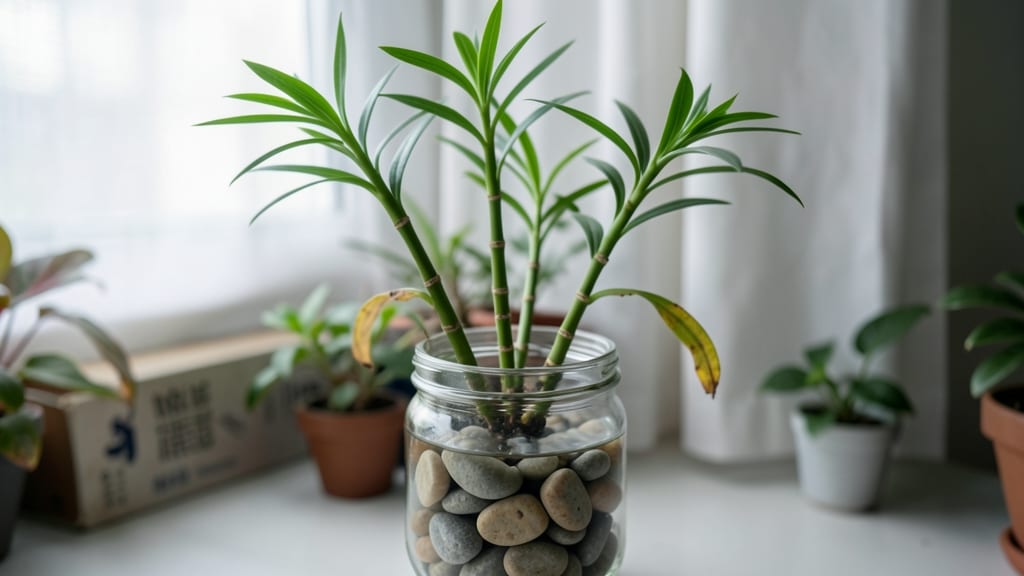
Finding the smallest bamboo plant that fits your tiny balcony or patio starts with the right variety. 🌿 I’ve grown Fargesia species and Bambusa multiplex 'Tiny Fern' in 5-gallon containers for years—these stay under 3 feet tall and never spread aggressively.
The key is choosing clumping types over running varieties, which send out underground runners that take over yards.
These mini bamboos thrive in partial shade, making them perfect for urban spaces where full sun would dry them out. Well-draining soil mixed with compost keeps roots happy, and a 12-inch-deep container gives them enough room without encouraging rapid growth.
Prune new shoots in early spring to maintain their compact shape, and you’ll have a lush, manageable plant all season.
By summer, you’ll notice vibrant green canes with delicate leaves that sway even in gentle breezes. Unlike their invasive cousins, these stay put and add tropical charm without the headache.
The best part? They’re hardy in USDA zones 5-9, so whether you’re in a city apartment or a suburban yard, they’ll adapt.
For container growing, add a layer of gravel at the bottom to prevent root rot, and water only when the top inch of soil feels dry.
Overwatering is the fastest way to kill these beauties—stick to a routine, and they’ll reward you with years of effortless greenery. Ready to try one?
📚 In This Guide
- What you need
- Instructions
- Tips and common mistakes
- Wrapping up and next steps
What you need
- ● Bamboo Plant: 1 potted Bambusa multiplex (Dwarf Bamboo) or Fargesia (Clumping Bamboo) – 3-6 inches tall (best for small spaces!).
- ● Container: 1 10-12 inch diameter pot (with drainage holes) or a hanging basket for vertical growth.
- ● Soil: 1 bag well-draining potting mix (mix with 20% perlite or orchid bark for aeration).
- ● Fertilizer: 1 balanced liquid fertilizer (10-10-10 or 20-20-20, diluted to half-strength).
- ○ Optional: 1 slow-release bamboo fertilizer pellet for convenience.
- ● Watering Tools: 1 spray bottle (for misting young shoots).
- ● 1 watering can with a narrow spout (to avoid over-saturating soil).
- ● Light: Bright, indirect sunlight (4-6 hours daily). Avoid harsh direct sun.
- ● Temperature: 60–75°F (15–24°C) (keep away from drafts or AC vents!).
- ● Humidity: 50–70% (use a humidifier or place pot on a pebble tray if air is dry).
- ● Space: Ensure at least 12 inches of clearance around the plant for airflow.
- ● 1 mulch or pine bark (to retain moisture and regulate soil temp).
- ● 1 pruning shears (for shaping or controlling spread).
- ● 1 plant support stake (if growing vertically in a hanging basket).
- ● 1 pH testing kit (ideal soil pH: 5.5–6.5).
Step-by-step guide to growing the smallest bamboo varieties
Here’s how to cultivate compact bamboo that thrives in tight spaces without taking over.
🌱 Step 1: Choose the Right Compact Bamboo Variety
Not all bamboo is invasive—some stay neatly contained. For the smallest options, look for clumping varieties like Bambusa multiplex (dwarf bamboo) or Fargesia murielae (umbrella bamboo). These grow 3-6 feet tall and spread only 2-3 feet wide, making them perfect for pots or small gardens.
Skip running bamboo types like Phyllostachys, which spread aggressively via underground rhizomes. Clumping varieties produce tight clusters of stems and rarely escape their planted area. I always verify the species name before buying, as mislabeled plants can turn into garden bullies.
🪴 Step 2: Select and Prepare the Right Container
Use a 12-18 inch diameter pot with drainage holes for each plant. Bamboo roots need room to spread but won’t outgrow a pot this size if pruned annually. I recommend terra cotta because it breathes—plastic pots trap moisture and invite root rot.
Fill the pot with well-draining potting mix (avoid garden soil—it compacts). Add a 2-inch layer of gravel at the bottom for drainage. The mix should be moist but not soggy before planting. If you’re planting outdoors, dig a hole twice as wide as the root ball but no deeper.
☀️ Step 3: Plant at the Correct Depth and Light Level
Place the bamboo so the root crown sits just below soil level—burying it too deep causes rot, while planting too high stresses the plant. Water deeply after planting to settle the soil around roots. Compact bamboo needs morning sun and afternoon shade—think 4-6 hours of direct light daily.
Too much sun scorches leaves, while too little causes weak, leggy growth. I test light spots by placing a plant in the location for a week first—if leaves yellow or wilt, it’s getting too much sun. Adjust placement until the plant looks vibrant and upright.
💧 Step 4: Water and Fertilize for Healthy Growth
Keep the soil evenly moist but never waterlogged. Water when the top inch feels dry, which is usually every 2-3 days in warm weather. Overwatering is the #1 killer of compact bamboo—yellowing leaves or mushy stems mean you’re drowning the roots.
Feed with a balanced 10-10-10 fertilizer every 6-8 weeks during growing season (spring-fall). I halve the recommended dose—bamboo is hardy and doesn’t need heavy feeding. Stop fertilizing in winter when growth slows. Mulch with 2 inches of organic matter to retain moisture and regulate soil temperature.
✂️ Step 5: Prune and Maintain for Compact Shape
Trim back 1/3 of the oldest canes in early spring to encourage new, bushier growth. Cut just above a node (the bump where leaves grow) with clean pruners. This prevents the plant from becoming leggy and keeps it dense. Remove any dead or damaged canes immediately—they drain energy from healthy stems.
Divide clumps every 3-4 years in early spring to prevent overcrowding. Dig up the plant, separate the sections with roots intact, and replant. This rejuvenates growth and gives you extra plants for gifts or expansion. Always water thoroughly after dividing to reduce transplant shock.
Tips & tricks for perfectly contained compact bamboo
Here's what I've learned after years of growing compact bamboo without a single escapee—these tricks keep your plants thriving in tight spaces.
Variety Verification: Always double-check your bamboo's species label before buying. I once bought what was labeled "Fargesia" but turned out to be a running type—it took me two years to contain it! Look for the words "clumping" or "non-invasive" on the tag. If you're unsure, ask the nursery staff to show you the rhizome type.
Container Strategy: For the 12-18 inch pots mentioned, I recommend using slightly larger pots than you think you need—bamboo roots spread wider than you might expect. If you're using terra cotta, place the pot on a saucer to catch excess water, but empty it after 10 minutes to prevent root rot from sitting water. The 2-inch gravel layer at the bottom should be coarse enough to allow water to drain quickly.
Light Testing Method: When testing light spots as mentioned in Step 3, I place a small plant in the location for a week before committing. Watch for leaves that curl slightly at the edges—this is a sign of too much afternoon sun. Compact bamboo can handle morning sun beautifully, but that intense afternoon light is what causes problems. A sheer curtain can help diffuse harsh light if needed.
Pruning Precision: When trimming back 1/3 of the oldest canes in early spring, focus on cutting just above a node where new leaves emerge. I like to make these cuts at a slight angle to prevent water from pooling on the cut. After pruning, give your plant a light feeding with half-strength fertilizer to help it recover and produce new growth. This is also a great time to remove any canes that are hollow or have brown spots.
Pro Tips for Smallest Bamboo Plant
- Here's what I've learned after years of growing compact bamboo without a single escapee—these tricks keep your plants thriving in tight spaces.
- Variety Verification: Always double-check your bamboo's species label before buying.
- Container Strategy: For the 12-18 inch pots mentioned, I recommend using slightly larger pots than you think you need—bamboo roots spread wider than you might expect.
Frequently asked questions
Got questions about growing the smallest bamboo plants? You’re not alone! Here are answers to the most common queries to help you succeed with compact bamboo varieties in tight spaces.
What’s the smallest bamboo plant I can grow in a container?
The Bambusa multiplex (aka "Golden Goddess" or "Rainbow") and Fargesia robusta (clumping bamboo) are top picks for containers. They stay under 6–8 feet tall with proper pruning. For ultra-compact options, Bambusa ventricosa (ventricosa) reaches just 3–5 feet with careful care.
How long does it take for dwarf bamboo to establish itself?
Patience is key! Most compact bamboo varieties take 1–2 years to fully establish roots and fill out. Clumping types (like Fargesia) grow faster than running types, but even they need time. Pro tip: Mulch well and water consistently to speed up root development.
Will dwarf bamboo spread aggressively like larger varieties?
Not if you choose clumping bamboo (e.g., Fargesia or Borinda). These stay contained with rhizome barriers or containers. Running bamboo (like Phyllostachys) can escape—avoid these for small spaces unless you’re prepared for containment methods.
How often should I water tiny bamboo plants?
Keep soil consistently moist (not soggy) for the first 6–12 months. Once established, water 1–2 times per week, depending on climate. Warning: Overwatering causes root rot, while underwatering stunts growth. Use your finger to check soil depth—if it’s dry 1 inch down, it’s time to water!
Can I grow dwarf bamboo indoors?
Possible, but challenging! Only small, slow-growing types like Bambusa multiplex (with bright light) may thrive indoors. Place near a south-facing window or under grow lights. Expect slower growth and potential pests—outdoor growing is ideal for long-term health.
How do I prune dwarf bamboo to keep it small?
Prune in late winter/early spring to shape and encourage bushiness. Cut back 1/3 of the oldest canes at the base to stimulate new growth. For Fargesia, trim dead or overcrowded culms to maintain airflow. Pro tip: Use sterilized shears to prevent disease!
Wrapping up and next steps
Growing the smallest bamboo plant is a rewarding way to bring nature into your space—whether it’s a balcony, patio, or cozy corner! 🌿 These compact varieties prove that even the tiniest gardens can thrive with the right care.
Now that you’re armed with the perfect materials, tips, and answers, it’s time to roll up your sleeves and watch your mini bamboo flourish.
Ready to take the next step? Start by selecting your favorite dwarf variety, prep your pot or garden bed, and give it the love it deserves. Before you know it, you’ll have a lush, low-maintenance green addition that’s as charming as it is practical. Happy planting! 🌱