
How To
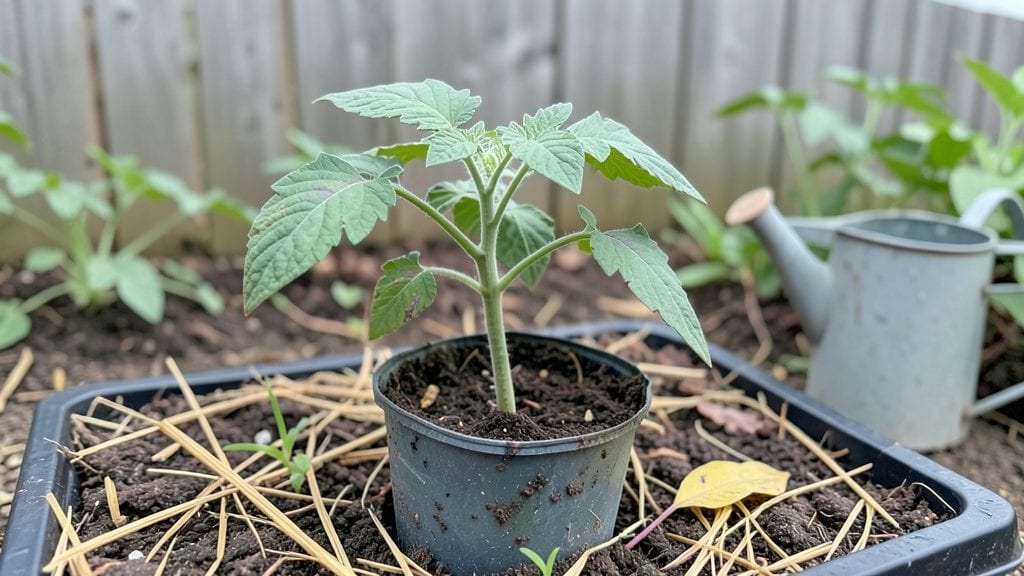
Treating plant transplant shock can turn a limp, yellowing new arrival into a thriving plant within days. 🌱 I’ve nursed back more than my share of sad-looking transplants—usually by doing the opposite of what most guides suggest.
The key isn’t coddling; it’s understanding why plants shut down after moving and how to gently coax them back to life.
Most shock comes from root disturbance, sudden light changes, or overwatering after planting. You’ll spot it in droopy leaves, crispy edges, or leaves yellowing from the bottom up.
The good news? With the right care, roots regenerate fast—often within 3-7 days—if you avoid common mistakes like fertilizing too soon or burying stems too deep.
Start with shade and light watering to let roots recover, then gradually reintroduce sun. Prune any damaged leaves to redirect energy, and hold off on fertilizer until new growth appears. Within 2 weeks, your plant should bounce back stronger than before, with glossier leaves and steady growth.
This works for everything from tomatoes to perennials, though delicate plants like impatiens need extra patience. The secret is consistency—don’t rush the process. Here’s exactly how to do it right the first time.
Root Causes Of Transplant Trauma
Transplant shock isn’t just a vague term—it’s a real physiological response where plants react to stress like a human would to a sudden move. Understanding why it happens is the first step to preventing it.
Below, we break down the three primary triggers that send plants into shock, backed by science and actionable insights.
When you uproot a plant, even carefully, you’re severing fine root hairs and mycorrhizal fungi—the plant’s lifeline for nutrient and water absorption. These tiny structures take weeks to regrow, leaving the plant temporarily starved for hydration and minerals.
- The science: Root hairs have a high surface area-to-volume ratio, meaning they absorb 90% of a plant’s water.
Damaging them forces the plant to rely on thicker, less efficient roots—like switching from a straw to a fire hose. - Actionable takeaway: Use a soil knife or spade to minimize root damage, and prune only the outermost roots (never hack into the center).
For delicate plants like ferns or orchids, pre-soak the root ball before transplanting to reduce stress.
Plants are temperature-sensitive creatures. Moving them from a shady greenhouse to a sun-drenched patio or from a humid terrarium to a dry indoor space can cause osmotic shock—where cells lose or gain water too quickly, leading to wilting or leaf scorch.
- The science: Plants regulate water uptake via osmotic pressure in their cells.
Sudden changes in light, humidity, or temperature disrupt this balance, causing plasmolysis (cell collapse) or turgor loss (flaccid leaves). - Actionable takeaway: - Acclimate gradually: Move plants to their new location step by step over 3–5 days (a process called hardening off). - Match conditions: If transplanting indoors, place the plant in a similar light/humidity zone as its original spot.
Use a humidity tray or mist lightly for tropical species.
Plants in containers or small pots exhaust nutrients quickly. When you transplant, you’re often moving them to fresh soil—but their roots aren’t ready to forage yet. This creates a nutrient gap, triggering stress responses like chlorosis (yellowing leaves) or stunted growth.
- The science: Roots release exudates (natural chemicals) to signal microbes for nutrients.
If the soil lacks available nitrogen, phosphorus, or potassium, the plant can’t photosynthesize efficiently, leading to metabolic slowdown. - Actionable takeaway: - Use a starter fertilizer (like a balanced 10-10-10) 1 week before transplanting to build root resilience. - Avoid over-fertilizing post-transplant—stick to half-strength feedings for 4–6 weeks to prevent burn while roots establish. - Add compost or worm castings to the new soil for a slow-release nutrient boost.
Even "gentle" transplanting can cause mechanical damage to leaves and stems. Bruised foliage becomes entry points for pathogens, while drooping stems signal abscisic acid (a stress hormone) production, which slows growth.
- The science: When stems break, ethylene gas is released, triggering senescence (premature aging).
Leaves may drop, and new growth halts as the plant diverts energy to repair. - Actionable takeaway: - Support stems with a hand or board when lifting plants to avoid bending. - Remove only damaged leaves (never healthy ones)—this reduces the plant’s workload. - Transplant on a cloudy day to prevent sunburn on freshly exposed leaves.
Healthy soil is teeming with beneficial microbes (like mycorrhizae and rhizobacteria) that help roots absorb water and nutrients. When you transplant, you sever this symbiotic relationship, forcing the plant to rebuild its microbiome from scratch.
- The science: Mycorrhizal fungi can increase water uptake by 30% and nutrient absorption by 50%.
Without them, roots struggle to colonize new soil, leading to transplant shock. - Actionable takeaway: - Save soil from the original pot (if healthy) and mix it 1:1 with new soil to reintroduce familiar microbes. - Add a microbial inoculant (like mycorrhizal powder) to the new planting hole to jumpstart the relationship.
Transplant shock is 100% preventable when you address these root causes. The goal isn’t just to move the plant—it’s to minimize stress at every step. Next, we’ll cover how to revive a plant already in shock with 3 science-backed recovery steps.
Revive Your Plants with These Fixes
Now that you know the signs and causes of transplant shock, let’s tackle the solutions—step by step, plant by plant. The good news? Most cases improve within 2–4 weeks with the right care.
Below, we’ve mapped out practical fixes for each common cause, plus prevention tips to keep your greens thriving long-term.
Cause: Roots severed or crushed during transplanting. Fix:
- 💧 Water deeply but gently—soak the root ball until water drains from the bottom. Avoid overhead spraying to prevent fungal issues.
- 🌿 Trim damaged roots (if severe) with sterilized scissors, but leave healthy white roots intact. Prune no more than 1/3 of the root system to avoid stressing the plant further.
- 🏺 Use a rooting hormone (like mycorrhizal powder) for woody plants or perennials to speed up recovery.
- 🌡️ Keep soil moist (not soggy)—mulch with 2–3 inches of organic matter (straw, shredded leaves) to retain moisture and protect roots.
💡 Pro Tip: If repotting, choose a pot just 1–2 inches wider than the root ball. Overly large containers cause moisture loss and root rot.
Cause: Sudden exposure to intense light after transplanting. Fix:
- 🌿 Move to partial shade for 7–10 days, especially for tropical plants or those transitioning from indoors to outdoors.
- 🕶️ Use shade cloth (30–50%) if direct sun is unavoidable. Gradually increase sunlight exposure over 2 weeks.
- 💧 Water in the morning to reduce evaporation stress from midday heat.
- 🌡️ Monitor soil temperature—if it’s above 85°F (29°C), provide afternoon shade.
🔥 Hot Tip: Signs of sunburn (yellowing, crispy edges) mean it’s time to move your plant to a cooler spot immediately.
Cause: Improper watering post-transplant. Fix:
- 💧 Check soil moisture daily—stick your finger 1 inch deep. Water only when the top layer feels dry.
- 🚫 Avoid soggy soil—ensure pots have drainage holes and empty saucers after watering to prevent root rot.
- 🌧️ For drought-sensitive plants, mist leaves lightly (but avoid waterlogging).
- 🔄 Adjust your watering schedule—newly transplanted plants may need water every 2–3 days (vs. weekly for established plants).
✨ Smart Hack: Use a moisture meter or poke a chopstick into the soil—if it comes out clean, water is needed.
Cause: Extreme heat, cold drafts, or sudden temperature swings. Fix:
- 🏡 Keep plants in a stable environment—avoid placing them near AC vents, heaters, or drafty windows.
- 🌡️ Ideal recovery temps: 65–75°F (18–24°C) for most plants. Use a heating mat (for cold-sensitive plants) or move indoors if temps drop below 50°F (10°C).
- 🌿 Group plants together to create a microclimate with shared humidity.
- 🌧️ Increase humidity with a pebble tray (fill a tray with water and stones, place pot on top) or a humidifier.
🎯 Prevention Tip: Harden off plants gradually before transplanting—expose them to outdoor conditions for 1–2 weeks before permanent placement.
Cause: Shock weakens roots, reducing nutrient uptake. Fix:
- 🍽️ Wait 2–4 weeks before fertilizing—new roots need time to establish.
- 🌱 Use a diluted, balanced fertilizer (5-5-5 or 10-10-10) at half strength if the plant shows pale leaves or stunted growth.
- 🥬 Boost with organic amendments—add compost tea or worm castings to the soil for a gentle nutrient boost.
- 🍃 Avoid chemical fertilizers until the plant shows new growth (usually after 3–4 weeks).
💡 Nutrient Boost: A seaweed extract spray (1 tsp per gallon of water) can help stressed plants recover faster.
Cause: Weakened plants attract pests or develop infections. Fix:
- 🚫 Isolate the plant until you confirm no pests (like spider mites or aphids) are present.
- 🍃 Spray with neem oil (1 tsp per quart of water) or insecticidal soap for soft-bodied pests.
- 🌿 Prune infected leaves immediately and sterilize tools with rubbing alcohol.
- 🌡️ Improve airflow by spacing plants properly to prevent fungal issues (like powdery mildew).
🔥 Emergency Fix: For root rot, remove the plant, trim black/mushy roots, repot in fresh, sterile soil, and hold off on watering for 3–5 days.
To avoid transplant shock in the future, follow these must-do strategies:
- 🌱 Choose the right time—transplant on a cool, cloudy day or in early morning/evening to reduce stress.
- 🌿 Keep the root ball intact—water the plant 1–2 days before transplanting to encourage root cohesion.
- 🏺 Use the right soil—match the pH and texture to your plant’s needs (e.g., acidic for azaleas, sandy for cacti).
- 🌡️ Acclimate gradually—if moving from indoors to outdoors, harden off over 7–10 days.
- 💧 Water deeply after transplanting—this helps roots reattach to the soil.
- 🌿 Monitor for 4 weeks—watch for yellowing, wilting, or leaf drop as early warning signs.
Final Thought: Patience is key—transplant shock is temporary, but proactive care makes all the difference. With these fixes, your plants will bounce back stronger than ever! 🌿💚
Frequently asked questions
How long does it take for plants to recover from transplant shock?
Most plants show improvement within 3-7 days if given proper care, but full recovery typically takes 2-4 weeks. Delicate plants like impatiens or ferns may need up to 6 weeks, while hardy perennials often bounce back faster. Monitor for new growth—this is your best indicator of progress.
Can I use rooting hormone on all plants after transplanting?
No, rooting hormones work best on woody plants, perennials, and some shrubs like roses or lavender. Avoid using them on tropical plants, succulents, or delicate annuals—they can cause more stress. For these types, focus on proper watering and shade instead.
Why are my plant's leaves turning yellow after transplanting?
Yellowing leaves usually signal nutrient deficiency or root damage from transplant shock. Start by checking soil moisture—overwatering or underwatering can both cause this. If the yellowing starts at the bottom, it's often a sign of root stress. Hold off on fertilizer for 2-4 weeks and focus on gentle watering.
Is it okay to fertilize a plant right after transplanting?
Absolutely not! Newly transplanted plants need time to establish roots before handling fertilizer. Wait at least 4-6 weeks before applying any nutrients. Even then, use only half-strength fertilizer to avoid burning the recovering roots.
What's the best time of day to transplant plants?
Early morning or late afternoon on a cool, cloudy day is ideal. This minimizes stress from direct sunlight and heat. Avoid transplanting during peak sun hours—plants are already vulnerable and can suffer sunburn when their leaves are exposed during the move.