
Planting
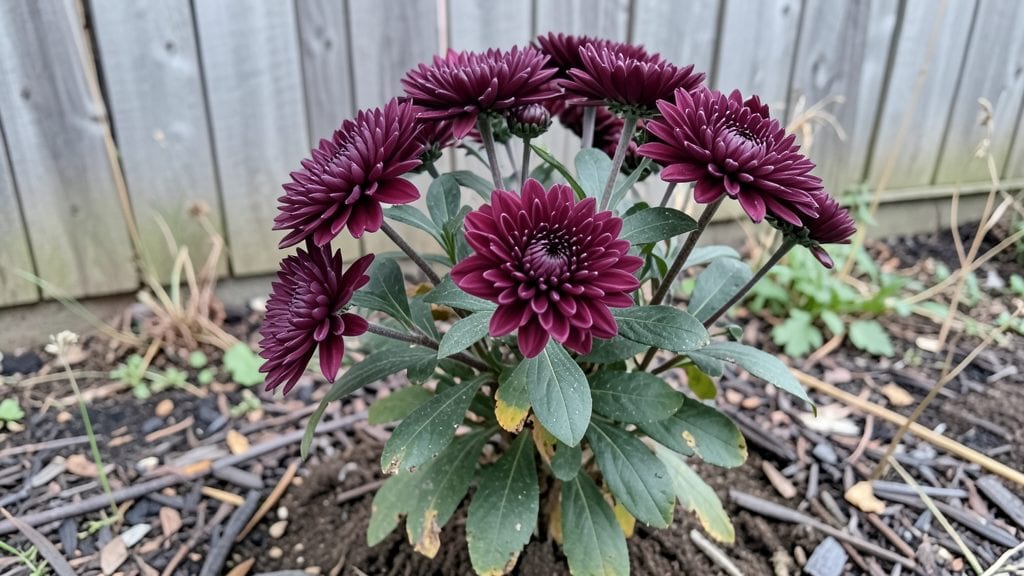
My Sheffield chrysanthemum plant transformed my fall garden from ordinary to showstopping—drought-tolerant blooms that last from September through frost without extra fuss. 🌿 These hardy plants thrive where others fail, with deep green foliage that stays crisp even when summer heat lingers.
The secret lies in their roots: once established, they sip water like a camel in the desert, making them perfect for dry climates or forgetful gardeners.
The right variety makes all the difference—whether you want compact mounds for borders or tall spikes for cutting. My go-to is 'Sheffield Pink,' which blooms in clusters of soft blush, but 'Sheffield White' adds elegant contrast.
They love full sun but tolerate partial shade, and their woolly stems resist deer and rabbits better than most perennials. The key? Plant them in well-draining soil with a handful of compost mixed in—no fancy amendments needed.
By late fall, you'll be harvesting vibrant bouquets that last weeks in vases, or leaving them in the garden to feed pollinators until the first frost. Prune back by half in early spring, and watch them rebound with bold new growth by summer.
These aren't just flowers—they're the workhorses of the autumn garden, turning bare patches into lush displays with almost no effort.
Works in USDA zones 5-9, from coastal gardens to inland heat zones. The only rule? Don't overwater—once they're settled, they'll thank you by blooming like crazy. Ready to add some low-maintenance drama to your yard?
📚 In This Guide
- What you need
- Instructions
- Tips and common mistakes
- Wrapping up and next steps
What you need
- ● Sheffield chrysanthemum plant: 1-3 plants (depending on desired coverage; choose healthy, well-rooted specimens with vibrant foliage).
- ● Well-draining potting mix: 1-2 bags (for containers) or enrich garden soil with compost (1-2 cubic feet per planting area).
- ○ Containers (optional for outdoor planting): 5-15 gallon pots (1 per plant; ensure drainage holes).
- ● OR raised garden beds (minimum 12" depth).
- ● Slow-release fertilizer: 10-10-10 or balanced formula (1 tbsp per plant or per 1 gallon of soil).
- ● Mulch: 2-3 inches of organic mulch (e.g., shredded bark or straw) to retain moisture and suppress weeds.
- ● Watering can or hose with gentle spray nozzle: For even hydration without damaging delicate blooms.
- ● Garden trowel or hand shovel: For transplanting or digging holes (6-8" deep).
- ● Pruning shears: Sharp, sterilized shears for trimming dead blooms or shaping.
- ○ Gloves (optional): To protect hands from thorns or soil.
- ○ pH testing kit (optional): Ideal soil pH for chrysanthemums: 6.0–7.0.
- ● Sunlight: 6+ hours of direct sun daily (partial shade in hot climates).
- ● Temperature: Thrives in USDA Zones 5–9; protect from frost if growing in containers.
- ● Watering routine: Keep soil consistently moist but not soggy (drought-tolerant once established!).
- ● Deadheading: Regularly remove spent blooms to encourage longer flowering.
Step-by-step guide to planting and caring for Sheffield chrysanthemums
Here’s my foolproof approach to growing these stunning, hardy blooms—drought-resistant and packed with seasonal color.
🌱 Step 1: Select the Perfect Planting Site and Soil
Sheffield chrysanthemums thrive in full sun—at least 6 hours of direct light daily—but they’ll tolerate partial shade in hotter climates where afternoon sun can scorch leaves. I always choose a spot with well-draining soil because these plants despise soggy roots. If your soil is heavy clay, amend it with 2-3 inches of compost mixed into the top 12 inches of soil to improve aeration.
Test your site by digging a 6-inch hole—if water pools instead of draining within 10 minutes, you’ll need to raise the bed or add organic matter. These plants are tough once established, but they’ll reward you with bold, long-lasting blooms only if the foundation is right.
🪴 Step 2: Plant at the Right Depth and Spacing
Dig holes twice as wide as the root ball but only as deep—the top of the root ball should sit just below soil level (burying too deep suffocates stems). For 4 plants, space them 18-24 inches apart in rows 24 inches apart to allow airflow and prevent fungal issues. I always loosen the roots slightly if they’re tightly bound before placing them in the hole.
Backfill with native soil, pressing gently to remove air pockets but not compacting too firmly. Water deeply right after planting to settle the soil and encourage root contact. You’ll know it’s done right when the soil surface looks even and slightly firm—not muddy or crumbly.
☀️ Step 3: Water Strategically for Drought Tolerance
Sheffield chrysanthemums are drought-tolerant once established, but young plants need consistent moisture for the first 4-6 weeks. Water deeply once a week, aiming for 1 inch of water per week (check with a rain gauge or tuna can). Let the top 2 inches of soil dry out between waterings to prevent root rot.
Here’s the trick: water early in the morning so foliage dries quickly, reducing fungal risks. Avoid overhead sprinklers—direct water on the soil, not leaves, to keep blooms clean and plants healthy. Mulch with 2-3 inches of shredded bark around the base (but not touching stems) to retain moisture and suppress weeds.
✂️ Step 4: Prune and Deadhead for Continuous Blooms
Pinch back new growth by ⅓ when stems reach 4-6 inches tall to encourage bushier, stronger plants. I do this in early summer—it might look brutal, but you’ll get fuller plants and more blooms later. Once flowers fade, deadhead spent blooms by cutting back to the nearest leaf or bud. This redirects energy to new growth instead of seed production.
In late summer, give your plants a light trim to remove any leggy or crowded stems. This keeps airflow optimal and prevents diseases like powdery mildew. Sheffields are forgiving—even if you skip pruning, they’ll still bloom, but proper care extends their season by weeks. Watch for buds forming at leaf junctions—that’s your cue they’re ready for another round of deadheading.
⏰ Step 5: Overwinter for Year-Round Performance
Sheffield chrysanthemums are hardy to USDA Zone 5, but in colder regions, protect them with 4-6 inches of mulch once temperatures drop below 30°F. I cover mine with straw or shredded leaves in late fall, then remove it in early spring before new growth appears. In Zone 6-9, they’re usually perennial and will regrow each year with minimal care.
If you’re growing them as annuals, take 4-inch stem cuttings in late summer before frost. Root them in sandy potting mix, keep them in bright, indirect light, and water lightly until established. You’ll have new plants ready for next season in just 4-6 weeks. The key is acting before the first hard freeze—wait too long, and you’ll lose your mother plant.
Tips & tricks for perfect Sheffield chrysanthemum planting
These game-changing insights will help you transform your garden into a year-round display of bold, drought-resistant color—without the guesswork.
Soil Test Hack: Before planting, conduct a simple drainage test by digging a 6-inch hole and filling it with water. If it doesn't drain within 10 minutes, amend with 2-3 inches of coarse sand or perlite mixed into the top 12 inches of soil. Sheffields despise soggy roots, and this quick test prevents future waterlogged disasters.
Root Ball Preparation: When planting, gently tease apart the roots of tightly bound root balls to encourage faster establishment. I make small vertical cuts with a knife along the bottom edge—this helps roots spread outward immediately rather than circling in the hole. The goal is to mimic natural root growth patterns from day one.
Watering Schedule: The 4-6 week establishment period is critical. Instead of relying on memory, use a rain gauge or tuna can to measure exactly 1 inch of water per week. Early morning watering (before 9 AM) prevents fungal diseases by allowing foliage to dry completely before nightfall. I set a timer on my hose to ensure consistent depth each time.
Pruning Timing: Pinching back new growth by ⅓ when stems reach 4-6 inches creates bushier plants, but timing matters. Do this in early summer when temperatures are moderate—avoid pruning during heatwaves or cold snaps. The plant needs energy to recover from the shock while still having favorable growing conditions. Think of it as giving your Sheffield a strategic haircut at the optimal moment.
Pro Tips for Sheffield Chrysanthemum Plant
- These game-changing insights will help you transform your garden into a year-round display of bold, drought-resistant color—without the guesswork.
- Soil Test Hack: Before planting, conduct a simple drainage test by digging a 6-inch hole and filling it with water.
- Root Ball Preparation: When planting, gently tease apart the roots of tightly bound root balls to encourage faster establishment.
Frequently asked questions
Got questions about growing Sheffield chrysanthemums?
Here are answers to the most common ones to help you cultivate these stunning, low-maintenance plants with confidence!
When is the best time to plant Sheffield chrysanthemums?
Plant them in early spring (after the last frost) or late summer (6-8 weeks before the first frost). This timing ensures strong root establishment before extreme temperatures hit. For container growing, you can plant anytime the soil isn’t frozen!
How often should I water Sheffield chrysanthemums?
Water deeply 1-2 times per week during the first growing season to encourage root growth. Once established, they’re drought-tolerant—water only when the top 1-2 inches of soil feel dry. Overwatering is their biggest enemy!
Do I need to prune Sheffield chrysanthemums, and how?
Yes! Prune in early spring to remove dead or weak stems, cutting back by ⅓. For bushier growth, pinch back new growth in late spring (remove the top set of leaves). Avoid heavy pruning in fall—it can reduce winter hardiness.
What pests or diseases should I watch for?
Common issues include aphids, spider mites, and powdery mildew. Treat pests with insecticidal soap or neem oil. For mildew, improve airflow and avoid overhead watering. Healthy soil and spacing prevent most problems!
Can I grow Sheffield chrysanthemums in containers?
Use a 5-gallon container minimum with well-draining soil. Choose a pot with drainage holes, and replant every 2-3 years to refresh the soil. Just ensure they get 6+ hours of sunlight daily for best blooms.
Are Sheffield chrysanthemums cold-hardy?
Yes! They thrive in USDA Zones 5-9 and tolerate light frosts. For winter protection in colder zones, add a 2-3 inch layer of mulch around the base. They’ll bounce back beautifully in spring!
Why aren’t my Sheffield chrysanthemums blooming?
Lack of blooms often stems from too much nitrogen (focus on balanced fertilizer), overcrowding, or insufficient sunlight. Deadhead spent blooms to encourage more flowers, and ensure they get full sun (6+ hours/day).
Wrapping up and next steps
Growing a Sheffield chrysanthemum is a rewarding way to add vibrant color and drought-resistant beauty to your garden year-round! With its hardy nature and stunning blooms, this plant is perfect for both beginners and seasoned gardeners.
Whether you’re drawn to its pink, purple, or white flowers, this variety thrives with minimal fuss—just provide well-draining soil, sunlight, and occasional care.
Ready to bring this cheerful plant into your outdoor space? Start by selecting your favorite Sheffield variety and follow the steps above to plant it with confidence. Watch as your garden transforms into a blooming masterpiece—happy gardening! 🌸✨