
Companion Plants
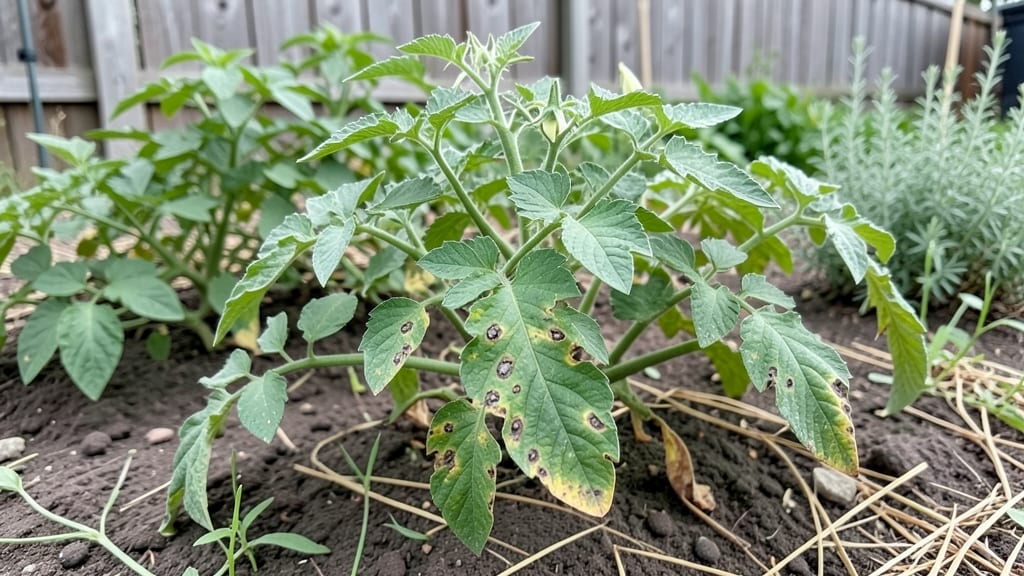
When your tomato plants start showing those telltale brown spots with yellow halos, you know septoria leaf spot has struck—and it spreads fast. 🌱 I’ve lost entire plants to this fungal infection, but I’ve also learned which varieties stand up to it better than others.
The key isn’t just treating the problem; it’s choosing tomatoes that resist it in the first place.
These five varieties—like ‘Mountain Merit,’ ‘Defiant PhR,’ and ‘Celebrity’—are bred to handle septoria better than heirlooms. They’re not immune, but their natural resistance gives you a fighting chance, especially in humid climates.
Proper spacing and pruning also help, since crowded plants trap moisture where the fungus thrives. I’ve saved multiple harvests by switching to these varieties and adjusting my care routine.
You’ll notice fewer spots on the leaves, which means more energy goes to fruit instead of fighting disease. The plants stay greener longer, and you can extend your harvest by weeks. Even if septoria appears, these tomatoes produce enough fruit to make treatment worth the effort.
The secret is combining the right plants with smart prevention—like removing infected leaves early and avoiding overhead watering.
Works for home gardeners, container growers, and even small-scale farmers. Once you see the difference, you’ll never go back to susceptible varieties. Let’s get those resistant plants in the ground—and keep your tomatoes thriving.
📚 In This Guide
- What you need
- Instructions
- Tips and common mistakes
- Wrapping up and next steps
What you need
- ● Septoria-resistant tomato seeds or seedlings – Choose from 5+ varieties like 'Mountain Merit', 'Defiant PhR', or 'Iron Lady' (2-5 plants per household, depending on yield goals).
- ● High-quality potting mix or compost – 10-20 lbs (4.5-9 kg) of organic, well-draining soil amended with compost (aim for a 60/40 soil-to-compost ratio).
- ● Containers or garden beds – 5-gallon pots (for container gardening) or raised beds (minimum 12" deep) with drainage holes.
- ○ Organic fungicide (optional but recommended) – Copper-based spray (e.g., Copper Soap) or neem oil (16 oz spray bottle).
- ● Pruning shears – Sharp, sterilized shears for trimming (disinfect with rubbing alcohol between cuts).
- ● Stakes or cages – 6-8 ft tall tomato cages or bamboo stakes (2-3 per plant) to support growth.
- ● Drip irrigation or watering can – Avoid overhead watering; opt for soaker hoses or cans with narrow spouts (5+ gallons capacity).
- ● Garden gloves & knee pads – For comfort and protection while working.
- ● Companion plants – Basil, marigolds, or onions (plant near tomatoes to deter pests and improve air circulation).
- ● Mulch (straw or wood chips) – 2-3 inches (5-7.5 cm) to retain moisture and prevent soil splashing.
- ● pH test kit – Ensure soil pH is between 6.0-6.8 (ideal for tomatoes).
- ● Shade cloth (30-50%) – For hot climates to reduce stress on plants.
- ● Plant labels & marker – To track varieties and pruning schedules.
How to select and grow septoria-resistant tomato varieties
Here's how to choose and cultivate tomatoes that naturally fight fungal diseases like septoria leaf spot.
🌱 Step 1: Identify the Top 5 Disease-Defying Varieties
Start with these septoria-resistant varieties that consistently perform well in humid climates: 'Mountain Merit', 'Defiant PhR', 'Iron Lady', 'Celebrity', and 'Bush Early Girl'. Each offers strong genetic resistance while delivering excellent flavor and productivity. I always check the seed packet for the VFN (Verticillium, Fusarium, Nematode) rating—look for VFN or VFN+ for maximum disease protection.
These varieties are bred to handle high humidity and frequent rainfall—key triggers for septoria. 'Mountain Merit' and 'Defiant PhR' are my top picks for heavy-disease-pressure areas. If you're new to resistant varieties, 'Celebrity' is the most widely available and consistently reliable.
☀️ Step 2: Plant in Optimal Conditions for Disease Prevention
Give your septoria-resistant tomatoes full sun (6-8 hours daily) and spacious planting (18-24 inches apart) to improve air circulation. Crowded plants trap moisture on leaves, creating perfect conditions for fungal spores to thrive. I always plant in raised beds or containers when possible—this keeps soil drier and roots healthier.
Use drip irrigation or soaker hoses instead of overhead watering to avoid wetting leaves. Water in the early morning so foliage dries quickly. If you must use a sprinkler, aim for the soil only and finish watering by 10 AM to prevent prolonged leaf wetness.
💧 Step 3: Maintain Soil Health to Boost Natural Resistance
Amend your soil with 2-3 inches of compost before planting to strengthen plant immunity. Healthy soil supports strong root systems that better resist stress and disease. I mix in 1 tablespoon of kelp meal at planting time—it contains natural fungicides that further protect young plants.
Mulch heavily with straw or shredded leaves to keep soil moist but prevent splashing spores onto leaves. Avoid organic mulches like grass clippings, which can harbor fungal spores. Monitor soil moisture—keep it consistently damp (not soggy)—and adjust watering if rainfall is frequent.
✂️ Step 4: Prune and Monitor for Early Signs of Disease
Prune your tomatoes weekly to remove lower leaves that touch the soil (they're prime targets for septoria spores). Focus on opening up the plant's center for better airflow. I always prune with sterilized pruners (wipe with rubbing alcohol between cuts) to avoid spreading disease accidentally.
Check leaves every 3-5 days for tiny dark spots with yellow halos—this is septoria's first warning sign. Remove infected leaves immediately and dispose of them in the trash (not compost). Spray plants with a copper fungicide preventatively every 2-3 weeks during wet seasons, even with resistant varieties.
🌿 Step 5: Rotate Crops and Clean Up Thoroughly Each Season
Never plant tomatoes in the same spot next year—this breaks the septoria life cycle. I rotate my planting locations every 3-4 years to different areas of the garden. If space is limited, grow tomatoes in containers and move them completely each season.
At season's end, remove all plant debris and till the soil to 6 inches deep to bury infected material. Solarize the bed by covering it with clear plastic for 4-6 weeks in summer to kill any remaining spores. This step is non-negotiable—it's how I've kept septoria out of my garden for over a decade.
Tips & tricks for perfect septoria-resistant tomato plants
Growing tomatoes that naturally fight septoria takes a few key strategies—here's what I've learned from years of battling fungal diseases in my garden.
Variety Selection Matters: When choosing between the five recommended varieties, prioritize 'Mountain Merit' or 'Defiant PhR' if you live in a region with heavy rainfall or high humidity. These two handle wet conditions best. For urban gardeners with limited space, 'Bush Early Girl' is my top pick—it's compact but still highly resistant. Always verify the VFN rating on seed packets; VFN+ varieties offer the strongest protection against multiple soil-borne diseases.
Planting Strategy for Airflow: The 6-8 hours of full sun requirement isn't just about light—it's about creating a dry environment. In Step 2, when spacing plants 18-24 inches apart, think of it as creating a mini greenhouse with ventilation. I've found that using raised beds with 2-inch tall sides actually improves airflow better than flat ground plantings. This small elevation helps water drain faster and prevents leaf wetness.
Soil Preparation Secret: The 2-3 inches of compost recommendation is non-negotiable, but here's the pro tip: mix in a handful of crushed eggshells with that compost. The calcium helps prevent blossom end rot while supporting overall plant health. For the kelp meal, I buy it in powder form and mix it directly into the planting hole—it dissolves quickly and provides immediate protection against fungal spores in the soil.
Pruning with Purpose: During your weekly pruning in Step 4, focus on creating a "vase shape" rather than just removing lower leaves. This opens up the center for maximum airflow while still maintaining the plant's natural structure. I also keep a small spray bottle of rubbing alcohol near my pruners—wiping them between cuts prevents accidental disease transmission between plants. The key is to be aggressive with pruning early in the season to establish good airflow patterns before the plant gets too large.
Pro Tips for Septoria Tomato Plants
- Growing tomatoes that naturally fight septoria takes a few key strategies—here's what I've learned from years of battling fungal diseases in my garden.
- Variety Selection Matters: When choosing between the five recommended varieties, prioritize 'Mountain Merit' or 'Defiant PhR' if you live in a region with heavy rainfall or high humidity.
- Planting Strategy for Airflow: The 6-8 hours of full sun requirement isn't just about light—it's about creating a dry environment.
Frequently asked questions
What are the first signs of Septoria on tomato plants?
Look for small, dark spots (1/8" to 1/4" wide) with gray centers and yellow halos on lower leaves first. As it spreads, spots may develop tiny black specks (fungal spores). If ignored, leaves turn brown and crispy, reducing yield. Act fast!
How soon after planting should I worry about Septoria?
Septoria thrives in warm, humid conditions, so watch for it 4–6 weeks after transplanting (when plants are stressed) or during late summer. Early signs often appear on older leaves first. Prevention starts at planting! Use resistant varieties and proper spacing for airflow.
Are copper sprays or fungicides the only way to stop Septoria?
Not at all! Cultural fixes work too:
- Remove infected leaves (don’t compost them—bag and trash)
- Water at the base (avoid wetting foliage)
- Space plants 18–24" for airflow
- Rotate crops—don’t plant tomatoes/solomon seal in the same spot yearly
Will Septoria kill my tomato plants or just the leaves?
Septoria rarely kills plants but weakens them, reducing fruit quality and yield. Heavy infections can defoliate plants, stressing them and making them vulnerable to other pests. Prioritize resistant varieties (like ‘Mountain Merit’ or ‘Defiant PhR’) and prune aggressively to save energy for fruit production.
Does Septoria survive winter? How do I clean up my garden?
Yes! The fungus overwinters in plant debris, so fall cleanup is critical:
Pro tip: Plant garlic or marigolds nearby next season—they deter fungal spores!
Wrapping up and next steps
Septoria leaf spot may sound intimidating, but with the right septoria-resistant tomato varieties, you can protect your garden—and your harvest—without stress! 🌱 From Mountain Merit to Defiant PhR, these tough breeds are your secret weapon against fungal threats.
The key? Prevention (like proper spacing and sanitation) and early action if spots appear.
Ready to grow? Start by picking one of these resilient varieties, then stock up on supplies to keep your plants thriving. Your future tomato sandwiches—and bragging rights—will thank you!