
Companion Plants
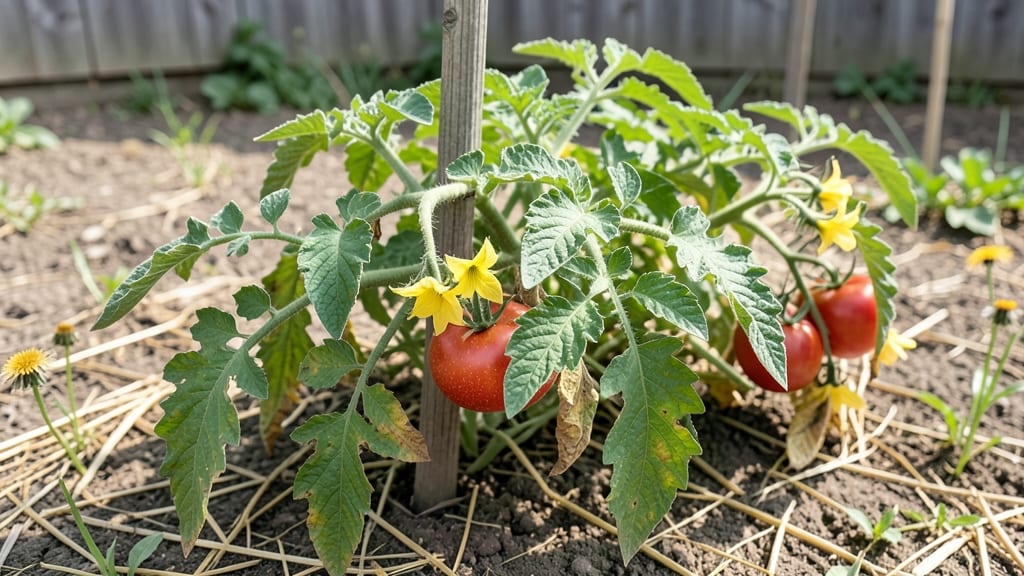
Roman tomato plants aren’t just another heirloom—they’re the flavor bombs of the garden world, with a pest-repelling secret that’ll save your other plants from aphid attacks. 🌱 I’ve grown them for three years now, and the difference in my garden’s health is night and day.
These plants thrive when you give them the right conditions, and the payoff is tomatoes so sweet and meaty they’ll make you question store-bought ones.
First, you’ll need well-draining soil rich in organic matter—think compost mixed into the top 12 inches of your bed. Roman tomatoes love warmth, so wait until after your last frost when soil temps hit 60°F or higher.
They’re indeterminate, meaning they’ll grow tall and sprawl, so plan for 6-8 feet of vertical space or a sturdy cage. Water consistently at the base (not the leaves) to prevent disease, and mulch heavily to keep roots cool and moisture locked in.
Here’s where it gets fun: these plants naturally deter pests like aphids and whiteflies, thanks to their strong scent. Prune regularly to improve airflow, and pinch off suckers to focus energy on fruit production.
By midsummer, you’ll be harvesting pound after pound of tomatoes with that classic Roman sweetness—juicy, balanced, and impossible to resist. The best part? Your other plants will thank you for the pest protection.
Works in containers too, as long as the pot holds at least 5 gallons. Just be ready to stake them early—they grow fast. Start seeds indoors 6-8 weeks before your last frost if you’re not using transplants.
Trust me, once you try Romans, you’ll never go back to bland supermarket tomatoes again.
📚 In This Guide
- What you need
- Instructions
- Tips and common mistakes
- Wrapping up and next steps
What you need
- ● Roman tomato seeds or seedlings: Choose heirloom or hybrid varieties labeled as "Roman" (e.g., Roma or Plum tomatoes). Buy 3–5 plants for a small garden or 6+ plants for larger harvests.
- ● Well-draining potting soil or garden soil: 50 lbs of high-quality, organic soil mix (amend with compost if your soil is clay-heavy).
- ● Container or garden bed: Containers: 5-gallon pots or larger (one per plant) with drainage holes.
- ● Garden bed: A 6-foot-by-6-foot plot (minimum) with full sun exposure (6+ hours/day).
- ● Fertilizer: Balanced organic fertilizer (e.g., 10-10-10 or compost tea) or tomato-specific slow-release granules.
- ● Mulch: 2–3 inches of straw, wood chips, or shredded leaves to retain moisture and deter weeds.
- ● Hand trowel or transplanting spade (for planting seedlings).
- ● Watering can or hose with adjustable nozzle (gentle watering is key!).
- ● Garden gloves (to protect your hands from thorns and soil).
- ● Stakes or cages: 3–4 bamboo stakes or tomato cages per plant (Roman tomatoes can get top-heavy!).
- ● Pruning shears (for trimming suckers and dead leaves).
- ● Companion plants: Basil, marigolds, or nasturtiums (plant near tomatoes to repel pests like hornworms!).
- ● Row covers or netting (to protect young plants from early pests).
- ● pH testing kit (ideal soil pH for tomatoes: 6.2–6.8).
- ● Drip irrigation system (for consistent moisture without overwatering).
- ● Trellis or flutter net (if growing in a small space or windy area).
Step-by-step instructions for growing Roman tomato plants
Here's how to cultivate these pest-resistant powerhouses from seed to harvest.
🌱 Step 1: Start Seeds Indoors 6-8 Weeks Before Last Frost
Fill 4-inch seed-starting pots with the sterile seed-starting mix—pack it lightly but firmly so it holds moisture without compacting. Roman tomatoes need warmth to germinate, so place the pots on a seedling heat mat set to 75-85°F. This ensures strong, fast germination within 5-10 days. I like to label each pot with the variety and date right away—those first sprouts all look the same until they mature.
Plant 2-3 seeds per pot just ¼ inch deep—any deeper and they’ll struggle to reach the light. Cover lightly with extra mix, then mist the surface until evenly damp. Keep the pots in a humidity dome or cover them with plastic wrap to trap warmth. Check daily but resist watering again until the soil feels dry ½ inch below the surface. Overwatering now drowns seeds before they sprout.
☀️ Step 2: Provide Strong Light and Prevent Leggy Growth
The moment those first green leaves appear, move the seedlings under 14-16 hours of bright light daily. A south-facing window works if it’s intense, but most homes need a grow light—I use a full-spectrum LED placed 2-4 inches above the plants. Raise it as they grow to maintain that distance. Without enough light, seedlings stretch toward the source, growing weak and spindly.
You’ll see strong seedlings have thick stems, deep green leaves, and compact spacing between nodes. If stems look thin and leaves are pale, the light’s too weak or too far away. Rotate pots ¼ turn daily so they grow straight instead of leaning. Fertilize lightly with balanced liquid fertilizer (10-10-10) when first true leaves appear—just ½ the recommended dose to avoid burning tender roots.
🪴 Step 3: Harden Off and Transplant After Frost
Two weeks before your last frost date, start hardening off the seedlings. Place them outside in a sheltered, shaded spot for 1-2 hours the first day. Gradually increase time by 1 hour daily, moving them to morning sun by day 5. This toughens their skin so they don’t get sunburned or shocked when planted outdoors. Watch for wilting or yellowing—if it happens, they’re not ready yet.
Transplant after all danger of frost has passed and soil warms to at least 60°F. Bury Roman tomatoes deeper than usual—up to ⅔ of the stem—since they’ll develop roots along buried sections. Space plants 24-36 inches apart in full sun (6+ hours daily). Water deeply right after planting to settle the soil and encourage root growth. Mulch with 2-3 inches of straw to retain moisture and deter pests—Roman tomatoes’ natural resistance shines when they’re healthy and stress-free.
💧 Step 4: Water Deeply and Prune for Airflow
Water deeply 1-2 times per week, aiming for 1-1.5 inches of water total. Let the soil dry 1-2 inches below the surface between waterings—consistent moisture prevents cracking and blossom-end rot. I water in the early morning so foliage dries quickly, reducing fungal diseases. Roman tomatoes handle drought better than most varieties, but don’t push it—wilting flowers mean fewer tomatoes later.
Prune suckers (the small shoots in the leaf axils) weekly to improve airflow and focus energy on fruit production. Remove any leaves touching the soil to prevent disease. You’ll know you’re on track when the plant has 3-4 main stems and strong, upright growth. Avoid heavy pruning late in the season—you want leaves to photosynthesize for those late-season tomatoes.
✂️ Step 5: Harvest and Extend the Season
Pick Roman tomatoes when they’re fully colored and slightly soft to the touch—they ripen off the vine, so harvest early if frost threatens. Cut stems with clean pruners, leaving a ¼ inch of stem attached to prevent rot. Store ripe tomatoes at room temperature for best flavor, or refrigerate unripe ones to finish ripening. I love these for sauces because their meaty, low-seed flesh thickens beautifully.
To extend the harvest, prune back the plant after the first frost kills the foliage. Bury the remaining stem under 6 inches of soil in a protected spot—it’ll often sprout new shoots next spring. Alternatively, dig up the entire plant, pot it, and overwinter it indoors near a bright window. With their pest-resistant genes, Roman tomatoes reward patience with abundant, flavorful yields year after year.
Tips & tricks for perfect Roman tomato plants
These game-changing tips will help you grow thriving, pest-resistant Roman tomatoes that produce bountiful harvests.
Germination Temperature: That 75-85°F range on your seedling heat mat is non-negotiable for Roman tomatoes. If your home stays cooler, consider using a small greenhouse or placing pots on top of your refrigerator. I learned this the hard way after waiting two weeks for germination in a 68°F basement—patience is key, but warmth is everything.
Lighting Strategy: The 14-16 hours of daily light in Step 2 is crucial for preventing leggy seedlings. If your grow light isn't strong enough, supplement with a second LED bulb or move it closer (but never below 2 inches). I rotate my pots daily to ensure even growth—uneven lighting causes plants to lean toward the light source, creating weak stems that can't support heavy tomato fruit.
Transplanting Technique: Burying up to ⅔ of the stem when transplanting might seem counterintuitive, but it works wonders. Those buried sections develop additional roots, creating a stronger plant base. I like to make a small trench around each plant after transplanting and add a handful of compost—this gives roots an extra boost to establish quickly in the garden soil.
Pruning Insight: When you're pruning suckers weekly, focus on removing only the ones growing between the main stem and branches. Leave suckers that grow above the first flower cluster—they can become productive branches. I use clean, sharp pruners and make cuts just above a leaf node to prevent disease entry points. This selective pruning maintains airflow while maximizing fruit production.
Pro Tips for Roman Tomato Plants
- These game-changing tips will help you grow thriving, pest-resistant Roman tomatoes that produce bountiful harvests.
- Germination Temperature: That 75-85°F range on your seedling heat mat is non-negotiable for Roman tomatoes.
- Lighting Strategy: The 14-16 hours of daily light in Step 2 is crucial for preventing leggy seedlings.
Frequently asked questions
about growing and using Roman tomato plants to repel pests in your garden.When is the best time to plant Roman tomatoes for pest control?
Plant Roman tomatoes after the last frost when soil temperatures reach at least 60°F (15°C). For maximum pest-repelling benefits, interplant them with susceptible crops like basil, peppers, or cabbage once they’re 4-6 inches tall. Early planting (April-May in most regions) gives them time to establish strong roots before pests arrive.
How do Roman tomatoes repel pests naturally?
Roman tomatoes emit strong fragrances from their foliage that deter common garden pests like aphids, whiteflies, and even tomato hornworms. Their silver foliage also reflects sunlight, reducing stress on neighboring plants. Plus, their compact growth habit makes them ideal for companion planting in small spaces!
How long does it take for Roman tomatoes to start repelling pests?
Once established (typically 4-6 weeks after transplanting), Roman tomatoes begin releasing pest-repelling compounds. However, for optimal protection, wait until they’ve developed 3-4 sets of true leaves before placing them near vulnerable plants. Patience pays off—stronger plants = better pest control!
Can I use Roman tomatoes as a companion plant for vegetables other than tomatoes?
Roman tomatoes pair well with basil, peppers, cabbage, lettuce, and even carrots. Avoid planting them near corn or fennel, as these can stunt their growth. Their pest-repelling properties make them a versatile ally in any veggie patch.
What should I do if my Roman tomato plant shows signs of pest damage?
If pests like aphids or spider mites attack, spray with a neem oil solution or introduce beneficial insects like ladybugs. Prune damaged leaves immediately to prevent spread. Healthy Roman tomatoes are resilient—focus on keeping soil moist and providing partial shade if needed during heatwaves.
Wrapping up and next steps
Growing Roman tomato plants isn’t just about adding flavor to your garden—it’s a natural way to protect your crops from pests while boosting biodiversity! 🌱 These hardy plants thrive with minimal fuss, making them perfect for both beginners and seasoned gardeners.
Whether you’re aiming for a bountiful harvest or a pest-free paradise, every seed planted is a step toward a healthier, happier garden.
Ready to take the next step? Start small—plant a few Roman tomato seedlings this season and watch your garden transform! Share your progress with fellow gardeners, experiment with companion plants, and enjoy the sweet rewards of a thriving, pest-resistant plot. Happy gardening! 🌿