
Pruning
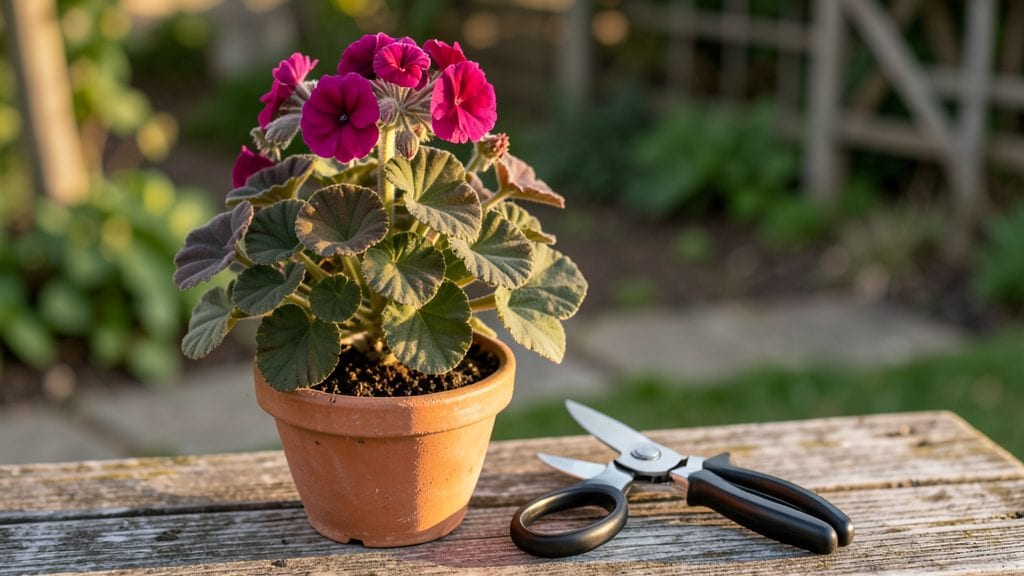
Trimming geranium plants transforms them from leggy, sparse bushes into bursting blooming powerhouses that keep flowering all season. ✨ I learned this the hard way after my first geraniums turned into skinny sticks with just a few flowers—until I discovered the right timing and technique.
The key isn’t just cutting back, but knowing when and how to do it for maximum impact.
The best time to trim geraniums is right after they finish blooming in early summer, then again lightly in late summer to encourage fresh growth. You’ll need sharp pruning shears (dull blades crush stems) and about 10-15 minutes per plant.
Cut just above a leaf node at a 45-degree angle to prevent water from pooling—this simple detail keeps stems healthy and prevents rot.
What you’ll end up with is a full, bushy plant that flowers continuously from spring until frost. The leaves stay vibrant green, the stems thicken, and you’ll have more blooms than you know what to do with—enough to cut flowers for bouquets without sacrificing the plant’s shape.
The secret is balancing aggression (too much cuts back blooms) with precision (too little lets them get leggy).
This method works for both zonal and ivy geraniums, whether you’re growing them in containers, hanging baskets, or garden beds. The only difference is ivy geraniums need slightly less aggressive pruning—they’re more forgiving but still respond beautifully to regular trims.
Let’s get those shears out and turn your geraniums into showstoppers!
📚 In This Guide
- What you need
- Instructions
- Tips and common mistakes
- Wrapping up and next steps
What you need
- ● Sharp bypass pruners (1 pair) – Clean, sterilized blades (7–9 inches) for crisp cuts.
- ● Hand pruners or shears (1 pair) – For smaller stems (3–5 inches).
- ● Disinfectant (70% isopropyl alcohol or bleach solution) – 1:9 ratio (bleach:water) to sterilize tools between cuts.
- ○ Gloves (optional but recommended) – Garden gloves to protect hands from thorns or sap.
- ● Pruning saw (for thick stems only) – 1 small saw (if stems exceed ½ inch in diameter).
- ● Garden twine or rubber bands – For securing large branches during trimming.
- ● Horticultural oil or neem oil – To treat cuts and prevent disease (dilute as directed).
- ● Plant food or fertilizer – Balanced 10-10-10 or slow-release granules for post-trimming recovery.
- ● Compost or mulch – To refresh soil after removing spent foliage.
- ● Spray bottle with water – For misting plants before/after trimming (reduces stress).
Step-by-Step instructions for trimming geranium plants
Here's the foolproof method I use to keep geraniums blooming nonstop—no deadheading stress, just healthy plants.
✂️ Step 1: Time Your First Cut Right After Blooming
Wait until your geraniums have finished their first flush of flowers and the blooms start looking tired. You'll know it's time when at least 70% of flowers have faded and new buds aren't forming. Grab your sharp pruners and make your first cut just above a set of healthy leaves—this is where new growth will sprout.
Don't cut into bare stems. You want to leave at least 2-3 sets of leaves below your cut to feed the new growth. I like to take out about ⅓ of the plant's height in one go—this encourages bushier growth and more flowers. If your geraniums are leggy, you can trim even more aggressively.
✂️ Step 2: Prune for Shape and Airflow Year-Round
After the first major trim, maintain your geraniums by cutting back any leggy stems or overcrowded branches every 4-6 weeks. Look for stems that are growing too long or blocking sunlight from reaching the center of the plant. These are your targets—cut them back to a leaf node where new growth can emerge.
Here's the thing—I always make my cuts at a 45-degree angle, about ¼ inch above a leaf node. This prevents water from pooling on the cut and causing rot. After trimming, I give the plant a light shake to remove any dead leaves or debris that might harbor pests.
✂️ Step 3: Deadhead Regularly to Encourage Nonstop Blooms
Deadheading is the secret to year-round blooms. As soon as you see a flower start to fade, pinch it off with your fingers or snip it with pruners just above the next set of leaves. This redirects the plant's energy from seed production to making more flowers. I do this every 2-3 days during peak blooming season.
Watch for flower stalks that are turning brown or drying out—these are your deadheading targets. If you let too many flowers go to seed, your geraniums will slow down their blooming. Pro tip: I always deadhead in the morning when the plant is hydrated and ready to bounce back quickly.
✂️ Step 4: Give a Late-Season Trim to Prep for Winter
When temperatures start dropping below 50°F at night, it's time for your final trim of the year. Cut back all the stems by half their height, leaving only the strongest, healthiest growth. This helps the plant conserve energy and survive winter better. You'll see new growth sprout in spring from those trimmed stems.
After trimming, I like to give the plant a light feeding with a balanced fertilizer to help it recover. This is also a good time to check for any pests or diseases that might have over wintered in the plant. If you see any issues, treat them now before bringing the plant indoors or covering it for winter.
🌿 Step 5: Maintain Year-Round with Light Trims
Even in winter, geraniums benefit from occasional light trims. If you're growing them indoors or in a protected outdoor space, pinch back any leggy growth every 6-8 weeks to keep the plant compact. This prevents it from becoming too woody and encourages fresh, new growth.
You'll notice that indoor geraniums grow more slowly in winter, so you don't need to trim as aggressively. Just keep an eye out for any stems that are growing too long or looking sparse. A little maintenance now means a stronger, more vibrant plant come spring.
Tips & tricks for perfect geranium trimming
These precision-focused tips will help you keep your geraniums thriving—and blooming—throughout the entire year.
The 70% Rule: In Step 1, when you're waiting for that first major trim, don't rush! The blooms need to reach at least 70% faded before cutting. I've learned the hard way that cutting too early means you're removing healthy flowers that could still produce seeds. Look for those telltale signs: petals curling, color fading, and stems starting to brown. This timing ensures your plant has already redirected energy toward new growth.
Angle Matters: That 45-degree angle in Step 2 isn't just for looks—it's a critical defense against rot. When making your cuts, visualize slicing the stem diagonally about ¼ inch above a leaf node. This angled cut prevents water from pooling on the stem surface, which would otherwise create a perfect environment for fungal infections. Think of it as giving your plant a little raincoat for its cuts!
Deadheading Discipline: The every-2-3-days schedule in Step 3 might seem frequent, but it's what transforms geraniums from occasional bloomers to nonstop flowering machines. I've found that morning deadheading gives plants the whole day to recover and focus on new buds rather than seed production. Pro tip: Use your fingers for small flowers—it's faster than pruners and gives you better control over exactly where you're pinching.
Winter Prep Strategy: When nighttime temperatures dip below 50°F, that final trim in Step 4 is your plant's chance to reset. Cutting back by half might seem drastic, but it's what allows your geranium to focus its remaining energy on developing strong, healthy stems that will burst with growth in spring. This is also the perfect time to do a thorough inspection for any pests that might have over-wintered in the plant's nooks and crannies.
Pro Tips for Trimming Geranium Plants
- These precision-focused tips will help you keep your geraniums thriving—and blooming—throughout the entire year.
- The 70% Rule: In Step 1, when you're waiting for that first major trim, don't rush!
- Angle Matters: That 45-degree angle in Step 2 isn't just for looks—it's a critical defense against rot.
Frequently asked questions
about trimming geranium plants can help you avoid common pitfalls and keep your blooms thriving. Here are answers to the most pressing questions!When is the best time to trim geraniums for maximum blooms?
The ideal time to trim geraniums is early spring (just before new growth starts) and after flowering in late summer or early fall. Avoid heavy pruning in winter—wait until temperatures rise above 50°F (10°C) to prevent shock. Light trims can happen year-round to encourage bushiness!
How much can I cut back geraniums without harming them?
You can safely trim up to one-third of the plant’s height in a single session. For woody geraniums, avoid cutting into old, bare stems—focus on new growth. Deadheading (removing spent blooms) can be done more aggressively, as it redirects energy to new flowers. Pro tip: Use sharp, clean shears to prevent disease!
Can I trim geraniums in hot or cold weather?
Geraniums hate extreme heat or frost. Wait until morning or evening when temps are mild (60–75°F / 15–24°C). Avoid trimming during heatwaves or after a hard frost—stressed plants may struggle to recover. If you must prune in winter, do so in a sheltered spot if outdoors.
What should I do with the cuttings from trimming?
Geranium cuttings root easily! Dip stems in rooting hormone (optional) and plant them in moist potting mix. Keep them in bright, indirect light and mist occasionally. In 2–4 weeks, you’ll have new geraniums ready to transplant. Bonus: Share with friends or propagate for next year’s garden!
Why are my geraniums looking leggy after trimming?
Leggy growth often means too little light or over-pruning. Move your plant to a sunnier spot (geraniums need 6+ hours of sun daily) and reduce trimming frequency. If stems are overly stretched, a light pinch-back (trimming just above a leaf node) can encourage bushier growth.
Wrapping up and next steps
Trimming your geranium plants isn’t just about keeping them tidy—it’s the secret to vibrant, long-lasting blooms and healthier growth! With the right tools, timing, and techniques, you’ll turn pruning into a rewarding ritual that pays off all season.
Now that you’re armed with expert tips, grab those shears and get ready to shape your garden’s star performers—your geraniums will thank you with bursts of color all year round! 🌸✂️
Ready for more? Experiment with deadheading or try propagating cuttings to expand your geranium collection—your green thumb is just getting started!