
How To
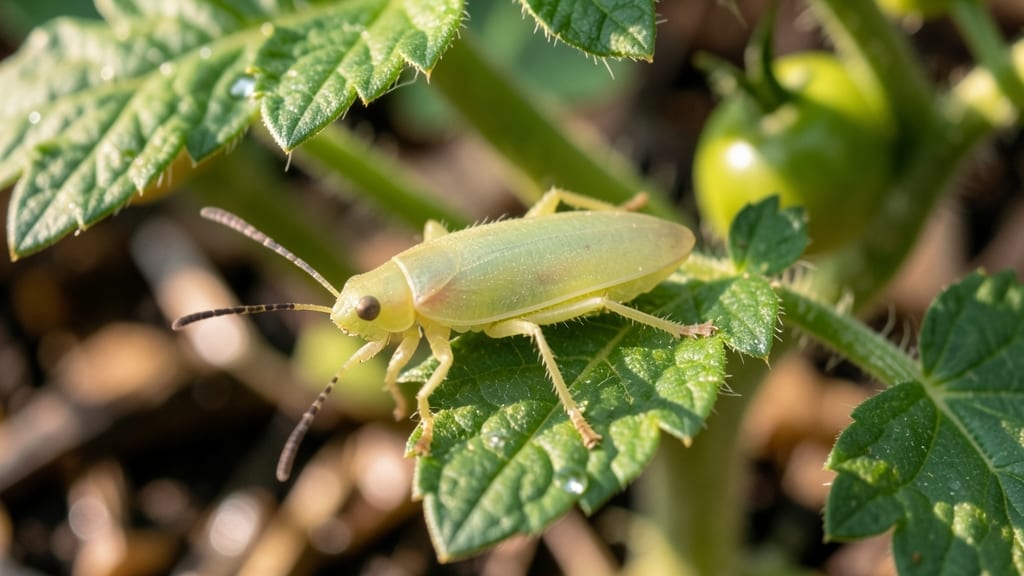
Removing aphids from tomato plants starts with a neem oil spray that works faster than you’d expect—often within 24 hours if you catch them early.
I’ve seen these tiny pests drain sap, curl leaves, and even stunt growth, but a few targeted sprays can turn things around before the damage gets worse. The key is acting quickly and using the right mix of methods.
Neem oil isn’t just a spray—it’s a disruptor of aphid life cycles. Mixed with water and a drop of dish soap, it coats their bodies, stops feeding, and knocks them off plants within hours.
But don’t stop there: pair it with a strong stream of water to blast off clusters, and introduce ladybugs or lacewings to finish the job naturally. The best part? Your tomatoes won’t taste like chemicals afterward.
By morning, you’ll notice fewer aphids clinging to stems, and new growth will look fresh and vibrant again. The plants bounce back faster than you’d think, especially if you repeat the spray every 3-5 days until the infestation is gone.
Prevention is easier than cleanup—check undersides of leaves weekly, and you’ll catch outbreaks before they spread.
This method works for greenhouse tomatoes, container plants, and in-ground gardens alike. Even if aphids return, you’ll know exactly how to handle them—no more helplessly watching your harvest suffer. Let’s get those plants back on track.
Root Causes of Aphid Infestations
Aphids don’t just appear—they’re drawn to tomato plants by a mix of environmental, biological, and even human factors. Understanding these triggers is the first step to stopping them before they take over your garden.
Let’s break down the science behind why these tiny pests target your tomatoes like an all-you-can-eat buffet.
Aphids thrive where plants are weak, and overcrowding creates the perfect storm. When tomato plants compete for sunlight, water, and nutrients, their phytohormones (natural plant chemicals) shift, releasing volatiles—odorless signals that aphids detect from up to 30 feet away.
These compounds act like a dinner bell, luring aphids to feast on stressed foliage.
- Why it happens:
- Shade stress: Dense planting blocks sunlight, weakening leaves and reducing chlorophyll production, making them sweeter (and more appealing) to aphids.
- Root competition: Overcrowded roots struggle to absorb water and nutrients, leading to stunted growth and softer stems—ideal for aphid colonization.
- Poor air circulation: Humid, stagnant air traps aphids and their honeydew (a sticky byproduct that attracts ants, which protect aphids in exchange for sugar).
Actionable insight: Space tomato plants 18–24 inches apart and prune lower leaves to improve airflow. Healthy plants = less aphid buffet.
Aphids aren’t picky eaters, but they do have preferences. Tomato plants emit specific chemical cues that aphids find irresistible, especially when: - New growth appears: Young, tender leaves and shoots are packed with sugary sap, which aphids love.
Their saliva contains enzymes that break down plant cells, making the sap even more nutritious. - Honeydew buildup: Once aphids start feeding, their honeydew (a mix of sugars and amino acids) fertilizes fungal growth like sooty mold, which further stresses the plant and signals more aphids to arrive.
Science deep dive: Aphids use antennal sensors to detect green leaf volatiles (GLVs)—compounds released when tomato leaves are damaged. These same signals are used by parasitic wasps to find hosts, but aphids exploit them first.
Pro tip: 🌡️ Heat stress (temperatures above 85°F) can make tomato leaves more attractive to aphids. Mulch with straw to regulate soil temperature and reduce stress signals.
Aphids aren’t lone wolves—they’re part of a symbiotic ecosystem that includes: - Ants: Some ant species (Lasius and Monomorium genera) farm aphids like cattle, herding them to protected areas (like the undersides of leaves) and drinking their honeydew.
In exchange, they protect aphids from predators. - Whiteflies and spider mites: These pests often co-infest tomato plants, creating a feedback loop where their waste products (like honeydew) further stress the plant, making it more vulnerable.
How it spreads:
- Ant trails can carry aphids across your garden in just days.
- Wind and water: Aphids hitch rides on breezes or rain splashes, landing on nearby plants.
Defense strategy: 🔥 Disrupt the ant-aphid relationship by:
- Setting out borax or diatomaceous earth near trails (ants avoid it).
- Using yellow sticky traps to intercept winged aphids before they land.
Aphids are cold-blooded and multiply rapidly when conditions are ideal:
- Mild winters: If temperatures stay above 50°F, aphids survive and reproduce every 7–10 days (vs. 30+ days in cold climates).
- Dry, warm springs: Low humidity weakens tomato plants while making them more sugary—a double aphid attractant.
- Monsoon-like rains: While rain can wash away some aphids, it also washes away natural predators (like ladybugs) and leaves plants nutrient-deficient, making them easier targets.
Seasonal pattern:
| Season | Aphid Risk Level | Why? |
|---|---|---|
| Early spring | ⚠️ High | New growth is tender; predators (like lacewings) are still dormant. |
| Late summer | 🔥 Extreme | Heat-stressed plants release more attractant chemicals. |
| Fall | ⚠️ Moderate | Cooler temps slow reproduction, but honeydew attracts fungi. |
Quick fix: 💡 Shade cloth (30–50%) during peak heat can reduce stress signals and deter aphids.
Even the best gardeners accidentally create aphid magnets. Common culprits: - Over-fertilizing with nitrogen: Lush, soft growth is aphid catnip. Too much nitrogen = more aphid food. - Ignoring beneficial insects: Introducing praying mantises or ladybugs too late?
Aphids will move in first. - Bringing in infested plants: Aphids hide in leaf axils or on stems of nursery-bought tomatoes. Always quarantine new plants for 2 weeks.
Avoidable trap: 🚫 Avoid broad-spectrum pesticides—they kill aphids and their natural predators, leading to rebound infestations within weeks.
Quick Fixes for Aphid-Infested Tomatoes
Aphids may be tiny, but their damage adds up fast—sticky honeydew, curled leaves, and weakened plants can turn your tomato harvest into a disappointment. The good news? You don’t need toxic chemicals to win this battle.
Below, we’ll break down targeted solutions based on the root cause of your aphid problem, from gentle DIY fixes to proactive prevention. Let’s reclaim those tomato plants! 🍅✨
Aphids thrive where plants are weak, often targeting overcrowded or nutrient-starved tomatoes. If your garden looks like a jungle, it’s time to thin out the foliage and give your plants room to breathe.
🔥 Step 1: Prune the Problem Areas
- Use clean, sharp pruners (disinfect with rubbing alcohol) to snip off heavily infested leaves or stems.
- Focus on new growth tips—aphids love tender shoots.
- Remove yellowing or curled leaves (a sign of stress or infestation).
🍳 Step 2: Boost Plant Health
- Fertilize lightly with a balanced, organic fertilizer (like 5-5-5) to strengthen roots.
- Water at the base (not overhead) to avoid encouraging fungal diseases or attracting more pests.
💡 Pro Tip: If aphids keep returning, your plants may be nitrogen-deficient—try a quick fix with compost tea or fish emulsion.
Aphids are squishy and hate strong currents. If you’ve spotted clusters on stems or undersides of leaves, physical removal is your first line of defense.
👨🍳 Step 1: The Power of Water
- Spray them off with a strong stream of water from a hose (early morning works best).
- For stubborn clusters, scrub leaves gently with soapy water (1 tsp mild dish soap per gallon of water).
🥘 Step 2: Manual Removal (For Small Gardens)
- Wear gloves and pluck aphids off by hand, dropping them into soapy water.
- Check new growth daily—aphids multiply fast!
⚠️ Warning: Avoid knocking off beneficial insects (like ladybugs) while doing this—they’re your future pest-control allies!
Honeydew (aphid poop) attracts ants and promotes sooty mold, which blocks sunlight. If your tomato leaves look glossy and blackened, it’s time to disrupt the aphid buffet.
🔪 Step 1: Wipe Down Leaves
- Use a soft cloth or sponge dipped in water + a drop of vinegar to clean sticky residue.
- For heavy mold, mix 1 tbsp baking soda + 1 tsp dish soap per gallon of water and spray lightly (test on one leaf first).
🌡️ Step 2: Trap Ants (If Present)
- Ants "farm" aphids for honeydew. Block their access with:
- Tanglefoot (sticky barrier) on tree trunks or stems.
- Diatomaceous earth (food-grade) around the base of plants (reapply after rain).
🎯 Prevention Hack: Plant mint or basil nearby—aphids dislike their scent, and it may deter ants too!
When aphids stage a full takeover, homemade sprays can knock them out in 24–48 hours. Here are the top 3 DIY recipes (test on a small area first):
| Spray Recipe | How to Make It | How to Apply | Reapply? |
|---|---|---|---|
| Neem Oil Spray | 1 tbsp neem oil + 1 tsp mild soap + 1 quart water | Spray evenly (undersides too) at dusk | Every 5–7 days |
| Garlic Pepper Spray | 1 chopped garlic bulb + 1 tsp cayenne + 1 quart water (steep 24 hrs) | Strain, add 1 tsp soap, spray directly on aphids | Every 3–4 days |
| Insecticidal Soap | 2 tbsp castile soap + 1 quart water | Spray until leaves glisten (avoid hot sun) | Every 2–3 days |
✨ Bonus: Add a few drops of dish soap to any spray to help it stick better to aphids.
Ladybugs, lacewings, and parasitic wasps love eating aphids. If you can, encourage them to move in:
- Plant companion flowers like dill, fennel, or marigolds to attract beneficial insects.
- Avoid broad-spectrum pesticides—they kill aphids and their predators.
- Leave some aphids (if the infestation is mild)—it gives ladybugs a food source to stick around.
The best defense is a healthy, aphid-unfriendly garden. Here’s how to future-proof your tomatoes:
- Rotate crops yearly to disrupt aphid life cycles.
- Use reflective mulch (like aluminum foil) to confuse aphids (they dislike bright surfaces).
- Plant resistant varieties like ‘Mountain Merit’ or ‘Defiant PhR’ tomatoes.
- Inspect new plants before bringing them home—quarantine for a week if needed.
Final Thought: Aphids may be persistent, but with quick action + smart prevention, your tomato plants will bounce back stronger. Start with one or two methods today, and watch those pests disappear faster than you thought possible! 🚀🌱
Frequently asked questions
How often should I spray neem oil on tomato plants?
Apply neem oil every 5-7 days until the aphids disappear. Always spray in the evening to avoid harming bees and other beneficial insects. Stop treatment once you see no new aphids for 2-3 weeks—this ensures their eggs don't hatch.
Will dish soap really kill aphids, or just wash them off?
Dish soap doesn't just wash aphids away—it disrupts their protective wax layer, causing dehydration. Mix 1 teaspoon mild soap per gallon of water and spray directly on infested areas. Reapply every 2-3 days for best results, but avoid using it during hot sun to prevent leaf burn.
Can I use vinegar to get rid of aphids?
White vinegar can help as a contact killer, but it's not a standalone solution. Mix 1 part vinegar to 3 parts water and spray directly on aphids. The acidity burns them, but it won't prevent new infestations. For best results, combine it with neem oil or insecticidal soap and reapply every 3-4 days.
Why do aphids keep coming back even after I treat them?
Rebound infestations often happen because you're killing adult aphids but missing eggs. Aphids lay hundreds of eggs that hatch in 7-10 days. To break the cycle: rotate treatments (neem oil one week, soapy water the next), remove heavily infested leaves, and introduce ladybugs to eat the new hatchlings.
Are there any aphid-resistant tomato varieties I should plant next season?
Yes! Consider 'Mountain Merit' or 'Defiant PhR' varieties, which are bred to resist aphids and other pests. For heirlooms, 'Cherokee Purple' shows better natural resistance than many varieties. Always quarantine new plants for 1-2 weeks before adding them to your garden to prevent introducing hidden pests.