
Blooming
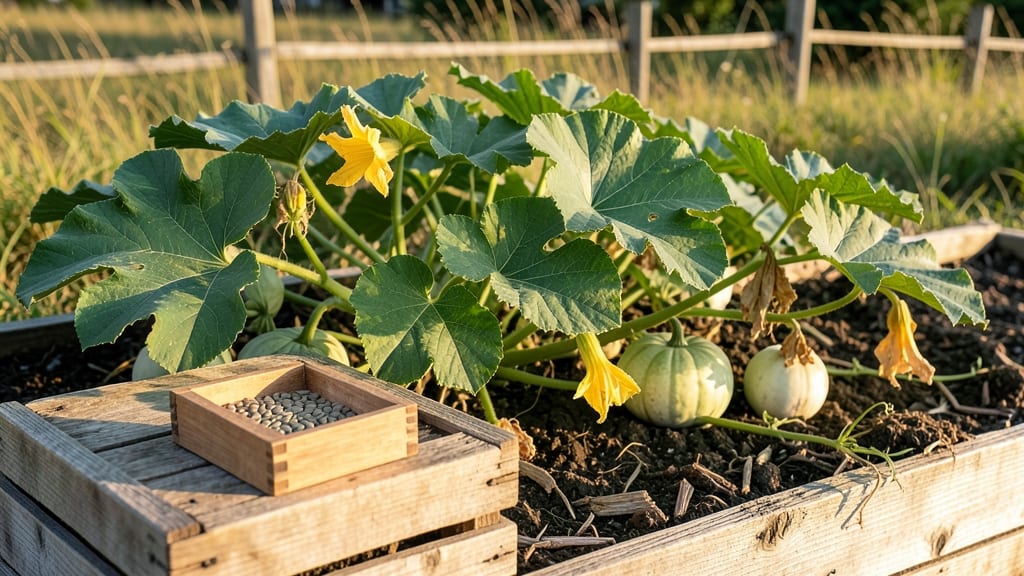
How long can you keep pumpkin seeds for planting—and the answer might surprise you, since they can last up to 5 years if stored right. 🌱 I learned this the hard way after my first batch of seeds sprouted weakly after just two years. years in the pantry.
The secret isn’t just any container; it’s controlling moisture, temperature, and air flow to keep those seeds ready for spring planting.
You’ll need a cool, dark spot—think basement or fridge—not a sunny windowsill. A sealed glass jar with a desiccant packet (or even a silica gel packet) keeps humidity low, while paper envelopes let seeds breathe better than plastic.
Label everything with the date so you know which seeds to plant first—older seeds still germinate, but younger ones perform better.
Before planting, test a few seeds by wrapping them in a damp paper towel and waiting 7-10 days. If most sprout, your stash is still good. Fresh seeds (under 2 years old) often germinate faster, but even older ones can surprise you.
The key is patience—seeds stored right won’t let you down when spring rolls around.
This method works for all pumpkin varieties, from giant jack-o’-lanterns to tiny sugar pies. Whether you’re saving seeds from your fall harvest or stocking up for next year, proper storage turns a seasonal chore into a year-round gardening advantage. Let’s make those seeds last!
📚 In This Guide
- What you need
- Instructions
- Tips and common mistakes
- Wrapping up and next steps
What you need
- ● Fresh pumpkin seeds: Harvest seeds from fully ripe, healthy pumpkins (aim for organic, non-hybrid varieties for best results). You’ll need about 100–200 seeds per storage batch.
- ● Paper towels or coffee filters: 2–3 sheets to dry seeds thoroughly.
- ● Air-tight containers: Small jars (like mason jars), resealable plastic bags with zip locks, or food-grade silica gel packets (for extra dryness). Choose containers that fit 1–2 cups of seeds max.
- ● Fine-mesh strainer or colander: For rinsing seeds gently.
- ● Labeling supplies: Masking tape + permanent marker (to note seed type and date).
- ○ Optional but helpful: Desiccant packets (like those in shoe boxes) to absorb moisture.
- ● Small plastic bags with zip-top closures for individual seed backups.
- ● Humidity indicator cards (to monitor storage conditions).
- ● Cool, dark, and dry storage space: Ideal temp range is 35–50°F (2–10°C) (e.g., fridge, basement, or root cellar). Avoid humidity or direct sunlight!
- ● Patience: Seeds need 1–2 weeks to dry fully before storage.
- ● Knowledge of seed viability: Most pumpkin seeds stay viable for 4–5 years if stored properly—test germination every 2 years!
Step-by-Step guide to storing pumpkin seeds for planting
Here's how to preserve pumpkin seeds so they stay viable for planting year after year.
🪴 Step 1: Harvest and Clean the Seeds Properly
Remove seeds from fully mature pumpkins—those with hard, dry rinds—and wash off any remaining pulp. Spread them on a paper towel to dry completely for 2-3 days in a warm, dry place. I place mine near a sunny window but not in direct sunlight, which can overheat them. The goal is 100% dryness—seeds should feel light and brittle when rubbed between fingers.
If you skip drying, moisture trapped in the seed coat triggers mold and rot. Store damp seeds, and you'll lose germination rates faster than if you'd just planted them fresh. Once dry, I like to separate the seeds from the stringy fibers by hand—it's easier than using water and gives me cleaner seeds for storage.
💧 Step 2: Choose the Right Storage Method
For short-term storage (1 year), place seeds in a paper envelope or breathable cloth bag and keep them in a cool, dark place like a pantry. I label each bag with the pumpkin variety and harvest date—this helps track viability over time. The key is maintaining a consistent temperature between 40-50°F and low humidity.
For long-term storage (2-5 years), switch to airtight containers like glass jars or ziplock bags with all air removed. I add a desiccant packet to absorb any lingering moisture. Store these in the refrigerator or freezer—the colder, the better for preserving viability. Freezing actually extends seed life to 10+ years if done correctly.
☀️ Step 3: Test Germination Before Planting
Before using stored seeds, perform a simple germination test: place 10 seeds between damp paper towels in a sealed bag. Keep them in a warm, dark place (70-80°F) for 5-7 days. Check daily—seeds that sprout within this timeframe are still viable. If 50% or more germinate, your seeds are good to plant.
If fewer than half sprout, reduce planting quantities or consider saving fresh seeds from this year's crop. I've had seeds last 6 years in the freezer with 80% germination, but older seeds may need scarification (lightly sanding the shell) or a longer soak to break dormancy.
⏰ Step 4: Maintain Ideal Storage Conditions
Check stored seeds annually for signs of moisture, pests, or mold. If you find any, discard those seeds immediately—they'll compromise the whole batch. I store my long-term seeds in vacuum-sealed bags with oxygen absorbers to prevent spoilage. Even small amounts of moisture can cut viability in half over time.
Never store seeds in the freezer without proper packaging—condensation forms when you move them to room temperature, ruining them. Instead, use airtight containers and keep them at a steady 32°F or below. This slows metabolic activity, preserving the seed's energy reserves for germination.
🌱 Step 5: Know When to Refresh Your Seed Supply
After 5 years of storage, even under ideal conditions, pumpkin seeds lose viability. I replace my oldest seeds with fresh ones every 3-4 years to ensure strong germination. Fresh seeds also produce healthier, more vigorous plants—something you'll notice in leaf size and disease resistance.
If you're saving heirloom varieties, consider planting a few extra seeds each year and drying them for backup. This way, you always have a fresh, high-germination batch available. I keep a small jar of the current year's seeds in the pantry as my "emergency stash" for next season.
Tips & tricks for perfect pumpkin seed storage
These simple strategies will help you maximize the lifespan of your pumpkin seeds for planting season after season.
Drying is Non-Negotiable: The 2-3 day drying period in Step 1 is absolutely critical—don't rush it! I've learned the hard way that even slightly damp seeds develop mold within weeks. Place them in a single layer on paper towels and check daily. If they still feel damp after 3 days, extend the drying time. You'll know they're ready when they rattle when shaken in their container.
Storage Temperature Matters: Maintaining that 40-50°F range for short-term storage is key to preserving viability. If your pantry gets warmer, consider a basement or root cellar. For long-term storage, colder is always better—the freezer at 32°F can extend seed life to 10+ years, but only if you use proper airtight containers. I've seen seeds stored at room temperature lose viability in just 1-2 years.
Container Choice Makes a Difference: Paper envelopes work for short-term storage, but for anything beyond 1 year, switch to airtight containers. Mylar bags with oxygen absorbers are my top recommendation—they create a vacuum seal that prevents moisture and oxygen from degrading the seeds. Just make sure to remove all air before sealing. I've had seeds last twice as long using this method compared to regular ziplock bags.
Labeling System Saves You: Trust me on this—label every storage container with the pumpkin variety and harvest date. I've had to discard seeds I couldn't identify after 3 years because they were mixed with older varieties. Use a permanent marker on containers or include a small label inside paper envelopes. This simple habit prevents costly mistakes when you're ready to plant.
Pro Tips for How Long Can You Keep Pumpkin Seeds For Planting
- These simple strategies will help you maximize the lifespan of your pumpkin seeds for planting season after season.
- Drying is Non-Negotiable: The 2-3 day drying period in Step 1 is absolutely critical—don't rush it!
- Storage Temperature Matters: Maintaining that 40-50°F range for short-term storage is key to preserving viability.
Frequently asked questions
Got questions about storing pumpkin seeds for planting? You’re not alone! Here are some of the most common concerns—and their answers—to help you maximize your seeds’ potential.
How do I know if my stored pumpkin seeds are still good for planting?
Test viability by placing 10 seeds in a damp paper towel, sealing them in a bag, and storing them in a warm spot for 5–7 days. If at least 50% sprout, they’re still viable! For older seeds, soak them overnight in water before planting to check for mold or softness.
Can I store pumpkin seeds in the fridge or freezer for longer shelf life?
Yes! While room-temperature storage works for 1–2 years, refrigerating seeds (in an airtight container with silica gel) can extend viability to 3–5 years. Freezing is even better—seeds can last up to 10 years if kept dry and cold. Just thaw them slowly before planting.
What’s the best time of year to store pumpkin seeds for next season?
Harvest seeds when the pumpkin is fully ripe (skin turns hard) and store them immediately after cleaning and drying (3–5 days at room temp). Storing them in late fall or winter ensures they’re fresh for spring planting, when germination rates are highest.
What can I do if my seeds won’t sprout after long-term storage?
Try these fixes: Soak seeds overnight to rehydrate, scarify them (lightly sand the shell), or stratify (mimic winter cold) by chilling them for 2 weeks. If all else fails, order fresh seeds—sometimes age just beats them!
Are there any alternatives to storing seeds if I don’t have the right containers?
No problem! Use glass jars (with tight lids), ziplock bags (squeeze out air), or even small paper envelopes (label clearly). Avoid plastic bins—moisture buildup ruins seeds. Just keep them in a cool, dark, dry place until planting time.
Wrapping up and next steps
So, whether you're saving seeds from last year’s pumpkin or stocking up for spring planting, proper storage is your secret weapon! With the right conditions—cool, dry, and dark—your pumpkin seeds can stay viable for years, giving you a head start on growing your own harvest. 🌱
Now that you know the tricks, grab those seeds and get planting—or share your newfound wisdom with fellow gardeners. Happy growing!