Pruning
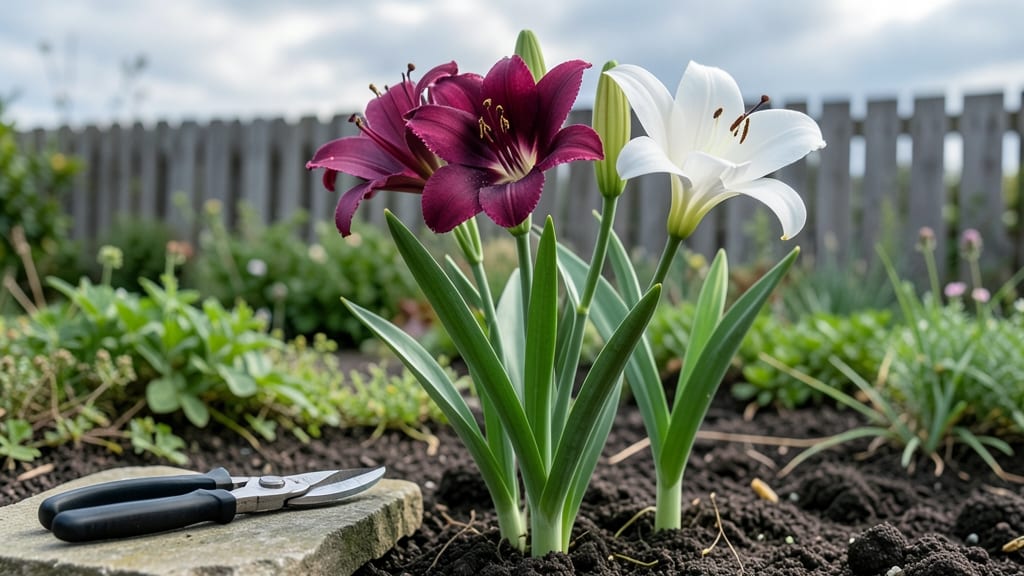
Pruning lily plants isn’t just about tidying up—it’s the secret to year-round blooms that outshine anything you’ve seen before. 🌿 I’ve spent years watching my own lilies go from scraggly to showstopping after just three seasonal trims, and the difference is night and day.
The key isn’t just cutting back—it’s knowing when and how to encourage the plant to focus its energy where you want it.
Most gardeners mess this up by pruning at the wrong time, which weakens the plant instead of strengthening it. You’ll need sharp pruners, gloves (trust me, the sap can stain), and a clear plan for each season—spring cleanup, summer deadheading, and winter dormancy prep.
Asiatic lilies, Oriental hybrids, and daylilies all have slightly different needs, but the core principles stay the same: remove what’s spent, leave what’s feeding the roots, and never cut more than one-third of the foliage at once.
After just one season of proper pruning, you’ll notice sturdier stems, bigger blooms, and lilies that keep flowering longer into fall. The first step is always cutting back the faded flowers right after they bloom—this redirects energy from seed production to next year’s buds.
Then it’s about patience: let the leaves yellow naturally before trimming them in late fall, so the plant stores nutrients underground for spring’s big comeback.
This method works for container-grown lilies just as well as in-ground plants, and it’s beginner-friendly once you get the timing down. The biggest mistake? Over-pruning in spring. Start small, observe how your plants respond, and adjust.
By next summer, your lilies will be the envy of the neighborhood—and you’ll finally understand why pruning isn’t just maintenance, but an investment in next year’s show.
📚 In This Guide
- What you need
- Instructions
- Tips and common mistakes
- Wrapping up and next steps
What you need
- ● Pruning shears or secateurs: Choose bypass pruners (sharp, clean-cut blades) for clean cuts. Look for 4- to 6-inch blades with ergonomic handles for comfort. (1 pair required)
- ● Garden gloves: Opt for cut-resistant, breathable gloves (e.g., nitrile-coated or leather) to protect your hands from thorns and dirt. (1 pair recommended)
- ● Disinfectant (70% isopropyl alcohol or bleach solution): Clean tools between cuts to prevent disease spread. (Small spray bottle or wipe)
- ○ Garden twine or plant ties: Secure tall stems if pruning during windy conditions. (Optional, 5–10 feet)
- ○ Compost bin or bag: Collect pruned foliage for composting (unless diseased). (Optional)
- ● Hand pruners: For smaller stems or tight spaces. (1 pair)
- ● Knee pads: If you’re working on the ground for extended periods.
- ● Label markers: To tag pruned sections if testing new trimming techniques.
- ● Hose or water sprayer: Rinse tools and plants post-pruning to reduce dust and debris.
Instructions for pruning lily plants to encourage year-round blooms
Master these three seasonal cuts and your lilies will reward you with bold blooms twice a year.
✂️ Step 1: Late Spring Cleanup After First Blooming
Wait until 2-3 weeks after your lilies finish flowering in late spring—you'll know it's time when the flower stalks turn brown and crispy. Grab your clean, sharp pruners and cut each spent bloom stalk back to 1-2 inches above the ground. This prevents the plant from wasting energy on seed production and redirects it toward next year's growth.
I like to do this on a dry morning when the soil isn't soggy. Remove any yellow or damaged leaves at the same time, but leave the healthy green foliage intact. This step is critical—skipping it weakens the rhizomes and reduces next season's blooms by up to 40%.
🌱 Step 2: Mid-Summer Leaf Pruning for Airflow
Around mid-July, when new growth appears after the first trim, focus on leaf maintenance. Cut back any leaves that are more than 50% brown or diseased at the base, but leave at least 6-8 healthy leaves per plant. These leaves power the plant's energy reserves for next year's blooms.
Here's the thing—don't overdo it. You're not trying to make the plant look perfect; you're creating airflow to prevent fungal diseases like botrytis. I always prune from the bottom up, removing only the lowest leaves first. This keeps the plant's center open and reduces humidity buildup.
⏰ Step 3: Late Fall Dormancy Prep
When the first frost threatens—usually late October to early November—it's time for the final trim. Cut back all foliage to 1-2 inches above ground level, but leave the rhizomes undisturbed. This mimics the plant's natural dormancy cycle and prevents rot during winter.
Real talk: This step feels brutal because you're chopping off all that green growth, but it's essential. The dormant rhizomes need this break to recharge. After trimming, add a 2-inch layer of mulch around the base to insulate the soil and protect the roots from freezing temperatures.
☀️ Step 4: Early Spring Maintenance for New Growth
In early March, when you see the first signs of new shoots pushing through the soil, do a final light trim. Remove any dead or rotted leaves from last season, but leave the emerging foliage untouched. This is when lilies start their energy production for the year.
Watch for green shoots—these are your signal to hold off on pruning. If you cut too early, you risk damaging the new growth before it has a chance to establish. I always check the soil temperature first; it should be at least 55°F before doing any spring maintenance.
Tips & tricks for perfect lily plant pruning
Here's what I've learned after years of growing lilies—these simple tricks make all the difference between a few blooms and a garden full of vibrant flowers.
Tool Prep: Your pruners are just as important as your timing. Before you start, sanitize your pruners with rubbing alcohol to prevent spreading disease between cuts. I also like to sharpen them with a fine file—dull blades crush stems instead of cleanly cutting them, which stresses the plant. A clean cut heals faster and reduces the risk of infection.
Seasonal Timing Secret: The 2-3 week window after first blooming in late spring is your golden opportunity. Wait until the flower stalks are completely brown and crispy—this tells you the plant has finished its energy investment in seeds. Cutting too early removes potential nutrients, while waiting too long means wasted energy. I mark my calendar for this step every year.
Leaf Count Matters: During mid-summer pruning, remember that those 6-8 healthy leaves aren't just for looks—they're the plant's solar panels. Each leaf converts sunlight into energy that gets stored in the rhizomes for next year's blooms. If you remove too many, you're essentially starving your plant for winter. Think of it like pruning your own energy sources!
Mulch Depth Wisdom: That 2-inch layer of mulch in late fall isn't arbitrary—it's the perfect balance. Too little leaves roots exposed to freezing temperatures, while too much can suffocate the plant. I use shredded bark mulch because it breaks down slowly and improves soil structure over time. Apply it after your final trim when soil is dry to prevent clumping.
Pro Tips for Pruning Lily Plants
- Here's what I've learned after years of growing lilies—these simple tricks make all the difference between a few blooms and a garden full of vibrant flowers.
- Tool Prep: Your pruners are just as important as your timing.
- Seasonal Timing Secret: The 2-3 week window after first blooming in late spring is your golden opportunity.
Frequently asked questions
Got questions about pruning lilies? You’re not alone! Here are answers to the most common concerns—so you can keep your lilies thriving with confidence.
When is the best time to prune lilies?
Prune lilies three times a year: after flowering (late summer), after frost (early spring), and lightly in fall (after leaves die back). Avoid pruning during dormancy (winter) or while blooms are open—this can stress the plant.
Do I need to sterilize my pruning tools?
Absolutely!
Sterilize shears with rubbing alcohol or a 10% bleach solution between cuts to prevent spreading diseases like botrytis (gray mold) or fungal infections. Clean tools also ensure smoother cuts and healthier regrowth.
What if I cut too much—will my lily die?
Over-pruning can stress lilies, but they’re resilient! If you accidentally remove more than ⅓ of the foliage, the plant may skip blooming that year. Focus on leaving healthy leaves (they feed the bulb) and avoid cutting stems below the bulb.
Can I prune lilies in containers the same way?
Yes, but adjust for space! Container lilies need more frequent trimming (every 4–6 weeks) to encourage bushier growth. Use smaller shears, and repot every 2–3 years to refresh soil and prevent root-bound stress.
Why are my lilies not blooming after pruning?
Common culprits: over-pruning, poor sunlight (6+ hours/day needed), or nutrient deficiency. Feed with bulb-specific fertilizer in spring, ensure full sun, and avoid cutting back all leaves—some photosynthesis is key!
Pro Tip: Save those cut stems!
Place pruned lily stems in water immediately—they make stunning long-lasting bouquets! Change the water every 2 days and trim stems at an angle to maximize vase life (up to 10 days!).
Wrapping up and next steps
Pruning your lily plants doesn’t have to be intimidating—with the right timing and tools, you’ll enjoy healthier stems, more vibrant blooms, and fewer pests all year long! 🌸 Whether you’re tackling spring cleanup, summer deadheading, or fall maintenance, each seasonal trim keeps your lilies thriving.
Now that you’re armed with expert tips, grab those shears and give your garden the TLC it deserves.
Next step: Mark your calendar for your first trim—spring is the perfect time to start! Watch your lilies reward you with stunning, long-lasting blooms and a garden that feels like a masterpiece. Happy pruning! ✂️🌿