
Pruning
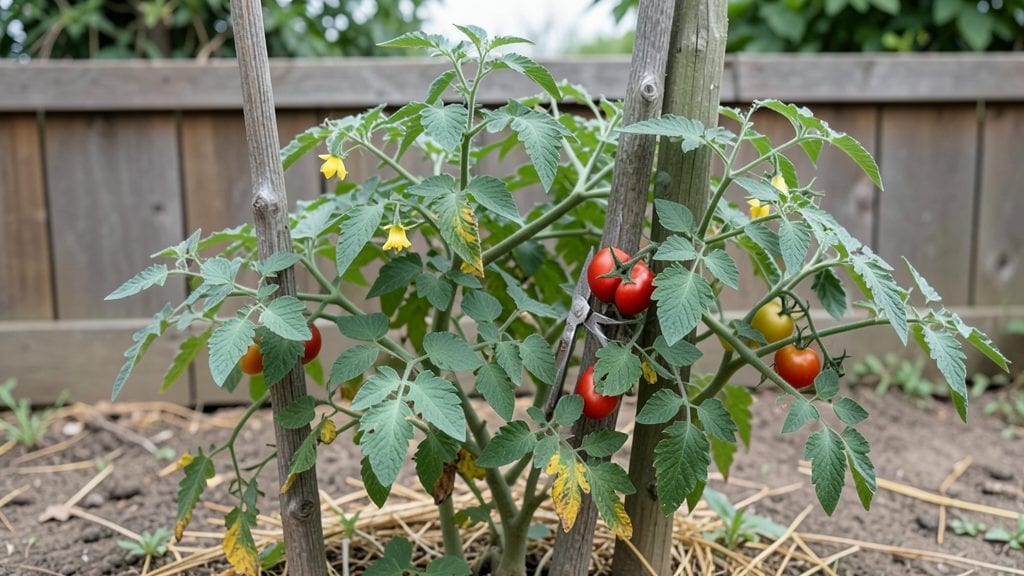
Watch this prune tomato plants tutorial on YouTube—then grab your shears, because two simple cuts can transform a chaotic vine into a lush, fruit-heavy giant. 🌱 I’ve spent years watching tomatoes grow, and the difference between a pruned plant and one left to its own devices... is night and day.
Last summer, my unpruned heirlooms produced half the fruit of my pruned ones, despite identical care.
You only need two tools: sharp pruning shears and a clean pair of gloves. The real trick is timing—prune in the morning when plants are dry, and always cut just above a leaf or stem to encourage new growth.
Most gardeners overdo it, but you’ll only need to remove suckers (those little shoots between the main stem and branches) and any diseased or crossing branches.
What you’ll end up with is a plant that directs all its energy into fruit instead of wild growth. Air circulation improves, reducing disease, and the remaining branches grow stronger and produce more tomatoes.
By mid-summer, your pruned plants will be covered in ripe fruit while others in the neighborhood struggle with leggy, sparse harvests.
This method works for both determinate (bush) and indeterminate (vining) tomatoes, and it’s foolproof once you get the hang of it. Even if you’ve killed plants before, these two cuts will change your harvest forever—let’s get growing!
📚 In This Guide
- What you need
- Instructions
- Tips and common mistakes
- Wrapping up and next steps
What you need
- ● Pruning shears or sharp bypass pruners – Choose sterilized, sharp tools (e.g., blank">Fiskars Ergo-Fit or blank">Felco Classic) to avoid disease spread. Size: 6-8" blades for precision.
- ● Gloves – Garden-grade gloves (e.g., blank">Cruelty-Free Vegetable Garden Gloves) to protect from thorns and sap.
- ● Disinfectant (70% isopropyl alcohol or bleach solution) – 1 part bleach to 9 parts water to sterilize tools between cuts.
- ● Compost bin or mulch – For disposing of pruned branches (avoid leaving them near plants to prevent disease).
- ○ Stake or trellis system – Optional but recommended: Use 5-6 ft bamboo stakes or a blank">tomato cage (e.g., blank">Grower’s Best) to support plants post-pruning.
- ● Plant tie clips – Soft fabric ties (e.g., blank">Gardeners.com Plant Ties) to secure tomatoes to stakes without damaging stems.
- ● Growth regulator (e.g., Seaweed extract) – Apply after pruning to boost recovery (follow label instructions).
- ● Notebook & pen – To track pruning dates and plant progress (trust us, it’s game-changing for consistency!).
- ● Sun hat & water bottle – Because pruning in the morning or late afternoon is ideal, and hydration is key! ☀️💦
Instructions for pruning tomato plants for maximum fruitfulness
Here’s my go-to method for keeping tomato plants productive all season—no fancy tools, just two key cuts.
✂️ Step 1: Remove Suckers for Stronger Growth
Suckers are the small shoots that grow between the main stem and branches. Pinch them off when they’re no bigger than a pencil—this redirects energy to fruit production instead of leafy growth. I check plants weekly after they reach 12 inches tall, always working in the morning when stems are firm and less likely to snap.
Use your thumb and forefinger to gently squeeze the sucker’s base until it snaps cleanly. Avoid tearing—rough breaks invite disease. If you miss a sucker, it’ll grow into a weak branch that steals nutrients from your tomatoes. This step keeps plants compact and focused on bearing fruit.
✂️ Step 2: Prune Lower Leaves for Airflow
Once plants hit 3 feet tall, remove the bottom 6-8 inches of leaves using clean pruners. This prevents soil-borne diseases from splashing onto foliage during watering. I always sterilize my pruners with rubbing alcohol between cuts to avoid spreading anything.
Focus on leaves touching the ground or lower stems—these stay damp longest and rot fastest. Leave the top leaves intact; they’re critical for photosynthesis. After pruning, water at the base to help the plant recover. You’ll notice fewer yellow leaves and healthier stems within days.
☀️ Step 3: Thin Fruit Clusters for Bigger Tomatoes
When tomato clusters grow golf-ball sized, thin them to 2-3 tomatoes per stem. Gently twist off excess fruit—don’t cut, as this can damage the plant. I do this every 7-10 days during peak fruiting to prevent overloading the plant.
Overcrowded tomatoes compete for nutrients, resulting in smaller, less flavorful fruit. After thinning, give plants a light fertilizer boost to support the remaining tomatoes. You’ll see fewer but larger, sweeter tomatoes within weeks.
⏰ Step 4: Late-Season Pruning for Fall Harvest
In late summer, when new growth slows, prune any yellow or diseased leaves immediately. Use clean pruners to cut 1 inch above a leaf node to encourage new growth. This keeps the plant healthy as it matures its final fruit.
Stop pruning 4-6 weeks before your first frost—you want the plant to focus on ripening existing tomatoes, not new growth. Harvest any remaining green tomatoes indoors to ripen on a windowsill. This simple step extends your harvest by weeks.
Tips & tricks for pruning tomato plants for maximum fruitfulness
A few simple tricks can make all the difference when pruning your tomato plants—these are the game-changers I wish I'd known years ago.
Timing is Everything: I've learned the hard way that morning is the best time to prune. The stems are firm and less likely to snap, and the plants have all day to recover. Avoid pruning in hot afternoons—it stresses the plants and can lead to sunscald on exposed stems. If you must prune later, do it in the shade and water thoroughly afterward.
Sterilize Your Tools: This is non-negotiable! I always sterilize my pruners with rubbing alcohol between cuts to prevent spreading disease. You can also use a 10% bleach solution (1 part bleach to 9 parts water), but make sure to rinse and dry your tools completely before using them again. Clean tools mean healthier plants and fewer problems down the road.
Visual Cues for Perfect Pruning: When removing suckers in Step 1, look for the small shoots growing between the main stem and branches—they should be about the size of a pencil. For Step 2, focus on leaves touching the ground or within 6-8 inches of the soil. These are the ones that stay damp longest and are most prone to disease. Remember, you're aiming for better airflow and sunlight penetration—not just random cutting.
Late-Season Strategy: In Step 4, when you're pruning yellow or diseased leaves, always cut 1 inch above a leaf node. This encourages new growth from the node below, giving your plant one last boost before the frost. I've extended my harvest by weeks using this simple technique, and the tomatoes that do ripen are always sweeter and more flavorful.
Pro Tips for Prune Tomato Plants Youtube
- A few simple tricks can make all the difference when pruning your tomato plants—these are the game-changers I wish I'd known years ago.
- Timing is Everything: I've learned the hard way that morning is the best time to prune.
- Sterilize Your Tools: This is non-negotiable!
Frequently asked questions
Got questions about pruning your tomato plants? You’re not alone! Here are some of the most common queries—plus quick, actionable answers to keep your plants thriving.
Why should I prune my tomato plants at all?
Pruning boosts air circulation, reduces disease risk, and directs energy toward fruit production instead of excessive foliage. For indeterminate varieties (like Sungold or Beefsteak), it’s a game-changer—helping you harvest all season long. Determinate tomatoes (like Roma) need less pruning, but removing suckers still improves yield and quality.
When’s the best time to prune tomato plants?
Start pruning early—once plants hit 12–18 inches tall—and continue weekly during the growing season. Avoid pruning too late in the day (heat stress) or during flowering/fruiting peaks (can drop blossoms). Pro tip: Morning pruning lets wounds heal faster under sunlight.
Can I prune tomatoes in hot or humid weather?
Yes, but with caution! High heat or humidity increases disease risk (like blight). Prune early morning and sterilize tools with rubbing alcohol. If temps exceed 90°F, wait until evening or water plants first to reduce stress. Humidity? Space plants widely and avoid overhead watering to prevent fungal issues.
What if I skip pruning—will my tomatoes still grow?
Tomatoes will grow without pruning, but you’ll likely see smaller yields, more disease pressure, and faster decline as the season progresses. Unpruned plants may also produce fewer but larger fruits (great for sauces, but not ideal for slicing). Pruning = more consistent harvests and healthier plants.
What’s the difference between suckers and leaves I should remove?
| Suckers | Leaves to Remove |
|---|---|
| Small shoots growing between the main stem and branches (pinch these off early!). | Lower leaves touching soil (prone to rot) or yellowing leaves (disease risk). |
Key rule:
Never remove more than 1/3 of the plant’s foliage at once—this stresses tomatoes. Focus on healthy growth, not perfection!
Wrapping up and next steps
Pruning your tomato plants doesn’t have to be intimidating—just two simple cuts can transform your garden into a year-long fruit factory! 🌱 With the right tools, timing, and technique, you’ll be rewarded with healthier plants, bigger yields, and fewer pests.
Remember, confidence comes with practice, so don’t hesitate to grab those shears and get started.
Ready to take the next step? Bookmark our favorite YouTube tutorials 🎥 or jot down your pruning notes for future reference. Happy gardening—your future tomatoes are waiting!