
Companion Plants
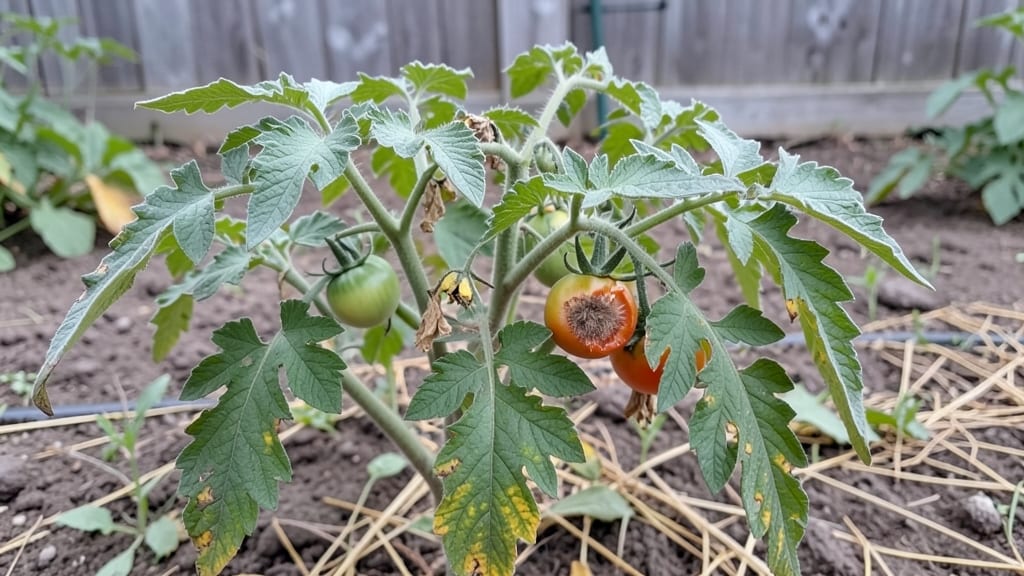
When your plants look like they've given up, don’t panic—most problems have fast solutions. 🌱 I’ve nursed back everything from sad houseplants to struggling tomatoes using these same tricks, and you can too. The key is spotting the symptoms early and acting before the issue spirals.
Wilting could mean underwatering, overwatering, or even root rot hiding beneath the soil. Yellow leaves? Often a sign of overwatering, nutrient deficiency, or too much direct sun. And those tiny bugs?
They’re usually harmless but can multiply fast if you ignore them. The good news? Most fixes take less than 15 minutes and use supplies you already have.
You’ll learn to diagnose problems like a pro—whether it’s adjusting watering habits, pruning damaged leaves, or introducing natural pest predators. By the end, your plants won’t just survive; they’ll thrive with fewer setbacks. Let’s turn those "uh-oh" moments into "aha!" victories.
This works for indoor plants, garden beds, and even balcony containers. The same principles apply whether you’re dealing with a single pot or a full yard. Ready to save your green babies?
Root Causes of Plant Struggles
Understanding why plants develop issues is half the battle—once you know the why, you can tackle the how. Plant problems like wilting, yellowing, or pest infestations rarely happen in a vacuum.
They’re usually red flags pointing to deeper environmental or care-related imbalances. Below, we break down the most common culprits, backed by science, so you can diagnose—and fix—your green friends with confidence.
Plants need water, but too much of a good thing can suffocate their roots. Overwatering disrupts the soil’s oxygen balance, leading to:
- Root rot (a fungal infection caused by Phytophthora or Pythium fungi thriving in soggy conditions).
- Yellowing leaves (chlorosis) due to oxygen deprivation, which prevents roots from absorbing nutrients.
- Wilting (even when the soil is wet), because roots can’t uptake water efficiently.
Why it happens:
- Compacted or clay-heavy soil holds excess moisture, blocking airflow.
- Lack of drainage holes in pots traps water at the bottom.
- Overzealous watering schedules (e.g., watering daily instead of checking soil moisture).
- Using saucers without emptying excess water, which creates a waterlogged base.
Actionable fix: Test soil moisture with your finger—if the top 1–2 inches are damp, wait. Use pots with drainage holes and amend heavy soil with perlite or sand.
While overwatering drowns roots, chronic underwatering dehydrates plants, triggering:
- Crispy, brown leaf edges (from cell damage due to water loss).
- Drooping or wilting (the plant’s way of conserving moisture).
- Stunted growth (as the plant diverts energy to survival, not expansion).
Why it happens:
- Infrequent watering (especially in sandy or fast-draining soil).
- Ignoring a plant’s specific needs (succulents vs. tropicals have vastly different thresholds).
- Environmental factors like high heat or low humidity increasing evaporation rates.
- Root-bound plants (roots can’t reach water deep in the soil).
Actionable fix: Group plants with similar water needs together and use a moisture meter or the "knuckle test" (stick your finger 1 inch into the soil—if dry, water).
Plants are like us—they need a balanced diet! Nutrient deficiencies cause:
- Yellowing between leaf veins (chlorosis, often from iron or magnesium deficiency).
- Purple stems or leaves (a sign of phosphorus deficiency).
- Weak, leggy growth (lack of nitrogen, essential for foliage).
- Brown leaf tips (usually calcium or potassium issues).
Why it happens:
- Poor-quality soil lacking organic matter (e.g., depleted garden beds or sterile potting mix).
- Over-fertilizing with one nutrient (e.g., too much nitrogen = lush leaves but weak roots).
- pH imbalances (soil too acidic/alkaline blocks nutrient uptake; e.g., iron is unavailable in alkaline soil).
- Competition from weeds or overcrowded roots stealing nutrients.
Actionable fix: Test your soil’s pH (ideal: 6.0–7.0 for most plants) and amend with compost or a balanced fertilizer (e.g., 10-10-10 NPK). For specific deficiencies, use targeted supplements like Epsom salt (magnesium) or chelated iron.
Light is the energy source for photosynthesis—too much or too little throws plants off balance:
- Burnt or bleached leaves (from excessive direct sunlight, causing oxidative stress).
- Leggy, pale growth (a sign of light deprivation, stretching toward any available light).
- Slow growth or weak stems (plants prioritize survival over expansion in low light).
Why it happens:
- Placing plants in the wrong spot (e.g., a fern in direct sun or a succulent in a shady corner).
- Seasonal changes (shorter winter days reduce light exposure).
- Obstructions (nearby trees, buildings, or even dusty windows blocking light).
- Using artificial lights incorrectly (LED grow lights too far away or with the wrong spectrum).
Actionable fix: Research your plant’s light needs (e.g., "low light," "bright indirect," "full sun") and rotate pots occasionally for even exposure. For indoor plants, supplement with grow lights 12–16 hours/day.
Pests and pathogens exploit stressed plants. Common triggers for infestations or infections include:
- Aphids, spider mites, or whiteflies (thrive in dry, dusty environments with weak plants).
- Powdery mildew or rust (fungal diseases that spread in humid, stagnant air).
- Root-knot nematodes (microscopic worms that attack roots in warm, moist soil).
Why it happens:
- Weakened plants (stress from other issues like overwatering or poor light makes them vulnerable).
- Poor airflow (crowded plants or humid greenhouses create ideal pest breeding grounds).
- Contaminated tools or soil (reusing pots without sterilizing or introducing infected plants).
- Seasonal cycles (pests like aphids boom in spring when new growth is tender).
Actionable fix: Inspect plants weekly for early signs (sticky residue, tiny webs, or discolored spots). Increase airflow with spacing or fans, and treat infestations with neem oil or insecticidal soap before they spread.
Plants are sensitive to their surroundings. Sudden changes in temperature, humidity, or airflow can shock them:
- Cold drafts (e.g., near AC vents or open windows in winter) cause brown patches or leaf drop.
- Heatwaves lead to wilting or sunburn (especially for tropical plants).
- Low humidity (common indoors in winter) causes dry edges or curled leaves (e.g., in houseplants like ferns).
- Wind or physical damage (e.g., from pets or kids) creates entry points for pathogens.
Why it happens:
- Lack of acclimation (e.g., moving a houseplant from indoors to outdoors without hardening off).
- Heating/cooling systems creating microclimates (e.g., dry air from heaters).
- Poor airflow (stagnant air traps heat and humidity, promoting disease).
Actionable fix: Gradually adjust conditions (e.g., move plants outdoors over a week). Use humidifiers for dry air, and shield plants from drafts or direct heat sources.
Quick Fixes for Plants
Reviving struggling plants starts with identifying the root cause—and then taking action. Below, we’ve mapped out practical solutions for common plant problems, from wilting leaves to pest invasions. Each fix includes step-by-step instructions and prevention tips to keep your greenery thriving long-term.
Problem: Yellowing leaves, mushy stems, or crispy brown edges? Your plant is either drowning in water or crying out for hydration.
🔥 Fix It Fast
- Check the Soil First 👀
- Stick your finger 1-2 inches deep into the soil. If it’s damp (not soggy), hold off on watering.
- If it’s bone-dry, it’s time to hydrate.
- Adjust Your Watering Routine 💧 - Overwatered? Let the top 2-3 inches of soil dry out before watering again. Use a pot with drainage holes and a saucer (empty excess water after 10 minutes). - Underwatered? Water deeply until it drains from the bottom.
Repeat every 5-7 days (adjust for humidity/climate).
- Repot if Needed 🏺
- If roots are rotting (black, mushy), trim them with sterilized scissors, repot in fresh well-draining soil, and avoid watering for 3-5 days.
💡 Prevention Tips
- Use the "Finger Test" daily to monitor moisture.
- Group plants with similar needs together (e.g., succulents vs. ferns).
- Mulch (like bark chips) to retain moisture without over-saturating.
Problem: Bleached patches, crispy edges, or leaves curling toward the light? Your plant is getting too much (or too little) sun.
🍳 Fix It Fast 1. Move It Gradually 🪴
- If leaves are white/yellow with brown spots, it’s sunburn. Shift the plant to indirect light (east-facing window or 2-3 feet from a south window).
- If leaves are stretched and pale, it’s light deprivation.
Incrementally increase exposure over 1-2 weeks.
- Adjust Light Sources 💡
- Low-light plants (e.g., snake plants, pothos): Keep them 3-6 feet from windows.
- Sun-lovers (e.g., succulents, herbs): Give them 4-6 hours of direct sun (south/west windows).
- Use Sheer Curtains 🛎️
- If natural light is too harsh, diffuse it with white or light-colored curtains.
🌡️ Prevention Tips
- Research your plant’s light needs before buying (e.g., "low," "medium," "high").
- Rotate pots weekly to ensure even growth (prevents lopsided sun exposure).
- Grow lights (LED or fluorescent) are great for consistent indoor lighting.
Problem: Sticky residue, tiny bugs, or holes in leaves? Aphids, spider mites, or mealybugs are likely the culprits.
👨🍳 Fix It Fast
- Isolate the Plant 🛑
- Move the infected plant away from others to prevent spreading.
- Blast Off Pests 💦 - Spray with soapy water: Mix 1 tsp mild dish soap + 1 quart water.
Spray directly on pests (avoid over-saturating soil). - Rub off stubborn bugs: Use a damp cotton swab for mealybugs in leaf crevices. - Neem oil spray (1 tsp neem oil + 1 tsp soap + 1 quart water): Spray every 5-7 days for 2 weeks.
- Introduce Beneficial Insects 🐞
- Ladybugs or lacewings eat aphids naturally (available at garden centers).
🎯 Prevention Tips
- Inspect new plants for pests before bringing them inside.
- Wipe leaves monthly with a damp cloth to remove eggs.
- Encourage airflow (pests love humidity).
Problem: Leaves turning yellow? It could be overwatering, nutrient deficiency, or fungal issues.
🔪 Fix It Fast
- Diagnose the Cause 🔍
- Yellow lower leaves? Likely overwatering or root rot.
- Yellow edges with green veins? Underwatering or low humidity.
- Yellow spots with black edges? Fungal disease (like powdery mildew).
- Treat Accordingly
- Overwatering? Follow the drowning fix above.
- Nutrient deficiency? Use a balanced fertilizer (20-20-20) every 4-6 weeks in growing season.
- Fungal disease? Spray with copper fungicide or baking soda mix (1 tsp baking soda + 1 quart water + few drops of soap).
- Prune Damaged Leaves ✂️
- Snip off yellow/brown leaves with sterilized scissors to redirect energy to healthy growth.
✨ Prevention Tips
- Fertilize seasonally (spring/summer for most plants).
- Avoid wetting leaves when watering (use bottom-watering for sensitive plants).
- Space plants properly for good airflow (reduces fungal risk).
Pro Tip: Keep a plant journal to track watering, light, and pest issues—it’ll help you spot patterns fast! 📖✏️
Frequently asked questions about plant care challenges
Why are my plant leaves turning yellow even though I water it regularly?
Yellowing leaves often signal overwatering, but could also mean nutrient deficiency or poor drainage. Check soil moisture—if the top 2 inches are damp, reduce watering. For indoor plants, test for chlorosis (yellowing between veins), which often indicates iron deficiency. Try repotting with fresh, well-draining soil or use chelated iron supplements.
How do I know if my plant has root rot or just needs more water?
Root rot causes wilting even when soil feels wet, plus a foul odor from decaying roots. Gently remove the plant from its pot—healthy roots are firm and white, while rotten roots are black/mushy. Trim affected roots with sterilized scissors, repot in fresh soil, and avoid watering for 3-5 days to let roots recover.
What’s the fastest way to get rid of spider mites without chemicals?
Spider mites thrive in dry conditions, so start by increasing humidity with a pebble tray or misting. Blast them off with a strong spray of water, then apply a mix of 1 tsp neem oil + 1 tsp dish soap + 1 quart water. Repeat weekly until gone. Introduce predatory mites (like Phytoseiulus persimilis) for long-term control.
Can I save a plant with brown, crispy leaf edges?
Crispy edges usually mean underwatering or low humidity. Trim the damaged parts with clean scissors, then adjust care: water deeply when the top inch of soil is dry, and increase humidity with a humidifier or grouping plants together. For severe cases, move to a more stable environment (e.g., a bathroom with natural humidity).
How often should I fertilize my plants, and what happens if I overdo it?
Most plants need fertilizer every 4-6 weeks during growing season (spring-fall). Over-fertilizing causes leaf burn (brown tips) or salty soil (white crust on surface). Flush the soil with water to remove excess salts, then reduce fertilizer to half-strength. Always follow package instructions for dosage.