
Plants
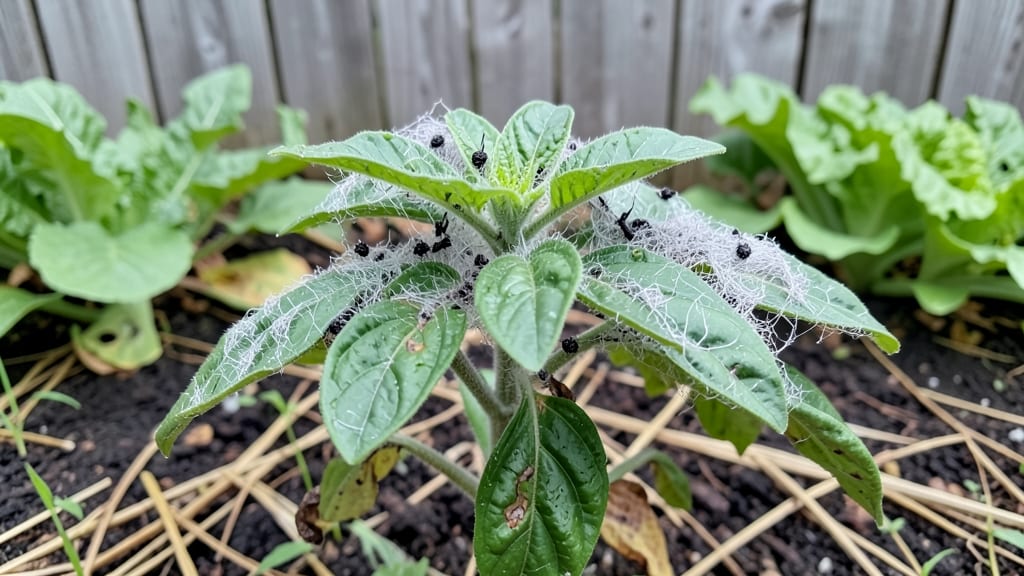
Plant fungus crossword clues often reference common diseases like powdery mildew, rust, blight, or root rot, which target leaves, stems, or roots. Understanding these terms helps solve puzzles and identify garden threats accurately.
Crossword puzzles love testing your botanical knowledge, and fungal diseases are a favorite theme.
These clues often describe visible symptoms like white powder (powdery mildew) or dark spots (leaf blight) that give solvers visual cues. 🌱 For example, "reddish spores" might lead you to rust fungus, while "root decay" points to root rot.
Gardeners and puzzle enthusiasts alike benefit from recognizing these patterns—whether solving a clue or diagnosing a sick plant in your yard.
What makes these terms perfect for crosswords is their specificity and commonality. Many diseases have unique names tied to their appearance or effects, like "black spot" for a leaf fungus or "damping off" for seedlings.
Knowing these helps you spot wordplay tricks—like how "mildew" might appear as "mild dew" in a puzzle. The more you garden (or puzzle), the easier these clues become!
💡 In This Article
- Identifying Common Plant Fungus Diseases in Crosswords
- Tips for Solving Plant Fungus Crossword Puzzles
Identifying common plant fungus diseases in crosswords
The science behind these fungal diseases explains why they're crossword favorites. Fungi spread through microscopic spores that thrive in humid conditions (70-90% humidity), which is why many diseases appear after rain or poor airflow.
For example, powdery mildew creates a white, powdery coating on leaves—visible even to the naked eye—while rust fungi produce orange or reddish pustules that burst open to release spores. 🌱 These visual cues make them perfect for wordplay since clues often describe symptoms rather than scientific names.
Here's how to distinguish them by appearance and impact:
- Powdery Mildew: White, talcum-powder-like growth on leaf surfaces (affects 100+ plant species)
- Leaf Rust: Orange-red pustules on undersides of leaves (spores spread via wind)
- Blight: Dark, water-soaked spots that spread rapidly (often causes wilting)
- Root Rot: Soft, mushy roots with foul odor (thrives in waterlogged soil)
The key factor is how these diseases disrupt plant physiology. Powdery mildew blocks sunlight by covering leaves, while rust fungi create chlorosis (yellowing) around infected areas. Blight diseases often produce toxins that kill plant tissue within 48-72 hours of infection.
This rapid progression makes them dramatic subjects for crossword clues about "sudden plant death" or "spreading decay." 🔥
Crossword constructors love these terms because they're both scientifically precise and visually descriptive. For instance, "white fungus on roses" would lead solvers to "powdery mildew," while "red leaf spots" points to "rust."
The diseases also have memorable Latin names (like Erysiphe for mildew) that crossword creators can abbreviate or play with. Understanding these patterns helps you spot clues that describe symptoms rather than names—like "fungus that looks like flour" for powdery mildew.
What most people don't realize is how these diseases evolve. Fungal spores can remain dormant for years in soil or plant debris until conditions become favorable. This persistence makes them both challenging for gardeners and perfect for crossword themes about "long-lasting plant problems."
The fact that many diseases have host-specific strains (like apple scab only affecting apples) adds another layer of specificity that puzzles can exploit.
For example, consider the clue "fungus causing brown spots on tomatoes." The answer would be "early blight" (Alternaria solani), but a crossword might simplify it to "blight" or use a synonym like "leaf spot."
This wordplay relies on solvers recognizing that "brown spots" is a common symptom across multiple diseases. The more you learn about these visual symptoms, the easier it becomes to decode crossword clues that describe rather than name the diseases.