Flowers
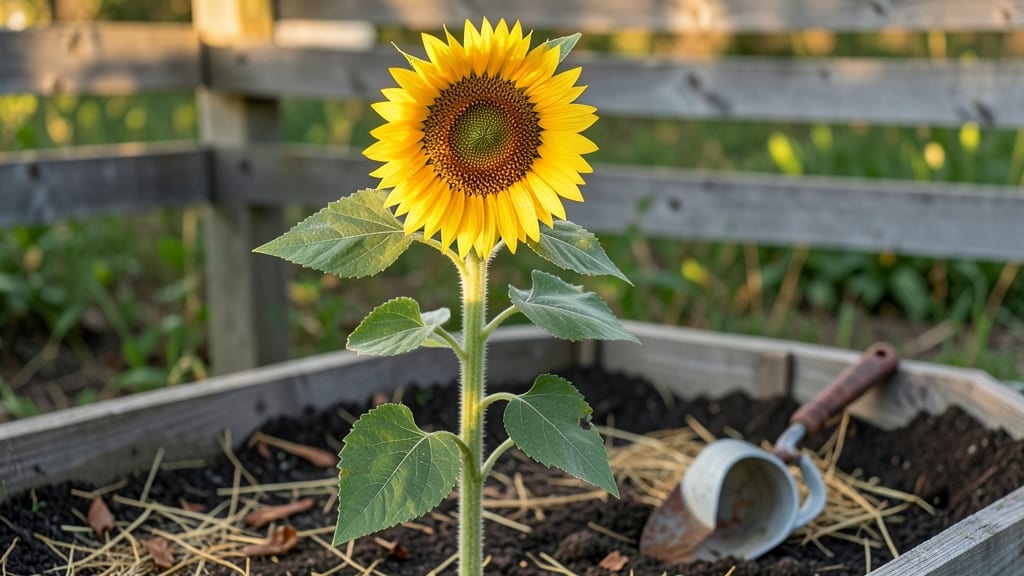
Growing oil sunflower plants means harvesting towering stems that reach for the sky—some even hitting 12 feet tall with the right care. 🌻 I planted my first batch last spring and was amazed when they shot up faster than I could water them, their broad leaves soaking up every ray of sunlight.
The secret to their explosive growth starts with well-draining soil rich in organic matter—think compost mixed into the top 12 inches of your planting area.
Oil sunflowers thrive in full sun, so pick the sunniest spot you’ve got, and don’t skimp on space: these plants need 2-3 feet between neighbors to stretch their legs.
Once established, they’re surprisingly low-maintenance—just keep the soil consistently moist but never soggy. You’ll know you’re on track when those yellow blooms appear, each one a magnet for pollinators. Harvest the seed heads when they turn brown and papery, and you’ve got homegrown oil sunflower seeds ready for pressing.
Perfect for gardeners with sunny patches or small-scale farmers looking for a high-yield crop. Here’s how to coax those towering stems from seed to harvest without the guesswork.
📚 In This Guide
- What you need
- Instructions
- Tips and common mistakes
- Wrapping up and next steps
What you need
- ● Oil sunflower seeds: Choose certified organic, non-GMO seeds (e.g., Helianthus annuus varieties like ‘Mordovia’ or ‘Peredovik’). Quantity: 10–20 seeds per plant (or 1 lb for bulk planting).
- ● Well-draining potting mix: A blend of 60% garden soil, 20% compost, and 20% perlite or sand. Volume: 1–2 cubic feet per plant.
- ● Containers or garden bed: Containers: 12–18" deep pots with drainage holes (1 plant per pot).
- ● Garden bed: Full sun (6+ hours daily) and loose, fertile soil (pH 6.0–7.5).
- ● Watering can or hose: With a gentle spray nozzle for seedlings.
- ● Fertilizer: Starter fertilizer: 5-10-10 or fish emulsion (1 tbsp per gallon of water).
- ● Growth booster: Balanced 10-10-10 fertilizer (1 tbsp per plant every 4–6 weeks).
- ○ Plant supports (optional): Sturdy stakes (5–6 ft tall) or cages for tall varieties.
- ● Mulch: Straw or wood chips to retain moisture and suppress weeds.
- ● Row covers: Lightweight fabric to protect young plants from pests.
- ● pH test kit: To ensure soil is in the ideal range (6.0–7.5).
- ● Pruning shears: For trimming dead leaves or shaping plants.
- ● Seedling heat mat: If starting indoors in cool climates.
Step-by-Step instructions for growing towering oil sunflower plants
Here's how to coax those dramatic, sun-loving giants from seed to harvest.
🌱 Step 1: Start Seeds Indoors for Early Growth
Fill 2-inch deep seedling trays with a sterile seed-starting mix, pressing it down lightly to remove air pockets. Plant oil sunflower seeds ½ inch deep—they need darkness to germinate, so don't cover them with extra soil. Use a spray bottle to mist the surface until the mix feels evenly damp but not soggy.
Place the tray in a warm spot, ideally with a seedling heat mat to maintain 70-75°F soil temperatures. Germination typically takes 7-14 days, but be patient—some seeds may take longer. Once first true leaves appear, remove the heat mat and provide 14-16 hours of light daily using a grow light positioned 2-3 inches above the seedlings.
☀️ Step 2: Harden Off and Transplant After Frost
Two weeks before your last frost date, begin hardening off seedlings by placing them outside in a sheltered spot for 1-2 hours daily. Gradually increase exposure over 7-10 days, watching for signs of stress like wilting or yellowing leaves. Oil sunflowers are cold-tolerant, so they can handle light frosts once established.
Transplant seedlings 18-24 inches apart in full sun, digging holes deep enough to bury ⅓ of the stem. This encourages root development and prevents toppling later. Water deeply at planting to settle the soil and remove any air pockets around the roots.
💧 Step 3: Water Deeply and Fertilize for Strong Stems
Water oil sunflowers at the base 1-2 times per week, providing 1-2 inches of water each time. Avoid overhead watering to prevent fungal diseases like powdery mildew, which thrives in damp foliage. Mulch around the base with 2-3 inches of organic mulch to retain moisture and suppress weeds.
Fertilize lightly with a balanced 10-10-10 fertilizer at planting and again when plants reach 12 inches tall. Oil sunflowers are deep-rooted and prefer lean soil, so avoid over-fertilizing—too much nitrogen leads to weak stems that snap in wind or rain.
✂️ Step 4: Support and Prune for Maximum Height
Install 6-foot tall stakes or a trellis system at planting to support the towering stems. Tie the main stalk loosely to the stake with soft plant ties as it grows, adjusting every 2-3 weeks to prevent girdling. Oil sunflowers can reach 10-12 feet, so proper support is critical.
Remove any side shoots that form below the main head to direct energy toward the primary flower. If the plant develops multiple heads, leave the largest one and prune the smaller ones to avoid overcrowding. Harvest the seed heads when they turn brown and dry, typically 3-4 months after planting.
Tips & tricks for growing towering oil sunflower plants
Here's what nobody tells you about coaxing those sky-reaching sunflowers from seed to harvest—tricks that'll make all the difference between a few feet of growth and a dramatic 10-foot giant.
Seedling Heat Secret: That 70-75°F soil temperature range in Step 1 isn't just a suggestion—it's the sweet spot for germination. I've seen seeds take twice as long when soil temps dip below 68°F. Use a simple seedling heat mat if your home runs cool, or place the tray on top of your fridge. The key is consistency: those seeds need warmth to break dormancy, and any fluctuation can delay germination by days. Trust me on this—the difference between 7 days and 14 days of waiting can feel like an eternity when you're eagerly watching for those first sprouts.
Lighting Strategy: The 14-16 hours of light daily in Step 1 is non-negotiable for these sun-loving plants. If you're using grow lights, position them just 2-3 inches above the seedlings—any higher and they won't get enough intensity, any lower and you risk burning the tender leaves. I like to set a timer for my grow lights to automate the process, especially during those early days when seedlings are most vulnerable. And here's a pro move: rotate your trays 180 degrees daily so all sides get equal light exposure, preventing lopsided growth that'll follow the plants into maturity.
Transplanting Technique: Burying ⅓ of the stem when transplanting in Step 2 might seem counterintuitive, but it works wonders for root development. The buried portion will sprout new roots, creating a stronger anchor for your towering plant. When digging holes, make them about twice as wide as the root ball to minimize transplant shock. And don't forget to water deeply after planting—this helps settle the soil and eliminates air pockets that can strangle young roots. I've seen plants that were properly transplanted reach heights 3 feet taller than those that weren't given this extra care.
Support System: Those 6-foot tall stakes mentioned in Step 4 are your secret weapon for preventing toppling. Oil sunflowers can grow so tall that their own weight becomes a problem. Install stakes at planting time and tie the main stalk loosely with soft plant ties every 2-3 weeks as it grows. The key is to adjust the ties regularly—they should be snug enough to provide support but not tight enough to girdle the stem. I've had plants reach 12 feet without toppling because of this simple support system, while neighbors' unsupported plants leaned dramatically or snapped in the first windstorm.
Pro Tips for Oil Sunflower Plant
- Here's what nobody tells you about coaxing those sky-reaching sunflowers from seed to harvest—tricks that'll make all...
- Seedling Heat Secret: That 70-75°F soil temperature range in Step 1 isn't just a suggestion—it's the sweet spot for g...
- Lighting Strategy: The 14-16 hours of light daily in Step 1 is non-negotiable for these sun-loving plants. If you're ...
Frequently asked questions
Got questions about growing oil sunflowers?
Here are answers to the most common ones—whether you're a first-time gardener or a seasoned pro looking to optimize your harvest!
How long does it take for oil sunflower plants to grow from seed to harvest?
Oil sunflower plants typically take 80–120 days to mature from seed to harvest, depending on the variety. Early-maturing types (like Helianthus annuus) may be ready in as little as 75 days, while taller, high-oil varieties can take closer to 120 days. Plant seeds after the last frost when soil temperatures reach 50°F (10°C) for best germination.
Can oil sunflowers grow in containers, or do they need a large garden space?
Yes! Oil sunflowers thrive in containers if given enough room. Use a 5-gallon pot or larger with drainage holes, as their roots can grow 2–3 feet deep. Choose dwarf varieties (like 'Moulin Rouge') for smaller spaces—they top out at 3–5 feet instead of towering 10+ feet. Just ensure the container gets 6–8 hours of sunlight daily.
What can I do if my oil sunflower plants aren’t flowering?
Non-flowering oil sunflowers often need one of three things: more sunlight (they crave full sun), consistent watering (drought stress stunts growth), or balanced fertilizer (use a 10-10-10 mix at planting and mid-season). If plants are leggy, prune the top leaves to encourage bud development. Pro tip: Thin seedlings to 12–18 inches apart to reduce competition.
Are oil sunflowers annuals or perennials, and will they come back every year?
Oil sunflowers are annuals, meaning they complete their life cycle in one season and don’t return unless you replant. However, in USDA Zones 9–11, they may self-seed if left to go to seed. For perennial sunflowers, try Helianthus tuberosus (Jerusalem artichoke), though it’s not ideal for oil production. Save seeds from your best plants for next year’s garden!
What pests or diseases should I watch for in oil sunflower plants?
Common pests include aphids, sunflower moths, and beetles, which can damage leaves and stems. Use neem oil or insecticidal soap for mild infestations. Diseases like powdery mildew (white fungal spots) thrive in humid conditions—improve airflow and avoid overhead watering. Preventative tip: Space plants 18–24 inches apart and rotate crops yearly to minimize soil-borne issues.
Can I grow oil sunflowers for both seeds and oil, or is it one or the other?
Yes! Oil sunflowers produce both edible seeds and high-quality oil, but the oil content varies by variety. High-oleic varieties (like 'NuSun') yield more stable oil for cooking, while linoleic-rich types (like 'Peredovik') are better for seed consumption. Harvest seeds when the back of the head turns yellow and the petals droop—then dry them for oil extraction or snacking!
Wrapping up and next steps
Growing oil sunflower plants is a rewarding journey that brings beauty, sustainability, and even culinary potential to your garden! 🌻 With the right sunny patch, soil prep, and care, you’ll enjoy towering stems and vibrant blooms—plus the bonus of edible seeds.
Whether you’re a beginner or a seasoned gardener, this plant offers low-maintenance charm and high-impact results.
Ready to take the next step? Start small—plant a few seeds or seedlings this season and watch your garden transform! For even better yields, experiment with companion planting or share tips with fellow gardeners. Happy growing! 🌱