
Companion Plants
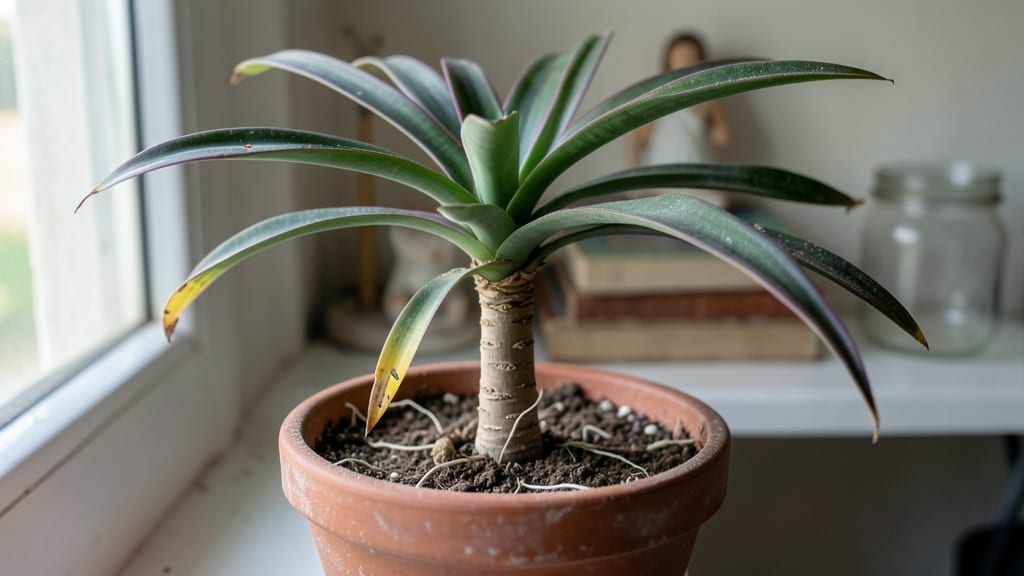
Pointed leaf plants like snake plants and hostas are the ultimate low-maintenance stars of any garden or home. 🌿 I’ve grown them for years, and they thrive with almost no fuss—just the right light and water.
The secret lies in their resilience: they handle neglect better than most plants, making them perfect for busy gardeners.
These plants love bright, indirect light but can adapt to shady spots, both indoors and out. Well-draining soil keeps their roots happy, and watering only when the top inch feels dry prevents root rot.
Most pointed leaf varieties, like ferns or asparagus ferns, also appreciate humidity but won’t complain if you forget to mist them occasionally.
You’ll notice their striking foliage stays vibrant all year, with minimal pruning needed—just snip off dead leaves or leggy growth. Propagation is easy too: divide clumps or take stem cuttings in spring. The result? A lush, green corner that requires almost no effort but delivers big rewards.
Whether you’re filling a sunny windowsill or a shady garden bed, these plants adapt effortlessly. Here’s how to keep them thriving with just a little attention—and why they’re the ideal choice for any space.
📚 In This Guide
- What you need
- Instructions
- Tips and common mistakes
- Wrapping up and next steps
What you need
- ● Ready to cultivate stunning pointed leaf plants that thrive with minimal fuss? Here’s what you’ll need to get started—whether you’re a seasoned gardener or a green-thumb newbie! 🌿✨
How to cultivate pointed leaf plants for long-lasting foliage
Pointed leaf plants thrive with the right balance of light, water, and occasional care—here's how to keep them lush all year.
🪴 Step 1: Choose the Right Containers and Soil Mix
Pointed leaf plants need containers with drainage holes to prevent root rot. I use 6-inch pots for smaller varieties and 10-inch containers for larger ones, ensuring they're wide enough to accommodate root spread. Fill each pot with a well-draining mix—equal parts potting soil, perlite, and orchid bark—to mimic their natural, airy growing conditions.
Tap the container gently after filling to settle the mix without compacting it. The goal is a loose, fluffy medium that allows water to drain quickly but still holds enough moisture for roots. Avoid garden soil—it compacts too easily and suffocates delicate roots. If you're planting multiple varieties, label each pot to track their specific care needs.
☀️ Step 2: Position for Bright, Indirect Light
Pointed leaf plants love bright, indirect light—think of them as the "goldilocks" of foliage. A spot near an east-facing window is ideal, where they get gentle morning sun without harsh afternoon rays. If your home lacks natural light, supplement with a grow light positioned 12-18 inches away for 12-14 hours daily. Too much direct sun will scorch leaves, while too little causes leggy, weak growth.
Rotate the pots quarter-turn weekly so all sides get even exposure. You'll notice new growth leaning toward the light? That's your cue to adjust the pot's position. Avoid drafts—cool air from windows or vents can stress these plants, causing leaf drop. If you see yellowing or crispy edges, move them to a slightly shadier spot immediately.
💧 Step 3: Water When Soil Feels Dry to the Touch
Watering is where most people go wrong—pointed leaf plants hate soggy roots. Stick your finger 1 inch into the soil; if it feels dry, it's time to water. Use room-temperature water and pour slowly until it drains from the bottom holes. Empty the saucer after 10 minutes to prevent root rot. Overwatering is the fastest way to kill these plants, so when in doubt, wait a day or two.
Mist the leaves weekly with a spray bottle to boost humidity, especially in dry climates. You'll know humidity is right when the leaves stay crisp and vibrant. If they start curling or brown at the tips, increase misting or place a tray of water nearby. In winter, reduce watering—these plants enter a natural dormancy and need less moisture.
✂️ Step 4: Prune Only When Necessary for Shape
Here's the thing—pointed leaf plants thrive with minimal pruning. Trim only to encourage bushier growth or remove dead leaves. Use clean, sharp scissors to snip just above a leaf node (the bump where leaves grow). Avoid cutting into woody stems, as these plants heal slowly. Prune in early spring to shape the plant before new growth begins.
If a stem looks leggy or bare, pinch off the top set of leaves to encourage branching. You'll see new growth emerging from the sides within 2-3 weeks. Never prune more than one-third of the plant at once—this stresses the plant and can lead to leaf drop. Wipe the scissors with rubbing alcohol between cuts to prevent spreading disease.
🌿 Step 5: Fertilize Lightly During Growing Season
Feed your pointed leaf plants once a month in spring and summer with a balanced, water-soluble fertilizer (like 10-10-10). Dilute it to half-strength—these plants are sensitive to salt buildup, which causes brown leaf tips. Mix the fertilizer with water in a spray bottle, then apply it to the soil until it drains through. Avoid fertilizing in fall or winter, as the plant slows growth naturally.
You'll know fertilization is working when new leaves emerge vibrant and glossy. If old leaves yellow between veins, that's a classic sign of over-fertilizing. Flush the soil with plain water for 10 minutes to rinse out excess salts. In winter, skip fertilizer entirely—these plants rest and don’t need extra nutrients.
Tips & tricks for perfect pointed leaf plant care
Here's what nobody tells you about keeping these elegant plants thriving for years—these are the details that make all the difference.
Soil Mix Secret: When mixing your equal parts potting soil, perlite, and orchid bark in Step 1, sift the ingredients together first. This prevents clumping and ensures that airy, well-draining texture we're aiming for. I like to add a handful of worm castings to the mix too—just a quarter cup per pot. This gives a gentle nutrient boost without risking salt buildup that can harm these sensitive plants. The key is keeping that soil light and fluffy, almost like a cloud for the roots.
Light Positioning: For the 12-14 hours of grow light in Step 2, position the light so it's just above the plant's height. If your plants start leaning dramatically toward the light, it's time to move the pot. I've found that adjusting the light position every few days helps create more balanced growth. Watch for leaves touching the light—this can cause brown spots, so keep them at least 2 inches away from the bulb. The goal is that perfect bright, indirect light that makes these leaves pop.
Watering Wisdom: That 1-inch soil check in Step 3 is your best friend, but here's a pro tip: use your finger to check soil moisture in multiple spots around the pot. Some areas might dry faster than others, especially near the edges. Also, consider using a moisture meter for these delicate plants—it takes the guesswork out of watering. And remember, those 10 minutes to empty the saucer after watering? Set a timer so you don't forget. Soggy roots are the silent killer of pointed leaf plants.
Pruning Precision: When you're pinching off those top leaves in Step 4 to encourage branching, look for the point where the leaf meets the stem—this is your leaf node. Make your cut just above this node, about 1/8 inch above it. This small detail makes all the difference in encouraging new growth from exactly the right spot. And if you're ever unsure about where to cut, think of it as "cut above the bump, below the leaf." This simple rule keeps your plants looking their best with minimal effort.
Pro Tips for Pointed Leaf Plants
- Here's what nobody tells you about keeping these elegant plants thriving for years—these are the details that make all the difference.
- Soil Mix Secret: When mixing your equal parts potting soil, perlite, and orchid bark in Step 1, sift the ingredients together first.
- Light Positioning: For the 12-14 hours of grow light in Step 2, position the light so it's just above the plant's height.
Frequently asked questions
Got questions about keeping your pointed leaf plants happy and healthy? You’re not alone! Here are some of the most common concerns—plus quick, actionable answers to keep your green friends thriving with minimal fuss.
What are the best pointed leaf plants for beginners?
Start with Sansevieria trifasciata (snake plant) or Dracaena marginata (dragon tree)—both are tough, low-maintenance, and perfect for new plant parents. They tolerate low light and infrequent watering, making them ideal for busy schedules. Pro tip: Avoid overwatering; these plants store moisture in their leaves!
How often should I water pointed leaf plants?
Water only when the top 2–3 inches of soil are completely dry—usually every 2–4 weeks, depending on humidity and light. Stick your finger in the soil to check! Overwatering is the #1 killer of these plants. In winter, cut back to once a month or less.
Why are the tips of my pointed leaves turning brown?
Brown tips often mean underwatering or fluoride/chlorine in tap water. Try these fixes:
- Water deeply but less often.
- Use filtered or distilled water.
- Trim the brown tips with clean scissors.
Can I grow pointed leaf plants outdoors year-round?
Most pointed leaf plants thrive outdoors in USDA Zones 9–11 with partial shade. In colder climates, bring them indoors before temps drop below 50°F (10°C). For a year-round outdoor setup, choose cold-hardy varieties like Sansevieria (Zone 8+) or grow them in containers you can move.
What’s a low-maintenance alternative if I forget to water often?
Try Zamioculcas zamiifolia (ZZ plant) or Haworthia attenuata (zebra plant)—both store water and survive months without water. They also love bright, indirect light and add a modern, architectural touch to any space. Just remember: even these plants need occasional hydration!
Wrapping up and next steps
Pointed leaf plants are a fantastic addition to any garden, offering year-round greenery with minimal effort—perfect for busy plant lovers! 🌿 With the right soil, light, and a little patience, you’ll enjoy their striking foliage and low-maintenance charm.
Whether you’re a seasoned gardener or just starting, these tips will help you cultivate thriving, vibrant plants that keep your space fresh and lively.
Ready to take the next step? Start small—pick one variety, gather your supplies, and give it a try! 🌱 Your garden (and future green thumbs) will thank you.