
How To
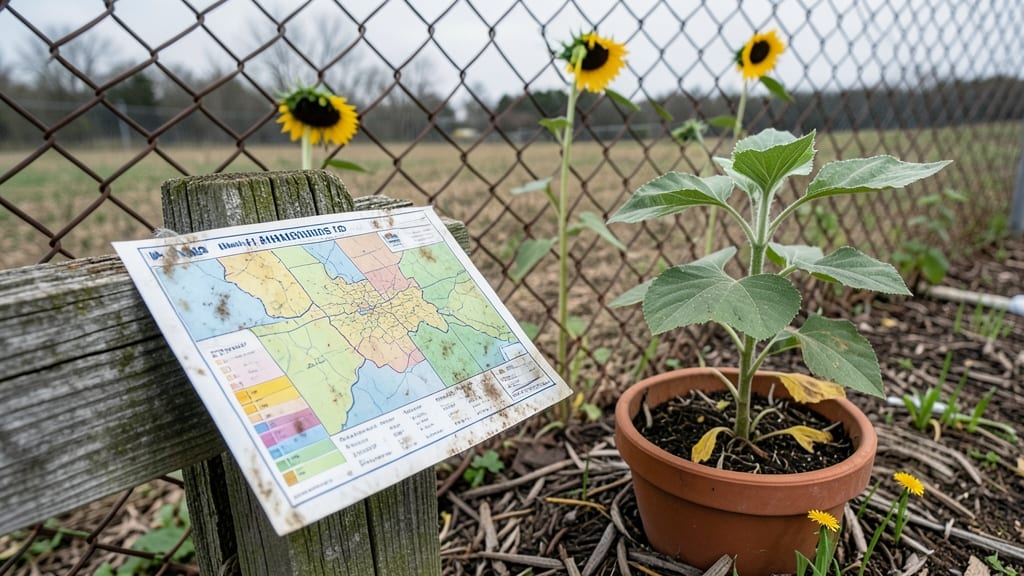
Planting zones 2023 reflect updated USDA climate data, shifting some regions due to warming trends, with Zone 8 now covering parts of the Northeast and Midwest that previously fell in Zone 7. Always check the interactive map for your exact location before selecting plants.
The 2023 USDA planting zones account for rising temperatures and changing frost patterns across the country. 🌱 These adjustments help gardeners select cold-hardy plants that thrive in their specific microclimate, reducing trial-and-error failures.
For example, areas like upstate New York now fall into Zone 8 instead of Zone 7, allowing growers to expand their plant choices to include subtropical varieties like citrus or olive trees.
The interactive map even lets you zoom in to see how elevation or urban heat islands might further tweak your local growing conditions.
Why this matters most is how it impacts long-term planning. If you're designing a landscape or selecting perennials, using the updated zones ensures your plants will survive winters without constant babying.
I always recommend double-checking with local nurseries—they often have firsthand experience with how these shifts play out in real gardens.
💡 In This Article
- How USDA Planting Zones Work and Why They Matter
- How to Find and Use the 2023 USDA Planting Zone Map
How USDA planting zones work and why they matter
The USDA planting zones are based on the average annual minimum temperature—specifically, the coldest temperatures a region typically experiences over a 30-year period. Each zone represents a 10°F increment, from Zone 1 (-50°F to -40°F) to Zone 13 (70°F to 80°F).
This system helps gardeners match plants to their local climate by identifying how well a species can survive winter's harshest conditions. For instance, a plant rated for Zone 5 can handle temperatures down to -20°F, while a Zone 9 plant might struggle in any frost below 20°F. 🌡️
Beyond just winter survival, these zones also factor in the length of the growing season—measured by frost-free days. The USDA now incorporates climate data from 1991-2020, a more recent window than previous maps, which helps capture how warming trends are pushing zones northward.
For example, parts of Chicago (Zone 5b) now experience winters that are 2-3°F warmer than they did in the 1980s, allowing for plants like Russian olive trees (Zone 4) to thrive where they once would have perished.
The science here is rooted in long-term weather patterns, not just one harsh winter.
What most gardeners don't realize is how microclimates can override the official zone. A south-facing wall, a body of water, or even pavement can create pockets where temperatures are 5-10°F warmer than the surrounding area.
This is why urban gardens in Zone 6 might successfully grow lemon trees (Zone 9) in containers near heat-retaining surfaces. The USDA map provides a baseline, but local observations—like tracking your own frost dates for 3-5 years—can refine your planting strategy even further. 📊
Climate change is the biggest driver behind the 2023 updates. Since the last major revision in 2012, average temperatures in the continental U.S. have risen by about 0.3°F per decade, causing zones to shift northward by 1-2 zones in some areas.
This isn't just about warmer winters—it's also about delayed first frosts in fall and earlier last frosts in spring, extending the growing season by 10-14 days in many regions. For gardeners, this means plants that once required protection now can thrive outdoors year-round.
Here's how zones directly impact your garden planning:
- Perennial selection: Choose plants with hardiness ratings matching your zone to avoid winter die-off. For example, peony roots (Zone 3) will survive where dahlias (Zone 7) might not.
- Seasonal timing: Use zone data to calculate when to plant cool-season crops (like spinach in Zone 4) versus warm-season varieties (like tomatoes in Zone 8).
- Container gardening: Move tender plants (Zone 9+) into pots and bring them indoors before 32°F temperatures arrive.
The long-term benefit of using updated zones is reduced risk and increased success. When you align your plant choices with your local climate data, you're not just guessing—you're making informed decisions backed by decades of scientific observation.
This is especially valuable for fruit trees and shrubs, which can take years to mature. Planting a fig tree (Zone 7) in Zone 6? You might get away with it in a microclimate, but the updated zones help you avoid costly mistakes. 🌿