
Planting
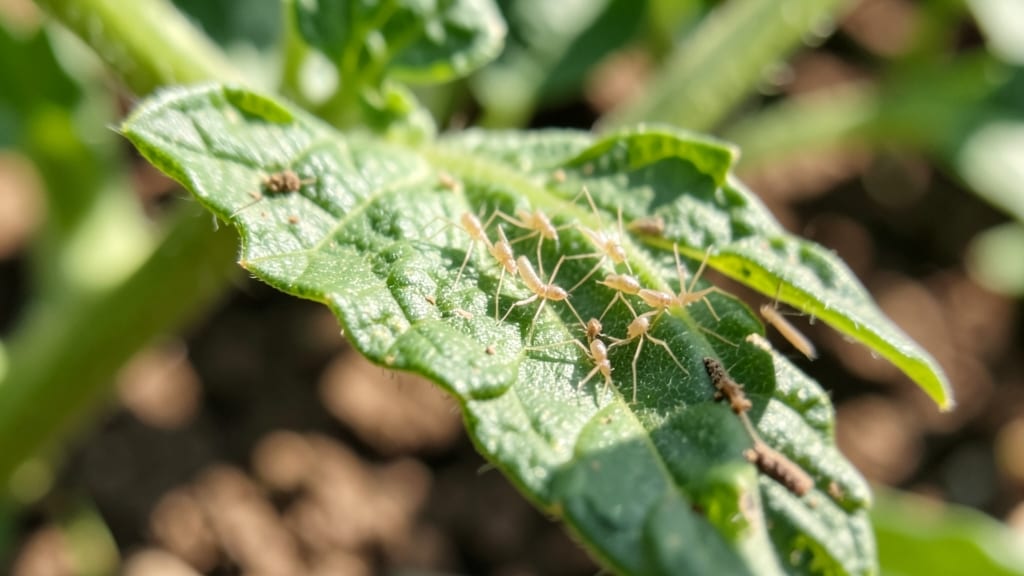
Tomato plant mites can turn your lush vines into a webbed mess faster than you can say "harvest failure." 🌱 I’ve watched these tiny pests go from invisible to destructive in just two weeks, and the key to stopping them is catching them early—before they spin their silvery webs between leaves and start sucking the life out of your fruit.
The moment you spot those first speckled leaves or see fine webbing, you’ve got a race against time to save your plants.
These pests thrive in hot, dry conditions, which is why they often strike in midsummer when your tomatoes are at their most vulnerable. They spread by drifting on air currents or hitching rides on garden tools, so one infested plant can quickly become a whole patch of trouble.
The damage isn’t just cosmetic—mites weaken plants, stunt growth, and leave your tomatoes small, deformed, or even falling off the vine before they ripen.
Here’s the good news: you can fight back without harsh chemicals. Neem oil disrupts their life cycle, while predatory mites and lacewings hunt them naturally. For severe cases, insecticidal soap works fast, but timing matters—spray in the early morning or evening when bees aren’t active.
The goal is to break their cycle before they spin more webs, and with the right approach, your plants can bounce back stronger than ever.
Prevention is your best weapon. Prune regularly to improve air circulation, mulch heavily to retain moisture (mites hate humidity), and inspect new plants before bringing them home. A weekly leaf check under a bright light can spot mites before they become a full-blown crisis.
Trust me—once you’ve saved a tomato plant from mites, you’ll never ignore those early warning signs again.
Hidden Triggers Behind Tiny Invaders
Those barely visible pests wreaking havoc on your tomato plants don’t just appear out of nowhere—they’re drawn by specific conditions that turn your garden into an all-you-can-eat buffet.
Understanding why these mites target your plants is the first step to outsmarting them. Let’s break down the science behind their sneaky behavior.
Tomato plant mites, particularly Tetranychus urticae (the two-spotted spider mite), thrive in hot, dry climates because they prefer stressed plants. Here’s how it works:
- Water scarcity = plant SOS: When soil dries out, tomato plants close their stomata (tiny pores) to conserve moisture. This reduces their ability to photosynthesize efficiently, making them less nutritious and more vulnerable to pests.
- Mites love the stress hormones: Plants under drought release volatile organic compounds (VOCs) that act like a dinner bell to mites. Studies show these compounds attract mites within hours of stress onset.
- Weakened natural predators: Beneficial insects like ladybugs and predatory mites also struggle in extreme heat. Without their usual checks and balances, mite populations explode unchecked.
Actionable fix: Mulch heavily to retain moisture, water deeply (1–2 inches per week), and avoid overhead sprinkling, which can increase humidity—a double-edged sword for mites (they hate it when it’s too damp).
Mites spread like wildfire when tomato plants are packed too closely together. Here’s the biology behind the chaos:
- Physical bridges for travel: Mites can’t fly, but they hitchhike on wind, tools, or even your hands. Dense foliage creates a microclimate where mites can crawl from plant to plant without exposure to predators or pesticides.
- Shared resources = shared pests: Overcrowded plants compete for sunlight, water, and nutrients. The resulting weakened leaves are easier for mites to pierce with their mouthparts, speeding up infestation.
- Humidity traps: Thick canopies trap moisture, creating the ideal 60–80% humidity mites crave (they dry out below 40%).
Actionable fix: Space tomato plants 18–24 inches apart (or follow variety-specific guidelines). Prune lower leaves to improve airflow, and avoid planting in tight rows. Pro tip: If you’re using trellises, ensure they’re not touching—mites can walk across!
Mites don’t just target healthy plants—they love plants already compromised by other pathogens. Here’s how it plays out:
- Damaged cells = easy access: Fungal diseases like early blight or bacterial spots create open wounds in leaves. Mites insert their stylets (tiny feeding tubes) into these weak spots with minimal resistance.
- Sugar-rich sap = mite buffet: Infected plants produce more sugars in damaged cells, which mites consume voraciously. This accelerates both the disease and the mite population.
- Secondary invaders: Mites themselves can vector viruses (like Tomato Yellow Leaf Curl Virus), turning a fungal issue into a full-blown crisis.
Actionable fix: Rotate crops annually to break disease cycles, and remove all infected plant debris immediately. Use copper fungicides preventatively if your region has a history of fungal outbreaks. 💡 Early detection is key—check undersides of leaves weekly for both mites and signs of disease.
While pesticides can kill mites, overusing them creates a feedback loop that makes infestations worse. Here’s how:
| Chemical Type | How It Backfires | Mite Workaround |
|---|---|---|
| Broad-spectrum insecticides (e.g., neonicotinoids) | Kills beneficial predators (ladybugs, lacewings, predatory mites) faster than mites. | Mites reproduce 20x faster without natural controls. |
| Systemic fungicides (e.g., chlorothalonil) | Can leave residue that mites develop resistance to. | Surviving mites pass on resistance genes to offspring. |
| Synthetic pyrethroids (e.g., permethrin) | Mites evolve resistance within 1–2 seasons in high-use areas. | Infestations become harder to eradicate over time. |
Actionable fix: If you must use chemicals, opt for horticultural oils or neem oil (they smother mites without harming predators). ⏰ Timing matters: Apply oils at dusk to avoid burning plants in sunlight. For severe cases, rotate between soaps and oils to delay resistance.
Mites don’t choose your garden randomly—they’re responding to the perfect storm of conditions you’ve created. The good news? By addressing these root causes, you’re not just treating symptoms—you’re starving out the problem at its source.
Beat Back Tiny Pests Fast
Tiny but mighty, spider mites and other microscopic pests can turn your thriving tomato plants into a sad, stunted mess—fast. The good news? You can stop and reverse the damage with targeted, garden-friendly fixes.
Below, we break down the most common causes of infestations and the easiest, most effective ways to tackle them. Plus, we’ll share pro tips to keep your plants pest-free for the season.
If your tomato leaves look like they’ve been dusted with fine white or yellow specks and you spot delicate webbing, spider mites are likely the culprits. These pests thrive in dry, dusty conditions and multiply rapidly when plants are stressed.
🔥 Fix: Knock Them Out with Natural Sprays
Spider mites hate moisture, so a good blast of water is your first line of defense. Follow up with these DIY treatments:
- Neem Oil Spray 🍳
- Mix 1 tsp neem oil + 1 tsp mild liquid soap + 1 quart water in a spray bottle.
- Shake well and spray both sides of leaves until glistening.
- Reapply every 5–7 days until mites disappear.
- Insecticidal Soap 🧼
- Use a store-bought or homemade soap spray (1 tbsp castile soap per quart of water).
- Spray in the early morning or evening to avoid burning leaves.
- Repeat every 3–4 days for severe infestations.
- Horticultural Oil ⏰ (Best for heavy infestations)
- Apply in the late evening when mites are most active.
- Reapply every 7–10 days until mites are gone.
Pro Tip: 💡 Increase humidity around your plants by misting leaves daily or placing a tray of water nearby—mites hate damp conditions!
If your tomato plants have sticky residue (like honeydew) and tiny flying insects swarm when you disturb the leaves, aphids or whiteflies are likely sucking the life out of your plants.
👨🍳 Fix: Trap, Smother, and Starve Them
These pests reproduce quickly, so act fast with these multi-step solutions:
- Yellow Sticky Traps 🎯
- Hang yellow cards coated with petroleum jelly near plants to trap adult flies.
- Check and replace traps every 3–4 days.
- Blast Them Off 💦
- Use a strong spray of water to knock off clusters of aphids.
- Follow up with a soapy water spray (same recipe as above).
- Introduce Beneficial Insects ✨
- Release ladybugs, lacewings, or parasitic wasps (available at garden centers).
- They’ll devour aphids and whiteflies naturally.
Pro Tip: 🌡️ If your garden is hot and dry, these pests will multiply faster. Keep soil moist and mulch around plants to reduce stress!
Tiny, fast-moving thrips leave behind silver streaks on leaves and can transmit viruses. If your tomato leaves look scratched or curled, thrips are likely the culprits.
🔪 Fix: Cut Them Off and Disinfect
Thrips are tricky, but you can starve them out with these steps:
- Remove Infested Leaves 🗑️
- Snip off and dispose of heavily damaged leaves immediately.
- Avoid composting them—burn or trash instead.
- Apply Kaolin Clay 🏋️
- Mix kaolin clay (Surround WP) with water and spray on leaves to create a protective barrier.
- Reapply every 7–10 days or after rain.
- Use Row Covers 🛡️
- Cover young plants with fine mesh netting to block adult thrips from laying eggs.
- Remove during pollination if growing tomatoes for fruit.
Pro Tip: 🎯 Early detection is key! Check the undersides of leaves weekly—thrips love to hide there.
Once you’ve eliminated the infestation, take these steps to prevent future attacks:
- ✅ Inspect New Plants – Quarantine any new tomato starts for 2 weeks before planting.
- ✅ Encourage Natural Predators – Plant marigolds, basil, or dill nearby to attract beneficial bugs.
- ✅ Keep Your Garden Clean – Remove weeds and debris where pests hide.
- ✅ Water Deeply & Early – Wet the soil, not the leaves, to discourage fungal issues and pests.
- ✅ Rotate Crops – Avoid planting tomatoes in the same spot yearly to break pest cycles.
With these practical, no-fuss solutions, you’ll have your tomato plants thriving in no time—no chemicals required! 🍅💪
Frequently asked questions about tomato plant mites
What do tomato plant mites look like up close?
Under a magnifying glass or bright light, tomato mites appear as tiny, oval-shaped creatures—about 1/50th of an inch long—with either two dark spots (two-spotted spider mite) or no markings (red spider mite). They’re nearly invisible to the naked eye but leave telltale signs like fine webbing between leaves or speckled yellow/brown patches on foliage.
How long does it take for neem oil to kill tomato mites?
Neem oil disrupts mite life cycles within 24-48 hours of contact, but you’ll need 3-4 applications spaced 5-7 days apart to fully eliminate an infestation. The key is consistency—mites lay eggs that hatch into resistant nymphs, so repeated treatment breaks their reproductive cycle.
Can tomato mites survive winter in my garden?
Yes, mites overwinter in garden debris, mulch, or plant residues. They enter a dormant state but can reactivate when temperatures rise above 50°F in spring. To prevent recurrence, clear all plant debris from your garden before winter and consider a fall application of horticultural oil to smother overwintering eggs.
Will predatory mites actually work against tomato mites?
Phytoseiulus persimilis (a common predatory mite) can devour 5-10 tomato mites per day and thrive in tomato gardens. For best results, release them in the early morning when humidity is high (they prefer damp conditions) and provide plenty of alternative prey like pollen or aphids to keep them fed until tomato mites appear.
Why do my tomato plants get mites every year in the same spot?
This is likely due to soil-borne mites or consistent environmental conditions (like poor drainage or heat reflection) that create ideal mite habitats. The solution? Rotate crops annually, improve soil drainage, and plant mitre-resistant varieties like 'Mountain Merit' or 'Defiant PhR' tomatoes that show better tolerance to mite damage.