
Trees
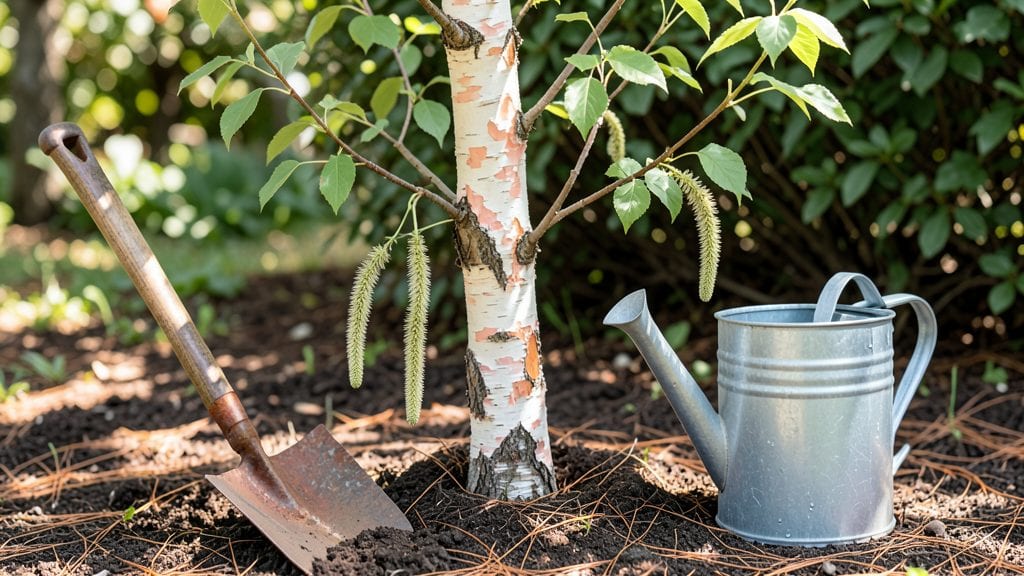
Planting trees in wet soil feels like fighting an uphill battle—until you know the right tricks. I’ve turned soggy spots into thriving tree homes by mounding soil, amending with compost, and picking the toughest native species, like willows or bald cypress that actually want the moisture.
The key isn’t draining the whole yard but giving roots room to breathe.
Start with a 12-inch mound of amended soil where the roots will settle, mixing in coarse sand or bark chips to break up clay. Native trees like river birch or swamp maple handle wet feet better than anything you’ll find at the nursery.
Even non-natives like red maple thrive if you lift them above the waterline—think of it like building a tiny hill for their roots.
After planting, mulch heavily with wood chips to slow water evaporation and keep soil temperatures stable. Avoid overwatering—wet soil stays wet, and roots need air too. In a few years, you’ll have a tree that’s not just surviving but sending up new shoots like it’s on vacation in a swamp.
The secret? Give them a dry start, then let nature take over.
This works for backyard plantings, rain gardens, or even flood-prone lots. The same principles apply whether you’re dealing with a low-lying yard or a spot that stays damp after heavy rains.
Once you’ve mastered the mound, you’ll never stress about wet soil again—your trees will thank you with stronger growth every season.
📚 In This Guide
- What you need
- Instructions
- Tips and common mistakes
- Wrapping up and next steps
What you need
- ● Tree saplings: 1-3 (native species like willows, bald cypress, or swamp maples work best—check local climate zones!)
- ● Shovel: 1 heavy-duty, rounded-edge spade (24–30 inches long for digging)
- ● Garden fork: 1 sturdy fork (for loosening compacted soil)
- ● Organic mulch: 2–3 cubic yards (pine straw, wood chips, or shredded leaves)
- ● Drainage materials: 10–20 lbs of perlite or coarse sand (for amending soil)
- ○ Optional: Drainage pipes (4-inch corrugated pipes, 5–10 feet long, if installing a French drain)
- ● Compost: 1–2 bags (for enriching soil post-planting)
- ● Watering can or hose: 1 with a gentle spray nozzle
- ● Pruning shears: 1 pair (for trimming damaged roots/branches)
- ● Soil test kit: 1 (to check pH and nutrient levels—wet soil often lacks oxygen!)
- ● Root stimulator: 1 bottle (mycorrhizal fungi or seaweed extract)
- ● Erosion control fabric: 1 roll (for sloped areas to prevent runoff)
- ● Stakes & ties: 4–6 stakes + soft ties (to support young trees in windy/wet conditions)
Instructions for planting trees in wet soil
Here’s how to give your trees the drainage they need to take root strong and healthy.
Test and Improve Soil Drainage Before Planting
Start by digging a hole about 12 inches deep and 2-3 times wider than the tree’s root ball. Fill it halfway with water and let it drain completely—this tells you how fast your soil absorbs moisture. If water sits for more than 24 hours, you’ll need to amend the soil.
Mix 2-3 inches of coarse sand or composted bark into the bottom of the hole to create a drainage layer. This prevents compaction and lets excess water escape. I like to blend equal parts sand and native soil—this keeps the tree’s roots from drying out too quickly while still improving drainage.
Prepare the Tree and Planting Site
Remove the tree from its container and gently loosen the roots if they’re circling or compacted. This encourages them to spread outward instead of staying tight. Place the tree in the hole so the top of the root ball sits 1-2 inches above ground level—this prevents waterlogging at the base.
Backfill the hole with a mix of native soil and 20% compost to promote root growth while maintaining drainage. Avoid packing the soil too tightly—it should feel firm but still allow roots to expand. Water the tree deeply to settle the soil around the roots.
Create a Raised Planting Bed for Better Drainage
If your soil stays soggy for long periods, build a raised mound about 6-12 inches high where the tree will go. Use a mix of native soil, compost, and perlite to keep it light and airy. This elevates the root zone, reducing the risk of water pooling around the base.
Shape the mound so it slopes gently away from the tree trunk—this directs water away from the roots. After planting, mulch the area with 2-3 inches of wood chips, keeping the mulch 6 inches away from the trunk to prevent rot. This helps regulate soil temperature and moisture without smothering the roots.
Monitor and Adjust for Long-Term Success
Water the tree deeply once a week unless rain provides 1 inch or more. Overwatering in wet soil can suffocate roots, so always check the soil 2 inches below the surface—if it’s damp, wait before watering again. A soil moisture meter helps avoid guesswork.
After 6-12 months, assess the tree’s health. If leaves yellow or growth stalls, the soil may still be too compacted. Dig a small test hole near the tree—if water pools again, add another 1-2 inches of sand or organic matter to the root zone. Healthy trees in wet soil need a balance: enough drainage to breathe, but enough moisture to thrive.
Tips & tricks for planting trees in wet soil
These proven strategies will help your trees thrive even in soggy conditions—no guesswork required.
The Drainage Test: That 24-hour water test in Step 1 is your golden rule for wet soil. If water disappears within 6 hours, your soil drains well enough. If it lingers beyond 24 hours, you'll need to amend the soil with more sand or organic matter. I've seen trees struggle when homeowners skip this step—don't make that mistake.
Root Ball Positioning: In Step 2, positioning the root ball 1-2 inches above ground level might seem counterintuitive, but this small elevation prevents water from pooling directly at the base. Think of it like creating a tiny hill where excess water can flow away naturally. This simple trick has saved many trees from root rot in my own garden.
Raised Bed Secrets: For the raised mound in Step 3, I recommend using a 60/30/10 mix of native soil, compost, and perlite. The perlite creates air pockets that prevent compaction while still holding moisture. Shape the mound with a slight slope away from the trunk—this directs water away from the roots like a natural drainage channel.
Long-Term Monitoring: The 6-12 month check in Step 4 is crucial. Yellowing leaves often signal compacted soil, not overwatering. If you notice this, dig a small test hole and add 1-2 inches of coarse sand or organic matter. I've seen trees that looked healthy at planting time fail within months because homeowners didn't do this follow-up check.
Pro Tips for Planting Trees In Wet Soil
- These proven strategies will help your trees thrive even in soggy conditions—no guesswork required.
- The Drainage Test: That 24-hour water test in Step 1 is your golden rule for wet soil.
- Root Ball Positioning: In Step 2, positioning the root ball 1-2 inches above ground level might seem counterintuitive, but this small elevation prevents water from pooling directly at the base.
Frequently asked questions
Got questions about tackling soggy soil? You’re not alone—wet conditions can turn tree planting into a challenge! Here are answers to the most common concerns, straight from the trenches (or, well, the mud).
Can I plant trees in wet soil right after heavy rain?
While you can plant during light rain, heavy downpours can compact soil or flood roots. Wait 24–48 hours for the ground to settle—this lets water drain and prevents root rot. If the soil is still saturated, improve drainage first (see our drainage hacks section!).
What’s the best way to improve drainage in wet soil before planting?
Start with a raised bed or mound (6–12 inches high) to lift roots above standing water. Mix in organic matter like compost or coarse sand (50/50 ratio) to loosen clay-heavy soil. For severe cases, install a French drain or plant in a swale (a shallow trench that redirects water).
How long does it take for wet soil to dry out enough for planting?
Timing depends on your climate and soil type. Sandy soil dries faster (1–3 days), while clay holds moisture for a week or more. Stick your finger 6 inches deep—if it’s damp but not dripping, it’s ready. Pro tip: Morning planting gives roots a full day to settle before evening rain.
Are there trees that thrive in wet soil instead of fighting it?
Native wetland species like willows, alder, river birch, or swamp maple love moisture. For drier climates, opt for red maple or dogwood, which tolerate occasional sogginess. Always check your USDA hardiness zone to match the tree to your local wet conditions.
My newly planted tree’s leaves are yellowing—is it root rot?
Yellowing leaves can signal root rot, but don’t panic! First, check the soil: Squishy, foul-smelling dirt = rot. Improve drainage immediately (see above). If the tree is still young (<2 years), it might just need time to adjust. Prune any mushy roots and apply a mycorrhizal fungus to boost root health.
Still stumped? Drop your specific soil type or tree species in the comments—we’re happy to help troubleshoot!
Wrapping up and next steps
Planting trees in wet soil can be a challenge, but with the right drainage strategies and preparation, you can help your trees thrive! 🌱 Whether you’re improving soil structure, choosing the right species, or using simple hacks like raised beds or sand amendments, every effort counts. Your green thumb and patience will make all the difference.
Ready to take action? Start by assessing your soil’s drainage today—dig a small test hole, observe how quickly water drains, and pick the best solution for your space. Small steps lead to big growth!