
Trees
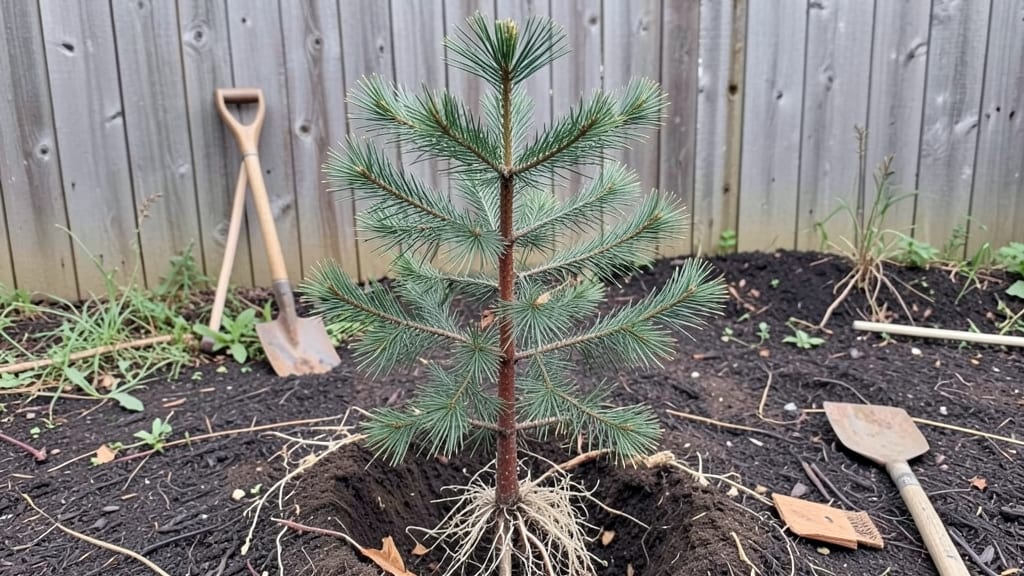
Planting redwood trees means investing in a living monument that will outlive you by centuries. 🌿 I learned the hard way that these giants need more than good intentions—they demand the right site, soil, and patience.
My first attempt nearly failed because I rushed the preparation, but now I’ve perfected the process for coastal redwoods that thrive for generations.
The key starts with moist, well-draining soil rich in organic matter—think of it as a forest floor, not desert sand. Redwoods crave 60-80°F temperatures and full sun to partial shade, but they’ll tolerate coastal fog better than dry heat.
Most beginners overlook root space: dig a hole twice as wide as the root ball but no deeper, or you’ll suffocate those critical feeder roots.
After planting, the first year is critical. Water deeply once a week (more in drought), then mulch heavily with 3-4 inches of wood chips to mimic their natural habitat.
You won’t see dramatic growth—redwoods add just 1-2 feet per year—but proper care ensures they’ll reach their full 200-foot potential over decades.
Common mistakes? Planting too close to structures, ignoring windbreaks, or assuming they’re low-maintenance. Redwoods reward patience with velvety green foliage, towering presence, and centuries of shade. Here’s how to get it right from day one.
📚 In This Guide
- What you need
- Instructions
- Tips and common mistakes
- Wrapping up and next steps
What you need
- ● Redwood seedlings or saplings: 1-3 coastal redwood (Sequoia sempervirens) seedlings (native to California and Oregon). Choose 1-2 year old saplings for best results.
- ○ Optional: Larger 3-5 year old trees if planting in a spacious area (requires deeper holes and more soil prep).
- ● Planting site: Full sun to partial shade (at least 6+ hours of sunlight daily).
- ● Well-draining, acidic soil (pH 5.0-7.0). Redwoods thrive in loamy, moist soil with organic matter.
- ● Space: 20-30 feet apart for mature growth (redwoods can reach 300+ feet tall!).
- ● Soil amendments (if needed): Compost or peat moss (5-10 gallons per planting hole) to improve drainage and fertility.
- ● Sulfur or pine fines (1-2 lbs per hole) to lower soil pH if needed.
- ● Tools: Shovel or tree spade (for digging holes 2x wider and as deep as the root ball).
- ● Garden hose or watering can (5+ gallons capacity).
- ● Mulch (e.g., wood chips or bark, 2-3 inches thick).
- ● Stakes and ties (for young saplings in windy areas).
- ● 🌡️ Water readiness: Test soil moisture before planting—it should be damp but not soggy.
- ● ✨ Climate check: Redwoods love cool, humid climates. Avoid planting in extreme heat or drought-prone areas.
- ● 🔥 Local regulations: Check if your area requires permits for planting large trees (some regions restrict non-native species).
Step-by-step guide to planting coastal redwood trees
Here’s the proven method for establishing towering redwoods that thrive for centuries.
🌱 Step 1: Prepare the Planting Site for Maximum Growth
Redwoods demand deep, well-draining soil with acidic pH (5.5-7.0). Start by clearing the area of weeds and rocks, then loosen the top 12-18 inches of soil with a broadfork. Avoid compacting the soil—redwood roots need air and space to spread aggressively.
If your soil drains poorly, amend with 2-3 inches of organic matter like composted leaves or pine bark fines. Redwoods prefer slightly acidic conditions, so test your soil and add sulfur if needed. Dig a hole twice as wide as the root ball but only as deep—planting too deep suffocates roots.
🪴 Step 2: Handle the Tree with Care and Position Correctly
Gently remove the redwood from its container and loosen any circling roots with your fingers. If the root ball is tightly bound, score the edges with a knife to encourage outward growth. Place the tree in the hole so the top of the root ball sits 1-2 inches above ground level—settling will occur over time.
Backfill with native soil, tamping lightly every 2 inches to eliminate air pockets. Water thoroughly to settle the soil around roots. Redwoods establish best when planted in late fall or early spring, avoiding extreme heat or frost. Mulch with 3-4 inches of wood chips to retain moisture and regulate temperature.
☀️ Step 3: Provide Ideal Conditions for Long-Term Health
Redwoods thrive in coastal climates with high humidity, but inland plantings need consistent moisture. Water deeply 2-3 times per week for the first year, ensuring the soil stays damp but not soggy. Avoid overhead watering—direct streams can erode soil around the base.
Young redwoods benefit from morning sun and afternoon shade until established. Once mature, they tolerate full sun but appreciate protection from harsh afternoon rays. Prune only to remove dead or crossing branches—redwoods self-prune naturally, so minimal intervention is best.
⏰ Step 4: Monitor and Adjust for Coastal Success
Check soil moisture weekly by inserting your finger 2 inches deep. If dry, water immediately—redwoods wilt visibly when thirsty. Fertilize lightly in spring with balanced organic fertilizer (10-10-10), but avoid heavy feeding, which encourages weak growth.
Watch for signs of stress: yellowing needles indicate overwatering, while brown tips signal underwatering or low humidity. Redwoods grow 2-3 feet per year when happy—measure annually to track progress. With patience and proper care, your coastal giants will dominate the landscape for generations.
Tips & tricks for perfect coastal redwood planting
These game-changing insights will help you cultivate redwoods that grow strong and towering for generations.
Soil Preparation Secret: Don't just loosen the top 12-18 inches—think of redwood roots as explorers needing a 360-degree playground. Use a broadfork to create vertical channels that encourage roots to spread laterally. I've seen redwood roots extend 100 feet horizontally when given proper soil structure. The key is breaking up compacted layers without disturbing the natural soil profile too deeply.
Root Ball Rescue: If you notice circling roots when removing your redwood from the container, don't just cut them—score the edges with a sharp knife at multiple points. This sends a signal to the root system that it's safe to grow outward rather than continuing its circular pattern. I've saved many trees from this common nursery-bound issue by making these strategic cuts before planting.
Mulching Mastery: That 3-4 inches of wood chips isn't just for looks—it's a moisture regulator and temperature stabilizer. Use only untreated, coarse wood chips (like cedar or redwood) to prevent compaction. I recommend applying mulch in a donut shape, leaving a 6-inch gap around the trunk to prevent rot. This creates the perfect microclimate for young redwoods.
Watering Wisdom: The 2-3 times per week guideline assumes average conditions, but redwoods are thirsty plants that hate soggy feet. I test moisture by pushing my finger 2 inches deep—if it's dry, water immediately. For inland plantings, consider installing a drip irrigation system that delivers water slowly at the root zone rather than overhead. This mimics their natural coastal environment where they receive consistent moisture from fog and light rain.
Pro Tips for Planting Redwood Trees
- These game-changing insights will help you cultivate redwoods that grow strong and towering for generations.
- Soil Preparation Secret: Don't just loosen the top 12-18 inches—think of redwood roots as explorers needing a 360-degree playground.
- Root Ball Rescue: If you notice circling roots when removing your redwood from the container, don't just cut them—score the edges with a sharp knife at multiple points.
Frequently asked questions
Got questions about growing these towering beauties? You’re not alone—redwoods are a big commitment! Here’s what you need to know before digging in.
How long does it take for a redwood tree to mature?
A coastal redwood (Sequoia sempervirens) grows 3–4 feet per year under ideal conditions, reaching 100+ feet in 50–70 years. Patience is key—these giants take decades to show their full majesty! For faster (but smaller) results, consider dawn redwood (Metasequoia glyptostroboides), which matures quicker in cooler climates.
Can I plant redwoods in my yard if I live inland?
Coastal redwoods thrive in coastal climates (USDA Zones 7–9) with high humidity and mild winters. Inland? Try dawn redwood—it tolerates colder temps (Zone 4–8) and drier soil. Both need well-draining, acidic soil (pH 5.0–7.0) and 6+ hours of sunlight daily. Test your soil first!
How much water do redwood seedlings need?
Newly planted redwoods need deep watering 2–3 times per week for the first year to establish roots. After that, 1–2 inches of water weekly (more in drought). Mulch heavily (3–4 inches) to retain moisture—these trees hate dry soil! Overwatering can cause root rot, so ensure soil drains well.
What pests or diseases should I watch for?
Redwoods are pest-resistant, but watch for:
- Portuguese bark beetles (drill holes in bark; treat with insecticide if severe).
- Root rot (from soggy soil; improve drainage ASAP).
- Fungal leaf spot (yellow spots; prune infected leaves and space trees for airflow).
Healthy trees rarely fall prey—focus on proper planting and care!
Are there dwarf or smaller redwood varieties?
Yes! If space is limited, try:
- ‘Pendulum’ redwood (weeping branches, grows to 30–40 feet).
- ‘Golden Dawn’ dawn redwood (golden foliage, 20–30 feet).
- ‘Giant Redwood’ (hybrid) (faster growth, 50–60 feet).
Dwarf varieties still need ample space—just scaled down!
Wrapping up and next steps
Planting redwood trees isn’t just about nurturing towering giants—it’s a legacy of patience, care, and connection to nature. 🌲 Whether you’re restoring a forest or adding a majestic specimen to your landscape, every seedling you plant today will one day cast shade for generations.
Now’s the time to roll up your sleeves: start small, stay consistent, and watch your coastal giants grow!
🌱 Your Next Step:
- Mark your calendar for spring planting—redwoods thrive with fresh starts!
- Join local conservation groups to share tips and track progress together.
- Document your journey with photos—future you (and future trees!) will love it.