
Aphids
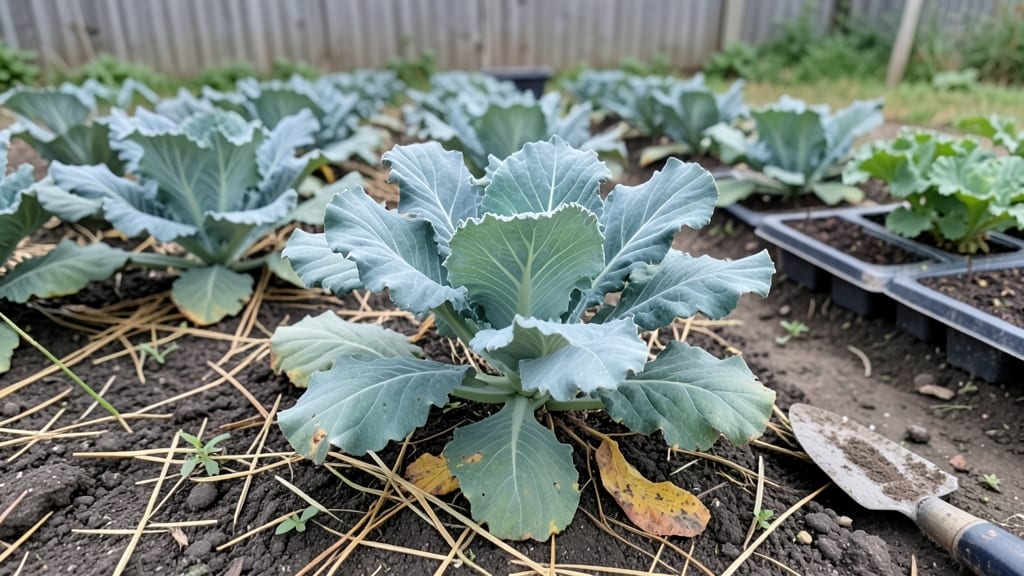
Planting kale in summer means beating the heat with the right varieties and tricks. 🌿 I learned the hard way that standard kale bolts by July—but these heat-tolerant types and simple adjustments keep it thriving when others fail.
The secret starts with soil: mix in 2-3 inches of compost before planting to lock in moisture, then top with straw mulch to shield roots from afternoon sun. Space plants 18 inches apart to improve airflow and reduce humidity stress, which is when pests like aphids strike hardest.
By combining shade cloth for peak heat days, companion plants like nasturtiums to deter pests, and consistent watering at the soil level, you’ll harvest crisp, sweet leaves straight through September. The key is working with summer’s intensity, not against it.
This works in zones 3-10, though Southern gardeners should plant in late summer for fall harvests. Northern growers can stretch summer kale by using black plastic mulch to warm the soil early—just watch for bolting signs and harvest outer leaves first.
📚 In This Guide
- What you need
- Instructions
- Tips and common mistakes
- Wrapping up and next steps
What you need
- ● Kale seedlings or seeds: Choose slow-bolt varieties like 'Winterbor' or 'Red Russian' (6–12 plants or 1 lb seeds).
- ● Well-draining soil: Mix compost (2–3 parts) with garden soil (1 part) for nutrient-rich beds.
- ● Fertilizer: Balanced organic fertilizer (10-10-10) or compost tea (1 tbsp per plant every 4 weeks).
- ● Watering can or hose: With a fine spray nozzle (1–2 gallons per plant, 2x/week).
- ● Pest-defense tools: Neem oil spray (1 tbsp + 1 tsp mild soap per gallon of water).
- ● Ladybugs or lacewing larvae (10–20 per plant for aphid control).
- ● Row covers (lightweight fabric, 3’x6’ for small gardens).
- ● Gloves & pruners: Garden gloves (nitrile-coated) and sharp pruners (sterilized with rubbing alcohol).
- ● Mulch: Straw or wood chips (2–3 inches) to retain moisture and deter pests.
- ● Drip irrigation kit: For effortless watering (save time + reduce aphid attraction).
- ● Reflective mulch film: (e.g., aluminum) to confuse aphids (lay under plants).
- ● Companion plants: Garlic, onions, or thyme (plant nearby to repel pests naturally).
Step-by-step instructions for planting kale in summer heat
Summer kale thrives with the right timing, shade, and pest prevention—here’s how to grow it strong.
🌱 Step 1: Choose the Right Varieties and Planting Window
For summer planting, select heat-tolerant varieties like 'Lacinato' or 'Red Russian'—they handle warmer temperatures better than standard types. Plant in late July to early August in most climates, giving seedlings 6-8 weeks to mature before cooler fall weather arrives. I always check my local frost dates and count backward to avoid bolting (when kale flowers prematurely).
Start seeds indoors 4-6 weeks before transplanting, or buy sturdy young plants from a nursery. If you’re sowing directly, wait until soil temperatures drop below 80°F—kale roots struggle in extreme heat. I test soil with my finger: if it feels too hot to hold for more than a few seconds, wait a few more days.
☀️ Step 2: Provide Strategic Shade and Soil Protection
Kale hates direct summer sun—it causes leaves to bolt or wilt. Use shade cloth (30-50%) or plant under taller crops like corn or sunflowers. I drape a lightweight shade net over my kale rows for 4-6 hours daily during peak afternoon heat. This keeps leaves tender and prevents bitterness.
Mulch heavily with 2-3 inches of straw or wood chips to keep roots cool and retain moisture. Water deeply once weekly (or more in extreme heat) to encourage deep root growth. You’ll see strong, upright plants instead of leggy, stressed ones. Avoid overhead watering—it promotes fungal diseases in humid summer air.
💧 Step 3: Implement Pest-Defense Tricks for Summer Growing
Cabbage worms and aphids love summer kale. I use neem oil spray (mix 1 tablespoon per gallon of water) every 7-10 days to deter pests naturally. For extra protection, plant basil or dill nearby—their scents repel common kale pests. I also handpick large caterpillars early in the morning when they’re sluggish.
Watch for hole-chewed leaves or sticky residue (aphid honeydew). If you spot damage, isolate affected plants and treat immediately. Healthy kale grows fast, so even with some pest pressure, you’ll still harvest plenty. I always keep a spray bottle of soapy water (1 tsp mild soap per quart) handy for quick treatments.
✂️ Step 4: Harvest Strategically for Continuous Yields
Start harvesting outer leaves when plants reach 8-10 inches tall, leaving the inner growth intact. This encourages bushier regrowth and extends the harvest season. I pick leaves in the morning when they’re crispest and most flavorful. For baby kale, harvest entire small plants at 4-6 inches—they’re perfect for salads.
If temperatures drop below 50°F, kale may develop a slight frost sweetness. But in summer, focus on shade and consistent watering to keep leaves tender. With these tricks, you’ll enjoy fresh kale straight from your garden well into fall.
Tips & tricks for thriving summer kale
A few simple adjustments can transform your summer kale from struggling to spectacular—here's how to maximize success.
Soil Temperature Test: The 80°F soil temperature threshold is non-negotiable for summer kale. I learned this the hard way after transplanting seedlings into scorching soil that cooked their delicate roots. Test with your finger—if you can't hold it against the soil for 3-4 seconds, wait another day. Consider using a soil thermometer for precise readings, especially in containers or raised beds that heat up faster.
Shade Timing Strategy: Those 4-6 hours of afternoon shade are crucial for preventing bolting. I've found that positioning shade cloth to cover the western side of plants (where the hottest afternoon sun hits) gives the best protection. For container growers, move pots to shaded areas between 12-4 PM during peak heat waves—this simple adjustment can mean the difference between crisp leaves and bitter, wilted ones.
Pest Prevention Proactive: The 7-10 day neem oil schedule works best when combined with companion planting. I always interplant my kale with nasturtiums (which deter aphids) and bush beans (which improve soil nitrogen). For organic growers, add a layer of diatomaceous earth around plant bases—it's a natural barrier against crawling pests without harming beneficial insects. The key is consistency: don't skip applications just because you don't see pests immediately.
Harvesting Technique: When harvesting those 8-10 inch plants, focus on the lower leaves first—this allows the plant to continue growing upward while you get continuous harvests. I've found that using clean, sharp scissors (disinfected with rubbing alcohol) prevents disease transmission between cuts. For baby kale, harvest the entire plant when leaves reach 4-6 inches—this gives you tender, salad-perfect leaves without waiting for full maturity.
Pro Tips for Kale Summer Planting
- A few simple adjustments can transform your summer kale from struggling to spectacular—here's how to maximize success.
- Soil Temperature Test: The 80°F soil temperature threshold is non-negotiable for summer kale.
- Shade Timing Strategy: Those 4-6 hours of afternoon shade are crucial for preventing bolting.
Frequently asked questions
Got questions about summer kale planting?
You’re not alone! Here are answers to the most common concerns—from timing to troubleshooting—so you can grow lush, pest-resistant kale all season long.
Can I plant kale in summer, or is it better to wait for cooler weather?
Kale can thrive in summer if you use heat-tolerant varieties (like Lacinato or Red Russian) and provide shade during peak heat (100°F+). Start seeds indoors 6–8 weeks before the last frost, then transplant seedlings after temperatures dip below 85°F. For extra resilience, mulch heavily to retain moisture and cool roots.
How do I protect my summer kale from aphids without chemicals?
Your article’s pest-defense tricks are key! Start with neem oil (spray leaves at dusk) or introduce ladybugs (natural predators). For a DIY boost, mix 1 tsp dish soap + 1 quart water and spray aphids directly. Reflective mulch (like aluminum foil) can also deter pests by confusing their navigation.
What’s the fastest way to revive wilted or bolting kale in summer heat?
Wilting or bolting (flowering) often signals stress. Immediately trim bolted stems to encourage new growth, then shade plants with floating row covers or a lightweight cloth. Water deeply at the base (not leaves) in the early morning to prevent fungal issues. If soil is dry, add compost mulch to retain moisture.
Are there summer-friendly alternatives to kale with similar nutrients?
Try swiss chard (heat-tolerant, packed with magnesium) or collard greens (thrive in 90°F+ weather). For a peppery kick, mustard greens grow fast and handle summer heat better than kale. All three are rich in vitamins A, C, and K—just like kale, but with less fuss!
How long does it take for summer-planted kale to mature?
With ideal conditions (cool evenings, consistent water), kale typically reaches harvest size (6–12 inches tall) in 45–60 days from transplanting. For a continuous supply, succession-plant seeds every 2–3 weeks after the initial transplant. Harvest outer leaves first to encourage regrowth!
Wrapping up and next steps
Planting kale in the summer isn’t as tricky as it seems—with the right pest-defense tricks, you’ll be harvesting crisp, vibrant leaves in no time! 🌱 By choosing heat-tolerant varieties, implementing companion planting, and leveraging natural repellents, you’re setting your garden up for success.
Remember, consistency is key, so keep an eye on those plants and adjust as needed.
Now that you’re armed with these tips, there’s only one thing left to do: get your hands dirty and start planting! Grab your seeds, pick your spot, and watch your kale thrive. Happy gardening! 🌿