
Companion Plants
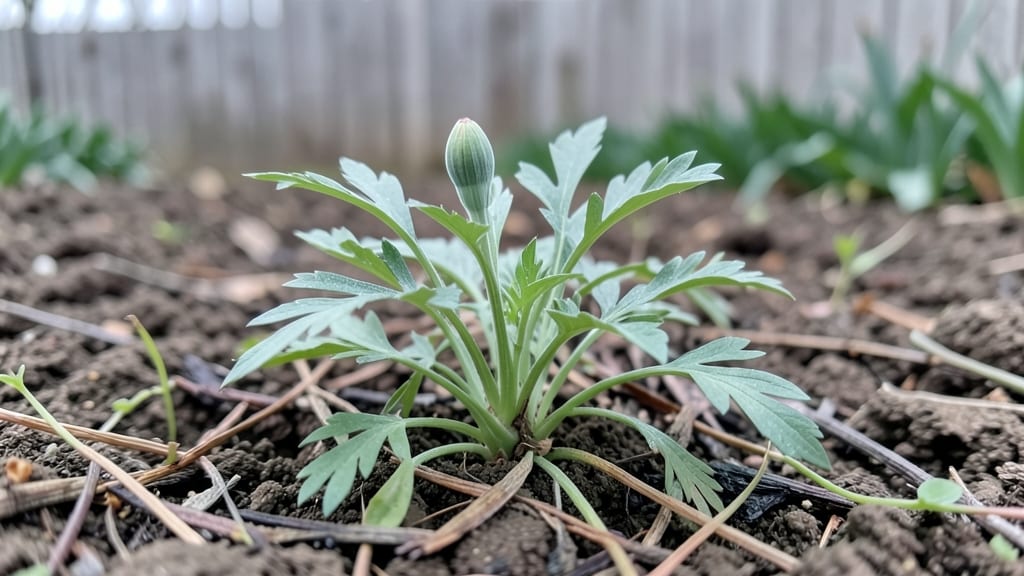
Planting poppy plants transforms any sunny corner into a field of bold, paper-thin blooms that dance in the breeze. 🌸 I’ll never forget the first time I scattered seeds in my backyard—within weeks, delicate stems emerged, followed by a riot of red, pink, and white that lasted all summer.
The key isn’t just the seeds; it’s the right soil, timing, and a little patience to coax those fragile stems into thriving plants.
You’ll need well-draining soil (poppies hate soggy roots), a spot with at least 6 hours of sun, and seeds planted just ¼ inch deep—no deeper, or they won’t sprout.
Spacing matters too: give them 6–12 inches apart for single blooms or let them self-seed freely for a wildflower meadow. The best time to plant? Early spring or late summer, when soil is warm but not scorching.
Water lightly after planting, then let nature take over—poppies despise overwatering. Once established, they’re drought-tolerant and nearly pest-proof. In just 6–8 weeks, you’ll see those iconic blooms opening, each lasting only a day but triggering a cascade of new flowers.
The trade-off? They’re annuals, but they self-seed like crazy, so you’ll have poppies for years without replanting.
For advanced gardeners, try deadheading spent blooms to extend the season or mix in companion plants like lavender to keep pests away. And if your poppies flop or fail to bloom?
Check your soil—too much nitrogen makes them leggy, while poor drainage can kill them outright. With the right conditions, though, these plants are shockingly low-maintenance for the drama they deliver.
📚 In This Guide
- What you need
- Instructions
- Tips and common mistakes
- Wrapping up and next steps
What you need
- ● Poppy seeds: Choose between Papaver rhoeas (common poppy) or Papaver somniferum (opium poppy, if legal in your area). Buy 1–2 packets (500–1,000 seeds) for a small garden or 5+ packets for a bold, full display.
- ● Well-draining soil: Poppies thrive in sandy or loamy soil with a pH of 6.0–8.0. Amend heavy clay with compost or perlite.
- ● Sunny planting site: At least 6–8 hours of direct sunlight daily—poppies love the heat!
- ● Watering can or hose: A gentle spray nozzle helps avoid disturbing seeds.
- ● Planting tray or direct sowing area: Poppies can be direct-sown outdoors or started in small seed trays (2–3 inches deep).
- ● Row markers or labels: Poppies are delicate—mark rows with bamboo stakes or biodegradable flags to avoid disturbing seedlings.
- ● Mulch (lightweight): Use straw or shredded leaves to retain moisture (but avoid heavy mulch, which can smother seeds).
- ● Fertilizer (low-nitrogen): A balanced 10-10-10 or bone meal (½ cup per 10 sq ft) boosts blooms.
- ● Poppy companion plants: Pair with lavender, marigolds, or cosmos for a stunning pollinator garden!
Step-by-Step instructions for planting poppy plants
Here's the straightforward approach I use to get those striking poppy blooms thriving in any sunny garden spot.
🌱 Step 1: Choose the Perfect Location and Prepare the Soil
Poppies demand full sun—at least 6-8 hours daily—so pick the sunniest, most open spot in your yard. They hate competition, so clear any weeds or grass within a 12-inch radius of where you'll plant. I like to test the soil by pinching a handful—if it crumbles easily, it's ready. If it sticks together, mix in 1-2 inches of compost to loosen it up.
Poppies prefer well-draining soil with a slightly alkaline pH. If your soil feels heavy or clay-like, work in 1 part sand for every 3 parts soil to improve drainage. The key is loose, airy soil that lets roots breathe. I always dig down 6-8 inches to aerate the planting area before adding the poppy plants.
🪴 Step 2: Plant at the Right Depth and Spacing
Poppy plants come in two forms: bare-root or potted. For bare-root plants, soak the roots in lukewarm water for 15-20 minutes before planting to encourage root growth. Dig a hole twice as wide as the root ball but only as deep as the top of the root system—poppies dislike being buried too deep. Gently place the plant in the hole and spread the roots outward.
Space your poppies 12-18 inches apart for single blooms or 6-12 inches apart if you want a dense, wildflower effect. I like to plant them in clusters of 5-7 for a dramatic look. Fill the hole with soil, pressing lightly around the base to eliminate air pockets. Avoid compacting the soil too firmly—poppies need room to grow.
☀️ Step 3: Water Wisely and Monitor Growth
After planting, water deeply—about 1 inch of water—to settle the soil and encourage root establishment. Poppies are drought-tolerant once established, but they need consistent moisture for the first 2-3 weeks. Water at the base of the plant in the morning to prevent fungal diseases. You'll know they're getting enough water when the soil feels moist but not soggy about 1 inch below the surface.
Poppies grow fast, so you'll see new leaves within 7-10 days. Avoid fertilizing—poppies thrive in lean soil and too much nitrogen will make them focus on foliage instead of those stunning blooms. If you notice the leaves yellowing, it’s usually a sign of overwatering or poor drainage. Let the soil dry out slightly between waterings once the plants are established.
✂️ Step 4: Deadhead and Maintain for Continuous Blooms
Poppies bloom only once per season, but you can encourage more flowers by deadheading—simply snip off the faded blooms with clean scissors right above the first set of leaves. This redirects the plant’s energy to produce new buds. I like to do this in the late afternoon when the blooms have fully faded but before the seeds form. This step keeps your poppies looking fresh and prolongs the flowering period.
Once the blooms are gone, leave the seed pods on the plant if you want next year’s poppies to self-seed. The pods will dry and split open, scattering seeds naturally. If you don’t want volunteers popping up everywhere, snip the pods off before they turn brown. Poppies are hardy and don’t need much maintenance—just keep the area around them weed-free and water occasionally during dry spells.
🌿 Step 5: Prepare for Next Season
In the fall, cut back the stems to 1-2 inches above the soil line to tidy up the garden. Poppies are perennial in mild climates but often self-seed so prolifically that they return year after year. In colder regions, they’ll reseed naturally, so you can skip this step if you love their wild, natural look. I always mark the spots where I’ve planted poppies with small stakes so I don’t accidentally disturb them when digging in the spring.
Poppies are low-maintenance once established, but they reward patience with bold, vibrant blooms that brighten any sunny garden. With just a little care, you’ll have a stunning display that lasts for weeks and keeps coming back year after year. Enjoy the process—they’re worth every bit of effort!
Tips & tricks for perfect poppy planting
These little details make all the difference between poppies that thrive and ones that struggle—trust me, I've learned this the hard way after seeing too many poppy plants flop.
Soil Prep Secret: In Step 1, when you're testing your soil, look for that perfect crumbly texture. If your soil feels like wet clay, mix in that 1 part sand to 3 parts soil ratio right where you're planting—not just in a general area. Poppies hate soggy feet, and this ensures their roots get the air they need to grow strong. I've found that adding a handful of coarse sand directly to the planting hole makes a world of difference for drainage.
Root Soaking Strategy: That 15-20 minute root soak in Step 2 isn't just about hydration—it's about waking up those dormant roots. Use lukewarm water (not cold, not hot) and let the roots drink up until they're plump and flexible. I like to give them a gentle squeeze—they should feel firm but still bendable. This simple step helps them establish faster and reduces transplant shock.
Watering Wisdom: After planting, those first 2-3 weeks are critical. Water deeply—about 1 inch total—every 2-3 days rather than giving them a little sip daily. This encourages roots to grow deeper, making your poppies more drought-resistant once established. I set a timer on my phone to remind me, because I've forgotten and had to replant before!
Deadheading Timing: When you're deadheading in Step 4, aim for that late afternoon window. This gives the plant time to recover from the day's heat before you're pruning. I've noticed that cutting right after the blooms fully fade (when they start looking a little wilted) gives the best results—it's the perfect signal that the plant is ready to redirect its energy to new buds.
Pro Tips for Planting Poppy Plants
- These little details make all the difference between poppies that thrive and ones that struggle—trust me, I've learned this the hard way after seeing too many poppy plants flop.
- Soil Prep Secret: In Step 1, when you're testing your soil, look for that perfect crumbly texture.
- Root Soaking Strategy: That 15-20 minute root soak in Step 2 isn't just about hydration—it's about waking up those dormant roots.
Frequently asked questions
Got questions about planting poppy plants? You’re not alone! Here are some of the most common queries—and their answers—to help you grow bold, beautiful blooms with confidence.
When is the best time to plant poppy seeds?
Poppies thrive when planted in early spring or late summer. They prefer cooler temperatures (50–75°F) and germinate best in well-drained soil. Avoid planting in hot, dry spells—seeds may dry out before sprouting. For a fall display, sow seeds 6–8 weeks before your first frost.
Do poppies need full sun, or can they grow in partial shade?
While poppies love full sun (6+ hours daily), they can tolerate partial shade—though blooms may be smaller or fewer. In hot climates, afternoon shade helps prevent wilting. Just ensure good airflow to avoid fungal issues. Experiment with your local microclimate for the best results!
How deep should I plant poppy seeds?
Poppy seeds are tiny and need light to germinate—plant them just ¼ inch deep in loose, well-drained soil. Press them gently into the earth (don’t cover with mulch) and water lightly. Over-planting is fine; poppies self-thin naturally as they grow.
Why aren’t my poppy seeds sprouting?
Poppies can be finicky! Common culprits include overwatering (seeds rot), compacted soil (blocks light), or old seeds (viability drops after 1–2 years). Try planting fresh seeds in a sunny, dry spot, and avoid disturbing them until sprouts appear (usually 7–14 days).
Can I grow poppies in containers, or do they need garden space?
Poppies adapt well to containers if given at least 6-inch depth and drainage holes. Use a lightweight potting mix and place pots in full sun. Dwarf varieties (like Papaver commutatum) are ideal for small spaces. Just avoid overcrowding—poppies need room to sway in the breeze!
Still stumped? Drop your poppy-growing woes in the comments—we’re happy to help!
Wrapping up and next steps
Planting poppy plants is a rewarding journey that brings vibrant color and effortless beauty to your garden! 🌸 With the right sunny spot, well-draining soil, and a few simple steps, you’ll soon enjoy their cheerful blooms—perfect for companion planting or standalone charm.
Whether you’re a seasoned gardener or just starting, these bold bloomers are a fantastic addition to any outdoor space.
Now that you’re armed with tips and tricks, grab your seeds and get growing! 🌱 Start small, experiment with varieties, and watch your garden transform into a poppy-filled paradise. Happy planting!