
Blooming
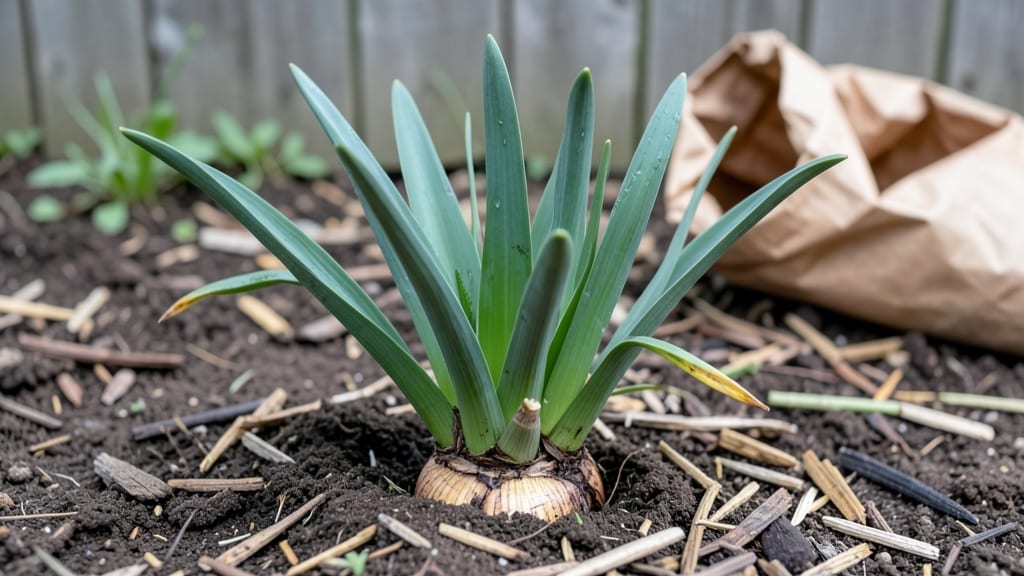
Planting hyacinths outdoors in fall turns your garden into a springtime perfume factory—just dig, drop, and forget until blooms appear. 🌱 I’ve buried dozens of these bulbs over the years, and the ones that thrive follow three simple rules: well-draining soil, the right depth, and timing them with the first frost.
The payoff? Clusters of fragrant purple, pink, or white blooms that outshine store-bought flowers.
You’ll need a sunny spot (at least 6 hours of light daily), loose soil amended with compost, and a trowel for planting. Hyacinths want to sit 6 inches deep, with 4–6 inches between bulbs—think of them as snug but not crowded.
The key is planting them 6–8 weeks before your first frost, so roots establish before winter sets in. Water them once after planting, then let nature take over.
By late spring, you’ll have 3–4 weeks of nonstop fragrance that draws bees and butterflies like a magnet. The bulbs often rebloom if you leave them in the ground, though they might fade slightly over time.
Just watch for soggy soil (hyacinths hate rot) and crowded foliage (trim spent blooms but leave the leaves until they yellow naturally).
Works in borders, containers, or even under trees where other plants struggle. Once you’ve mastered the basics, you can experiment with colors and varieties—just remember, the earlier you plant, the bigger the spring show. Let’s get those bulbs in the ground!
📚 In This Guide
- What you need
- Instructions
- Tips and common mistakes
- Wrapping up and next steps
What you need
- ● Hyacinth bulbs: 5–10 bulbs per cluster (choose healthy, firm bulbs with no soft spots or mold).
- ● Well-draining potting mix or garden soil: 1–2 bags (or enough to fill your planting area to a depth of 6–8 inches).
- ● Compost or organic fertilizer: 1 small bag (for enriching soil before planting).
- ● Garden trowel or bulb planter: 1 (for digging holes with ease).
- ○ Gloves (optional but recommended): 1 pair (to protect hands from soil and sharp bulb edges).
- ● Mulch (straw, pine needles, or shredded leaves): 1–2 inches (to insulate bulbs in winter).
- ● Slow-release bulb fertilizer: 1 packet (for extra nourishment during dormancy).
- ● Garden stakes or labels: 1–2 (to mark planting spots if needed).
- ● Watering can with a rose attachment: 1 (for gentle, even watering).
Step-by-Step instructions for planting hyacinths outdoors
Here’s the simple method I’ve used for years to get reliable blooms—no digging experience needed.
🌱 Step 1: Choose the Right Spot and Timing
Hyacinths thrive in full sun to partial shade—at least 6 hours of sunlight daily. They also need well-draining soil, so avoid low spots where water pools. I always plant mine in late fall, 6-8 weeks before the first hard frost—this gives roots time to establish before winter.
If your soil drains poorly, mix in a handful of sand or perlite when planting. You’ll know you’ve picked the right spot when the area stays dry after rain and gets plenty of morning sun.
🪴 Step 2: Prepare the Soil and Plant Bulbs
Loosen the soil to a depth of 12 inches with a trowel or fork. Hyacinths need room to spread their roots, so space bulbs 4-6 inches apart in rows 6 inches apart. Dig a hole 6 inches deep—this ensures the bulb’s base sits 4-6 inches underground.
Place the bulb in the hole with the pointed end facing up. If you’re unsure, the flat side should rest on the bottom. Gently backfill with soil and press lightly to remove air pockets. This prevents rot and encourages strong root growth.
💧 Step 3: Water and Mulch for Winter Protection
Water the planted area thoroughly until the soil is moist 6 inches down. After watering, apply a 2-inch layer of mulch (like shredded leaves or straw) to insulate the bulbs over winter. This keeps the soil temperature stable and protects against freezing.
Don’t overwater after planting—hyacinths need to dry out slightly between waterings. In spring, you’ll see green shoots emerge when the soil temperature rises above 40°F.
☀️ Step 4: Maintain Through Spring and Summer
Once flowers appear, keep the area weeded but avoid disturbing the bulbs. After blooming, let the foliage die back naturally—this recharges the bulb for next year. Reduce watering in late summer to encourage dormancy.
Hyacinths are low-maintenance, but you’ll get the best results by fertilizing lightly in early spring with a balanced 10-10-10 fertilizer. Stop fertilizing after blooming to avoid weakening the bulb.
⏰ Step 5: Plan for Next Year’s Blooms
In late summer, after the leaves turn yellow, cut them back but leave the bulb in the ground. Hyacinths multiply over time, so you’ll often see new bulbs forming nearby. Divide and replant any crowded clumps in fall for even more flowers.
This is the moment that matters: if you skip fertilizing or mulching, blooms will be smaller. But with this care, you’ll have fragrant clusters year after year with almost no effort.
Tips & tricks for perfect hyacinth planting
These simple tricks will help you avoid common mistakes and get the most vibrant blooms from your hyacinths.
Location is Everything: Pay special attention to Step 1 when choosing your planting spot. That 6 hours of sunlight is non-negotiable for strong blooms. I've found that morning sun with afternoon shade works best in hotter climates—it prevents the bulbs from overheating while still getting plenty of light. Also, watch for areas where water pools after rain—hyacinths absolutely hate soggy soil.
Planting Depth Matters: When you're digging those 6-inch deep holes in Step 2, remember that deeper isn't always better. Planting too deep can actually prevent blooming. The bulb's base should sit 4-6 inches underground—no more, no less. I've seen gardeners plant them at 8 inches deep by accident, and those bulbs took years to bloom properly.
Mulch Like a Pro: That 2-inch layer of mulch in Step 3 isn't just decoration—it's insulation. Use straw or shredded leaves (avoid wood chips which can compact). I like to add a second thin layer in early winter if we get particularly harsh freezes. The mulch should protect down to where your bulbs are planted, keeping soil temps stable above 40°F.
Fertilizer Timing: The early spring application of 10-10-10 fertilizer in Step 4 is crucial, but don't overdo it. I've learned the hard way that fertilizing after blooming weakens the bulb for next year. Think of it as giving your hyacinths a gentle wake-up call in spring—not a late-night energy drink before bedtime!
Pro Tips for Planting Hyacinths Outdoors
- These simple tricks will help you avoid common mistakes and get the most vibrant blooms from your hyacinths.
- Location is Everything: Pay special attention to Step 1 when choosing your planting spot.
- Planting Depth Matters: When you're digging those 6-inch deep holes in Step 2, remember that deeper isn't always better.
Frequently asked questions
Got questions about planting hyacinths outdoors? You’re not alone! Here are some of the most common concerns—plus straightforward answers to help you grow fragrant, fuss-free blooms.
When is the best time to plant hyacinths outdoors?
Plant hyacinth bulbs in fall (6–8 weeks before the first frost) for spring blooms. In warmer climates (zones 7–9), plant in late fall or early winter. Avoid planting in summer—they need a cool dormancy period to thrive. Pro tip: Check your USDA zone for precise timing!
Can I plant hyacinths in pots or containers?
Hyacinths thrive in containers—just use a pot with drainage holes and well-draining soil. Choose a 6-inch-deep container for single bulbs or larger pots for clusters. Place them in a sunny spot and move indoors if frost threatens (they’re tender perennials).
How do I protect hyacinths from pests or diseases?
Hyacinths are generally pest-resistant, but squirrels and rodents may dig them up. Use chicken wire or bulb cages when planting. Watch for rot (from overwatering)—ensure soil drains well. If leaves yellow, it may signal overcrowding or fungal issues; thin bulbs or improve airflow.
Do hyacinths come back every year?
In cold climates (zones 3–6), hyacinths are perennial and will return yearly if left undisturbed. In warmer zones (7+), they may not survive winters outdoors—dig them up after blooming, store in a cool, dry place, and replant in fall.
What’s a good companion plant for hyacinths?
Pair hyacinths with low-growing perennials like heuchera, ajuga, or creeping thyme to complement their height. Avoid planting near tulips or daffodils—they share pests. For fragrance, try lavender or roses nearby. Bonus: Their early blooms attract pollinators!
Wrapping up and next steps
Planting hyacinths outdoors is a rewarding and low-maintenance way to add vibrant color and intoxicating fragrance to your garden. 🌸 With the right soil, sunlight, and a little patience, these bulbs will thrive and bloom beautifully year after year.
Now that you’re equipped with all the tips and tricks, it’s time to roll up your sleeves and get planting!
Ready to transform your outdoor space? Start by selecting your favorite hyacinth varieties and mark your calendar for next fall—when the real magic happens! Happy gardening! 🌱