Propagation
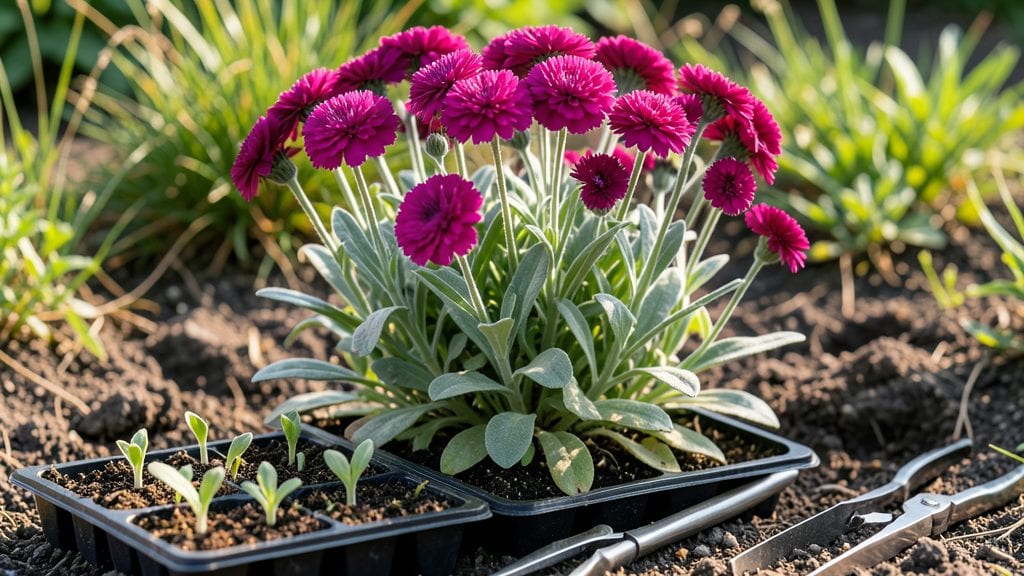
Planting dianthus seeds right means those candy-pink blooms will pop up in just 6-8 weeks instead of months. I’ve learned the hard way that dianthus seeds need a little coaxing—too much water, and they rot; too little, and they never wake up.
The secret isn’t complicated, but it’s not what most guides tell you either.
Start with a shallow tray and a mix of potting soil and perlite—just enough grit to keep those tiny seeds from smothering. Plant them 1/8-inch deep, barely covering them, and keep the soil damp but never soggy.
A humidity dome or plastic wrap helps, but check daily for mold. Most gardeners overwater here, and that’s what kills them before they even sprout.
Within 10-14 days, you’ll see those first green shoots—tiny but determined. They’ll need bright light from day one, or they’ll stretch leggy and weak. Once they’ve got a few leaves, thin them to 4 inches apart, and you’ll have a carpet of color by summer.
The payoff? A border that smells like candy and blooms nonstop.
Works best in spring or early fall, but if you’re in a warm zone, you can cheat the season with a grow light. The key is patience—dianthus seeds are slow starters, but once they break through, they’re unstoppable. Let’s get those trays ready!
📚 In This Guide
- What you need
- Instructions
- Tips and common mistakes
- Wrapping up and next steps
What you need
- ● Dianthus seeds: Choose fresh, high-quality seeds (e.g., Dianthus barbatus or Dianthus chinensis)—aim for 10–20 seeds per planting area.
- ● Seed-starting mix: A lightweight, well-draining blend (e.g., 50% peat moss + 50% perlite/vermiculite). Avoid garden soil—it’s too dense!
- ● Containers: Small pots (3–4 inches deep) or seed trays with drainage holes. 1–2 seeds per cell or 2–3 seeds per pot works well.
- ● Grow lights or sunny windowsill: Dianthus seeds need 12–16 hours of light daily. A full-spectrum LED grow light is ideal.
- ● Spray bottle: For gentle watering (avoid soaking the soil).
- ● Plastic wrap or humidity dome: Keeps moisture in during germination (critical for the first 2 weeks).
- ● Plant labels: Mark seeds with date planted and variety (toothpicks + masking tape work too!).
- ○ Heating mat (optional): Speeds up germination (keep soil at 65–75°F).
- ● Fertilizer (after sprouting): A balanced liquid fertilizer (5-5-5 or 10-10-10), diluted to half-strength.
- ● Tweezers: For delicate seed placement (especially tiny varieties).
- ● Hardening-off tray: A shallow tray with mesh sides to acclimate seedlings to outdoor conditions.
Step-by-step instructions for planting dianthus seeds
Here’s how to get your dianthus seeds sprouting in just 7-14 days—no waiting months for stubborn germination.
Prepare Containers and Sterile Seed Starting Mix
Use small, shallow trays with drainage holes to give dianthus seeds room to spread without crowding. Fill them with a light, sterile seed-starting mix that drains quickly—dianthus roots rot easily in soggy soil. I like to mix the 1 gallon of seed-starting mix with 1 cup of perlite to keep it airy. Moisten the mix until it feels like a damp sponge, not dripping wet.
Press the soil surface down lightly with your fingers to create a firm seedbed. This prevents seeds from washing away when you water. A flat, even surface ensures consistent contact between the seed and soil, which speeds up germination. If your mix is too loose, tap the tray gently on the table to settle it.
Sow Seeds Shallowly and Space Them Evenly
Dianthus seeds need light to germinate, so don’t bury them deep. Scatter them 1/8 inch deep—just a light dusting of soil over the top. I use a toothpick to space them 1/4 inch apart in rows, so they’re not too crowded. Overcrowding leads to weak, leggy seedlings that struggle later.
Gently mist the soil with a spray bottle until it’s evenly moist but not soaked. Avoid water pressure that could dislodge the tiny seeds. Once sown, place the tray in a warm, bright spot—70-75°F is ideal for fast germination. You’ll see the first sprouts in 7-14 days, but keep the soil consistently moist until then.
Provide Warmth and Bright Light for Germination
Dianthus seeds germinate fastest with bottom heat, so place the tray on a seedling heat mat set to 75°F. Without this, germination can take 3-4 weeks instead of days. Keep the soil surface covered with a clear plastic dome or plastic wrap to retain humidity—just remove it for 10 minutes daily to prevent mold.
Once the first true leaves appear (not the initial seed leaves), move the seedlings to a sunny windowsill or under grow lights for 14-16 hours daily. Dianthus seedlings need bright light to stay stocky, not stretchy. If they lean toward the light, rotate the tray daily so they grow evenly. Weak, leggy seedlings won’t thrive once transplanted.
Thin Seedlings and Harden Off Before Transplanting
When seedlings have 2-3 sets of true leaves, thin them to 3 inches apart to reduce competition. Use small scissors to snip unwanted seedlings at soil level—pulling can disturb roots. This ensures the remaining plants get enough nutrients and sunlight to grow strong.
Two weeks before your last frost date, start hardening off the seedlings by placing them outside in a sheltered spot for 1-2 hours daily. Gradually increase their time outdoors over 10-14 days, so they adjust to wind and sun. Transplant them into the garden after all danger of frost has passed, spacing them 12-18 inches apart in well-draining soil.
Maintain Moisture and Fertility for Fast Blooms
After transplanting, water deeply 1-2 times weekly, letting the soil dry slightly between waterings. Dianthus roots rot easily in soggy soil, so avoid overhead watering—direct the stream at the base of the plant. A 1-inch layer of mulch helps retain moisture and keeps weeds down.
Feed the plants with a balanced, water-soluble fertilizer every 4-6 weeks during the growing season. You’ll see vibrant blooms in 8-10 weeks if they get full sun and well-draining soil. Deadhead spent flowers to encourage more blooms and prevent self-seeding, which can lead to weak offspring.
Tips & tricks for planting dianthus seeds
Fast germination is all about creating the perfect environment—here’s how to maximize your chances of success.
Soil Texture is Everything: The mix of 1 gallon of seed-starting mix with 1 cup of perlite creates ideal drainage while keeping moisture levels perfect for dianthus. If you don’t have perlite, crushed gravel or coarse sand works in a pinch, but avoid fine sand that can compact. The key is maintaining that "damp sponge" texture—if water runs through too quickly, add a bit more seed-starting mix.
Germination Speed Secret: Those 7-14 days you’re aiming for? The 75°F heat mat is non-negotiable for fast results. Without it, germination can stretch to 3-4 weeks. If you don’t have a heat mat, place your tray on top of your refrigerator (not inside) where it stays consistently warm. The warmest spot in your home will make all the difference in seeing those first sprouts quickly.
Lighting Strategy: Once you see true leaves (not the initial seed leaves), the 14-16 hours of grow light becomes critical. If using a windowsill, rotate the tray daily so all seedlings get equal light exposure—this prevents them from leaning toward the light source. I’ve seen seedlings grow completely lopsided when left in one position, making them weak and prone to falling over.
Thinning Technique: When thinning to 3 inches apart, use small scissors to snip at soil level rather than pulling. This prevents disturbing the roots of your remaining seedlings. I’ve found that seedlings thinned this way recover faster and grow stronger. If you’re nervous about using scissors, try a clean, sharp knife instead—just be gentle to avoid damaging nearby plants.
Pro Tips for Planting Dianthus Seeds
- Fast germination is all about creating the perfect environment—here’s how to maximize your chances of success.
- Soil Texture is Everything: The mix of 1 gallon of seed-starting mix with 1 cup of perlite creates ideal drainage while keeping moisture levels perfect for dianthus.
- Germination Speed Secret: Those 7-14 days you’re aiming for?
Frequently asked questions
Got questions about growing dianthus from seeds? You’re not alone—this delicate yet rewarding process can feel tricky at first! Below, we’ve rounded up the most common queries to help you avoid pitfalls and nurture those vibrant blooms like a pro.
How long does it take for dianthus seeds to germinate?
Patience is key! Dianthus seeds typically take 14 to 30 days to sprout, depending on temperature and moisture. Keep the soil consistently moist (not soggy) and maintain warmth (around 65–75°F). If you’ve waited 4 weeks with no signs of life, try gently pressing the seeds into the soil—some varieties need light to trigger germination.
Can I plant dianthus seeds directly outside, or should I start indoors?
For best results, start indoors 6–8 weeks before your last frost—dianthus seeds are tiny and delicate, and outdoor conditions (like cold or pests) can hinder germination. Once seedlings have 2–3 sets of true leaves and nighttime temps stay above 50°F, they’re ready for transplanting. If you’re in a warm climate, direct sowing in early spring works, but success rates drop.
Why aren’t my dianthus seeds sprouting? Troubleshooting tips!
Don’t panic—here’s a quick checklist:
- Light issues: Some seeds need sunlight to germinate. Try placing the tray near a bright window or use a grow light.
- Moisture problems: Overwatering can drown seeds, while dry soil halts growth. Use a spray bottle for gentle hydration.
- Temperature shock: If your home is too cold (<50°F), move the tray to a warmer spot (like on top of the fridge).
- Old seeds: Dianthus seeds lose viability after 1–2 years. Check the packet date!
What’s the best soil mix for dianthus seeds?
Dianthus thrives in well-draining, slightly gritty soil to prevent rot. Mix equal parts seed-starting potting mix and perlite or coarse sand for aeration. Avoid heavy garden soil—it compacts and traps moisture. A pH of 6.0–7.0 is ideal, so add a bit of lime if your soil leans acidic. Pro tip: Sterilize your mix with a 10-minute bake at 200°F to kill fungi or bacteria.
How do I care for dianthus seedlings once they sprout?
Once those first leaves appear, shift to low-light care (12–14 hours of light daily) to prevent leggy growth. Water from the bottom to avoid disturbing roots, and avoid fertilizing until seedlings have 4–6 leaves. Harden them off 1 week before transplanting by gradually exposing them to outdoor conditions. Pinch back the tips when they’re 4–5 inches tall to encourage bushier growth.
Wrapping up and next steps
Planting dianthus seeds is a rewarding journey that leads to vibrant, fragrant blooms—and you’ve got all the tools to succeed! 🌸 From choosing the right soil to mastering light and patience, these germination secrets set you up for lush, healthy plants.
Whether you’re a beginner or a seasoned gardener, every tiny seed has the potential to burst into color with the right care.
Now that you’re armed with knowledge, take the next step: grab those seeds, set up your growing space, and watch your garden transform! Start planting today—your future dianthus blooms will thank you. 🌱✨