
Plants
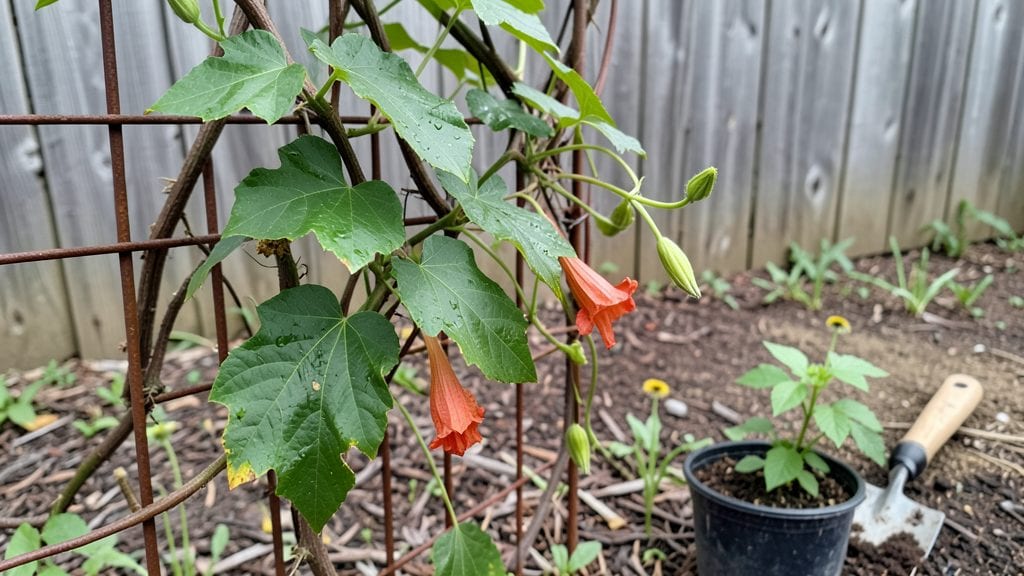
Planting hummingbird vine transforms any sunny fence or trellis into a buzzing, blooming magnet for pollinators. 🌿 I’ve watched this vine go from a 6-inch starter to a 15-foot cascade of red tubular flowers in just one season—it’s one of the fastest-growing climbers I’ve ever worked with.
The key is getting it in the ground right, where it can spread its roots and send out those vigorous vines that hummingbirds can’t resist.
The secret to its success starts with well-draining soil and a spot that gets at least 6 hours of full sun daily—it won’t tolerate shade. Amend heavy clay with compost to keep roots happy, and space plants 8-10 feet apart if you want them to sprawl without crowding.
Water deeply after planting, then let the soil dry slightly between waterings—overwatering is the #1 way to kill this tough plant.
By midsummer, you’ll have a wall of vibrant blooms that hummingbirds will defend like territory. The flowers are shockingly lush, with a deep red that stands out against any backdrop, and they keep coming all season long.
Just be ready for the vines to climb—this isn’t a plant that plays nice with boundaries.
It thrives in zones 4-9, making it versatile for most gardens, and handles drought once established. The only real challenge is keeping it from overtaking everything in its path—so give it room to stretch. Here’s how to set it up for maximum impact.
📚 In This Guide
- What you need
- Instructions
- Tips and common mistakes
- Wrapping up and next steps
What you need
- ● Hummingbird vine seeds or young plants: 1–3 (choose from reputable nurseries for disease-resistant varieties).
- ● Well-draining potting mix or garden soil: 5–10 gallons (amend with compost for nutrient-rich soil).
- ● Container or garden bed: For containers: 5–15 gallon pot with drainage holes (minimum 12" deep).
- ● For in-ground planting: Space 10–15 feet apart (or closer in containers).
- ● Support structure: Trellis, arbor, fence, or sturdy stake (6+ feet tall).
- ● Watering can or hose with gentle nozzle: For consistent moisture (avoid soggy roots!).
- ● Pruning shears (for shaping and deadheading).
- ● Garden gloves (to protect from thorns).
- ● Mulch (2–3 inches of organic mulch to retain moisture).
- ● Slow-release fertilizer (balanced 10-10-10 or organic options).
- ● pH testing kit (ideal soil pH: 6.0–7.0).
- ● Sunlight: Full sun (6+ hours of direct light daily).
- ● Hardiness zone: 4–9 (check your zone here).
- ● Patience: Seeds may take 1–2 years to bloom; young plants reward you faster!
Step-by-step instructions for planting hummingbird vine
Here’s how to plant this sun-loving climber for vibrant blooms all season long.
🌱 Step 1: Choose the Perfect Spot in Full Sun
Hummingbird vine thrives in at least 6 hours of direct sunlight daily, so pick a south- or west-facing location. If your yard has dappled shade, the vine will still grow but produce fewer flowers. I always test the spot first by placing a white piece of cardboard in the ground for an hour—if it gets hot to the touch, it’s ideal.
This vine loves to climb, so install a sturdy trellis, fence, or pergola nearby. The more support it has, the more dramatic its growth will be. If planting near a wall, leave at least 12 inches of clearance so the stems can wrap naturally without smothering.
🪴 Step 2: Prepare the Soil for Healthy Growth
Hummingbird vine tolerates a range of soil types but performs best in well-draining, slightly acidic soil (pH 6.0–7.0). Before planting, loosen the top 12 inches of soil with a garden fork to improve aeration. If your soil is heavy clay, mix in 2–3 inches of compost to help it drain better.
Dig a hole twice as wide as the vine’s root ball but only as deep as the container it came in. This prevents burying the stem too deeply, which can cause rot. Gently tease the roots apart if they’re circling the root ball—this encourages them to spread into the surrounding soil.
💧 Step 3: Plant and Water Deeply
Place the vine in the hole, ensuring the top of the root ball sits level with the ground. Backfill with soil, pressing lightly to remove air pockets but not compacting too firmly. Water deeply right after planting—this helps settle the soil and removes any air gaps around the roots.
Add 1–2 inches of mulch around the base (but not touching the stem) to retain moisture and suppress weeds. I like to use wood chips or straw because they break down slowly and improve soil structure over time. Water again every 2–3 days until new growth appears—this keeps the soil consistently moist but not soggy.
☀️ Step 4: Train the Vine and Encourage Climbing
As the vine grows, gently guide the stems onto the trellis or support structure. Hummingbird vine twines naturally, but young shoots may need a little help wrapping around the lattice. Avoid tying the stems tightly—let them curl and cling on their own for the best results.
Prune lightly in early spring to shape the vine and remove any dead or crossing branches. You’ll also want to trim back one-third of the previous year’s growth after the first flush of flowers fades. This encourages longer, bushier blooms the following season. Watch for reddish-orange tubular flowers—they’ll start appearing in late spring and continue through fall.
⏰ Step 5: Maintain Through the Growing Season
Hummingbird vine is drought-tolerant once established, but young plants need consistent moisture during their first growing season. Water deeply once a week unless you’ve had less than an inch of rain—this encourages deep root growth. Overwatering is the biggest mistake, as it leads to root rot.
Fertilize once in early spring with a balanced, slow-release fertilizer (like 10-10-10) to support vigorous growth. Avoid heavy feeding later in the season, as this can reduce flower production. Deadhead spent blooms occasionally to prolong the flowering season—just pinch off the faded flowers with your fingers.
Tips & tricks for planting hummingbird vine
Took me a while to figure these out, so here goes—these small details make all the difference with hummingbird vine.
Sunlight Secret: That 6-hour sunlight minimum is non-negotiable for peak blooms. If your yard only gets 4-5 hours, consider planting in a container you can move to sunnier spots. I learned this the hard way after watching my vine struggle in partial shade—it grew leaves but barely flowered. Test your spot with the cardboard trick first, and if it's not hot to the touch after an hour, find another location. The more direct sunlight, the more vibrant those reddish-orange flowers will be.
Support Strategy: Don't skimp on the trellis or fence! Hummingbird vine can grow 10-15 feet in a single season, and weak supports will sag under the weight. I've seen vines snap under their own weight when attached to flimsy lattice. Choose something sturdy like metal trellis or heavy-duty wooden posts. For vertical gardens, use a wire mesh system that can handle the vine's aggressive growth pattern.
Soil Prep Tip: The 12 inches of loosened soil in Step 2 isn't just about aeration—it's about creating room for those roots to spread. If your soil is particularly compacted, rent a soil aerator for the area before planting. For clay soil, mix in that 2-3 inches of compost right into the hole you dig, not just around it. This ensures the roots have optimal growing conditions from the start rather than battling poor soil later.
Watering Wisdom: Those first 2-3 days of frequent watering are critical. I've seen new plants wilt dramatically within days when not given this consistent moisture. After the initial planting, check soil moisture by sticking your finger 2 inches down—if it's dry, water again. The goal is to keep the root zone moist but never soggy, especially important since hummingbird vine is prone to root rot if overwatered.
Pro Tips for Planting Hummingbird Vine
- Took me a while to figure these out, so here goes—these small details make all the difference with hummingbird vine.
- Sunlight Secret: That 6-hour sunlight minimum is non-negotiable for peak blooms.
- Support Strategy: Don't skimp on the trellis or fence!
Frequently asked questions
Got questions about growing hummingbird vine? You’re not alone! Here are answers to the most common queries to help you cultivate this stunning climber with confidence.
When is the best time to plant hummingbird vine?
Plant hummingbird vine in early spring after the last frost, when soil temperatures are consistently above 60°F (15°C). This gives roots time to establish before summer heat. If you’re in a mild climate, fall planting (6-8 weeks before frost) also works well. Avoid planting in winter—it’s sensitive to cold!
How fast does hummingbird vine grow, and how tall can it get?
This vine is a fast grower, often shooting up 6–10 feet per season with proper care! In ideal conditions, it can reach 20–30 feet tall (or wider if left unpruned). Provide a sturdy trellis, fence, or arbor to support its vigorous growth. Prune lightly after flowering to encourage bushier blooms next year.
Why aren’t hummingbirds visiting my hummingbird vine?
If hummingbirds ignore your vine, check these fixes:
- Bloom timing: Hummingbirds are most active when flowers are fully open (spring to early summer). Late blooms may attract fewer visitors.
- Location: Plant in full sun (6+ hours daily) and near water sources (birdbaths or fountains).
- Nectar supply: Add a hummingbird feeder nearby if natural blooms are sparse.
- Pests: Fungal issues (like powdery mildew) can reduce blooms—treat with neem oil if needed.
Can hummingbird vine survive winter in cold climates?
Hummingbird vine (Campsis radicans) is hardy to USDA Zones 7–10. In colder areas (Zones 6 or below), plant it in a sheltered spot near a south-facing wall. Mulch heavily in fall and cut back dead vines in late winter—new growth emerges from the roots. For Zones 5 and below, grow it in containers and overwinter indoors.
What can I plant alongside hummingbird vine for a pollinator-friendly garden?
Pair it with these hummingbird magnets for a buzzing garden:
- Bee balm (Monarda) – Bright red/pink blooms + attracts bees.
- Butterfly bush (Buddleia) – Long-lasting flowers for late-season visitors.
- Salvia (Salvia nemorosa) – Drought-tolerant and hummingbird-approved.
- Trumpet honeysuckle (Lonicera sempervirens) – Another vine with tubular flowers.
Pro Tip: Deadhead spent blooms in late summer to encourage a second flush of flowers before frost!
Wrapping up and next steps
Ready to transform your garden into a vibrant hummingbird haven?
Planting hummingbird vine is your ticket to nonstop color and buzzing visitors—just follow the sun, prep the soil, and watch the magic unfold! 🌸 With its low-maintenance charm and stunning blooms, this climber is perfect for beginners and seasoned gardeners alike.
Now that you’re armed with tips and tricks, take the next step—mark your calendar, gather your tools, and get those vines growing! Whether you’re draping it over a fence or training it up a trellis, your garden (and local hummingbirds) will thank you. Happy planting! 🌿