
Pruning
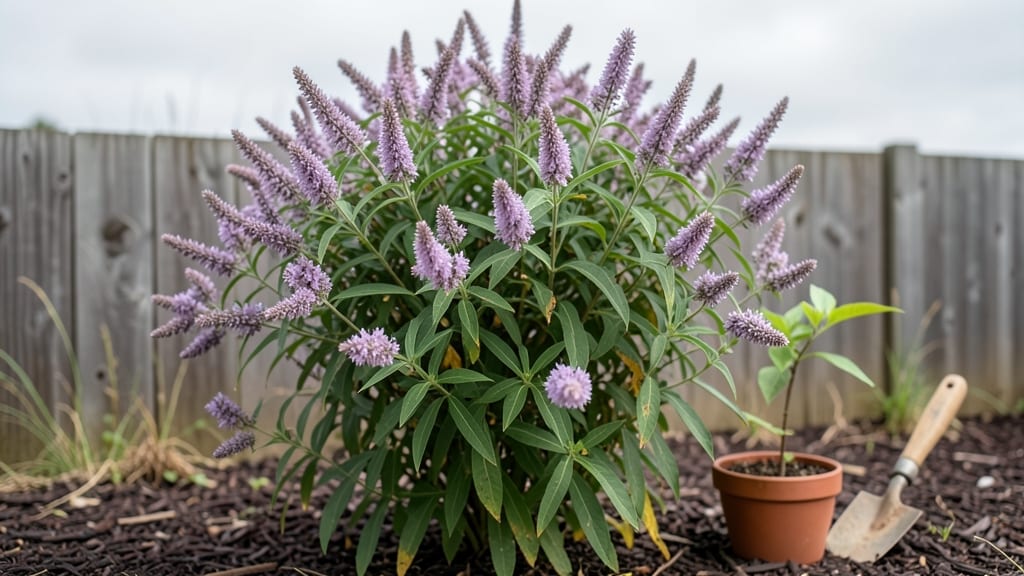
Mastering butterfly bush planting and care turns your yard into a pollinator paradise with vibrant purple blooms that last all summer—watch bare stems bloom into buzzing hubs of activity in just a few weeks. 🌿 weeks—no fancy tricks required.
The key is choosing the right spot, giving it consistent moisture, and a little seasonal pruning to keep it looking its best.
These shrubs thrive in full sun with well-draining soil, though they tolerate a range of conditions once established. Water deeply after planting, then let the soil dry slightly between waterings—overwatering is the fastest way to invite root rot.
A light feeding with balanced fertilizer in early spring kickstarts growth, and you’ll see those signature flower spikes emerge by mid-summer.
By late summer, your Butterfly Bush will be covered in blooms, attracting monarchs, swallowtails, and hummingbirds. The flowers fade to seed pods that add winter interest, and the plant’s woody stems create structure in any landscape.
With minimal pruning needs—just a clean-up cut in early spring—it’s one of the easiest shrubs to maintain while delivering maximum impact.
Even in small spaces, these shrubs deliver big results. Just be mindful of their eventual size—some varieties grow up to 10 feet tall, while dwarf types stay compact. The trade-off? A garden that hums with life from dawn till dusk. Ready to get started?
📚 In This Guide
- What you need
- Instructions
- Tips and common mistakes
- Wrapping up and next steps
What you need
- ● Butterfly bush plants: 1-3 nursery-grown plants (choose Buddleja davidii or Buddleja alternifolia for best results). Opt for 1-gallon containers for easier transplanting.
- ● Well-draining soil: A mix of garden soil, compost (20-30%), and perlite/sand (10-20%) to prevent root rot.
- ● Fertilizer: A balanced, slow-release granular fertilizer (10-10-10 or 20-20-20) or organic options like composted manure.
- ● Mulch: 2-3 inches of organic mulch (wood chips or shredded bark) to retain moisture and suppress weeds.
- ● Watering can or hose with a gentle spray nozzle.
- ● Garden trowel or shovel for digging holes.
- ● Pruning shears (sterilized with rubbing alcohol) for trimming.
- ○ Garden gloves (optional but recommended for comfort).
- ● Measuring tape or ruler to ensure proper spacing (3-5 feet apart for mature bushes).
- ○ Stakes and twine (optional, for young plants in windy areas).
- ● Choose a sunny location (6+ hours of direct sunlight daily).
- ● Ensure the area has good drainage—butterfly bushes hate soggy soil!
- ● Check your USDA Hardiness Zone (most varieties thrive in Zones 5-9).
- ● Plant in spring or early fall for best establishment.
Step-by-step instructions for planting and caring for butterfly bush
Here's the straightforward method I've used to keep these pollinator magnets thriving for years.
🌱 Step 1: Choose the Perfect Planting Location
Butterfly bush loves full sun—at least 6 hours daily. I always pick a spot with morning sun and afternoon shade if your climate runs hot, since leaves can scorch in intense afternoon rays. The plant's natural shape spreads 6-10 feet wide, so give it plenty of room to grow without crowding other plants.
Check your soil drainage first. Butterfly bush hates soggy roots, so if your yard holds water, amend with 2-3 inches of compost mixed into the top 12 inches of soil. The ideal planting spot should have well-draining soil and protection from strong winds that can damage delicate flowers.
🪴 Step 2: Dig the Hole and Plant Correctly
Dig a hole twice as wide as the root ball but only as deep—planting too deep suffocates the roots. Gently loosen the root ball if it's tightly packed, then place the plant in the hole so the top of the root ball sits just below soil level. This prevents stem rot from sitting too low.
Backfill with native soil, pressing lightly to remove air pockets. Water deeply right after planting to settle the soil. I always add 2 inches of mulch around the base (keeping it 3 inches away from the stem) to retain moisture and regulate soil temperature. This is especially important in the first growing season.
💧 Step 3: Water Consistently During Establishment
Keep the soil evenly moist but not soggy for the first 6-8 weeks after planting. You'll know it's right when the top 2 inches of soil feel dry to touch—that's your watering cue. Deep watering 2-3 times per week encourages strong root growth, while shallow watering leads to weak, surface roots.
Once established, butterfly bush becomes drought-tolerant. In hot summers, I water once a week unless we have a prolonged dry spell. The plant's thick leaves store moisture, so you'll see wilting only in extreme drought conditions. Always water at the base, not overhead, to prevent fungal diseases that love damp foliage.
☀️ Step 4: Fertilize Lightly for Best Bloom Performance
Feed with a balanced 10-10-10 fertilizer in early spring, using half the recommended dose. Too much nitrogen makes lush foliage but fewer flowers. I apply it around the drip line, not touching the stem, then water immediately to distribute the granules evenly.
Repeat in mid-summer if you notice sparse blooms. The key is consistency—never over-fertilize. Butterfly bush thrives on neglect once established, so if you forget a feeding, don't stress. The plant will still produce flowers, though they might be slightly smaller. Focus on proper watering and pruning instead.
✂️ Step 5: Prune Strategically for Season-Long Blooms
Prune right after flowering in late summer to encourage new growth that will bloom next season. Cut back one-third of the oldest stems to the ground, removing any dead or crossing branches. This rejuvenates the plant and prevents it from becoming woody and sparse.
In early spring, do a light cleanup by removing any dead wood or weak growth. Never prune in fall—this stimulates new growth that won't harden off before winter. The plant's natural shape is beautiful, so avoid heavy pruning unless you're shaping it for a specific look.
Tips & tricks for perfect butterfly bush planting and care
Here's what nobody tells you about keeping your butterfly bush thriving with minimal effort.
The Sunlight Secret: When choosing your spot, remember that "full sun" means at least 6 hours of direct sunlight—but quality matters more than quantity. I've seen butterfly bushes struggle in areas with intense afternoon sun that burns leaves. If your climate runs hot, morning sun with afternoon shade is actually ideal. Trust me on this: the flowers will thank you with vibrant color all season long.
Root Ball Rescue: Before planting, give the root ball a good soak for 10-15 minutes. This helps prevent transplant shock when you place it in the hole. I also like to gently separate the roots at the bottom if they're tightly packed—this encourages them to spread out into the surrounding soil. Just be careful not to damage the main stems.
Watering Wisdom: Those first 6-8 weeks are critical for root establishment. I've learned the hard way that shallow watering creates weak surface roots. Instead, water deeply 2-3 times per week, letting the water penetrate at least 6 inches into the soil. You'll know you're doing it right when the top 2 inches feel dry to the touch—this prevents both underwatering and soggy roots.
Pruning Precision: When you're cutting back one-third of the oldest stems in late summer, don't just grab any stems. Look for the thickest, woody ones—they're the ones that have outlived their usefulness. Cut them back to the ground, and you'll be amazed at how much new growth appears next season. This is how you keep your butterfly bush looking fresh and full for years to come.
Pro Tips for Butterfly Bush Planting And Care
- Here's what nobody tells you about keeping your butterfly bush thriving with minimal effort.
- The Sunlight Secret: When choosing your spot, remember that "full sun" means at least 6 hours of direct sunlight—but quality matters more than quantity.
- Root Ball Rescue: Before planting, give the root ball a good soak for 10-15 minutes.
Frequently asked questions
Got questions about growing your butterfly bush? Here are some of the most common ones—and their answers—to help you nurture a thriving, pollinator-friendly plant with ease!
When is the best time to plant a butterfly bush?
The ideal window is early spring or fall, when temperatures are mild (50–70°F). This gives roots time to establish before extreme heat or cold. Avoid planting in summer’s scorching heat or winter’s frost—both can stress young plants. If you must plant in summer, water deeply every 2–3 days to keep soil moist until roots settle.
How do I attract more butterflies to my butterfly bush?
Butterfly bushes are already a magnet for pollinators, but you can boost their appeal! Plant nearby native flowers like milkweed, coneflowers, or bee balm for a full buffet. Avoid pesticides—even "organic" ones can harm butterflies. Add a shallow water source (like a birdbath with rocks) and watch your garden become a butterfly hotspot!
Why does my butterfly bush look leggy or woody at the bottom?
Leggy growth or bare stems at the base usually mean it’s time for a rejuvenation prune. Cut back ⅓ of the oldest stems to the ground in early spring. This encourages fresh, bushier growth. If your plant is over 5 years old, you can prune even harder—down to 1–2 feet tall—to revive its shape and vigor.
Can butterfly bushes survive in cold climates?
Yes! Most varieties (like ‘Fast-growing’ or ‘Purple Smoke’) tolerate USDA Zones 5–9. In colder zones, plant in a sheltered spot, mulch heavily in fall, and water less in winter. If you’re in Zone 4 or below, choose hardier cultivars like ‘Moonlight’ or grow it in containers for winter protection.
What’s a good alternative if I don’t want a butterfly bush?
If you love butterflies but want variety, try native plants like:
- Butterfly Weed (Asclepias tuberosa) – Drought-tolerant and monarch magnet.
- Joe Pye Weed (Eutrochium) – Tall, fragrant blooms for swallowtails.
- Russian Sage (Perovskia) – Drought-resistant with long-lasting purple flowers.
- Coneflower (Echinacea) – Tough, colorful, and bee-friendly.
Wrapping up and next steps
Planting and caring for a butterfly bush is a rewarding way to bring vibrant color and life to your garden while supporting local pollinators! 🌸 With the right location, soil prep, and minimal pruning, these hardy shrubs thrive year after year—often with little fuss.
Whether you’re a beginner or a seasoned gardener, the key is patience and a little seasonal attention.
Ready to transform your yard into a butterfly haven? Start by choosing your favorite Buddleja variety and mark your calendar for spring planting. Then, grab your pruners, and let the beauty—and the buzzing—begin! 🐞