
Aphids
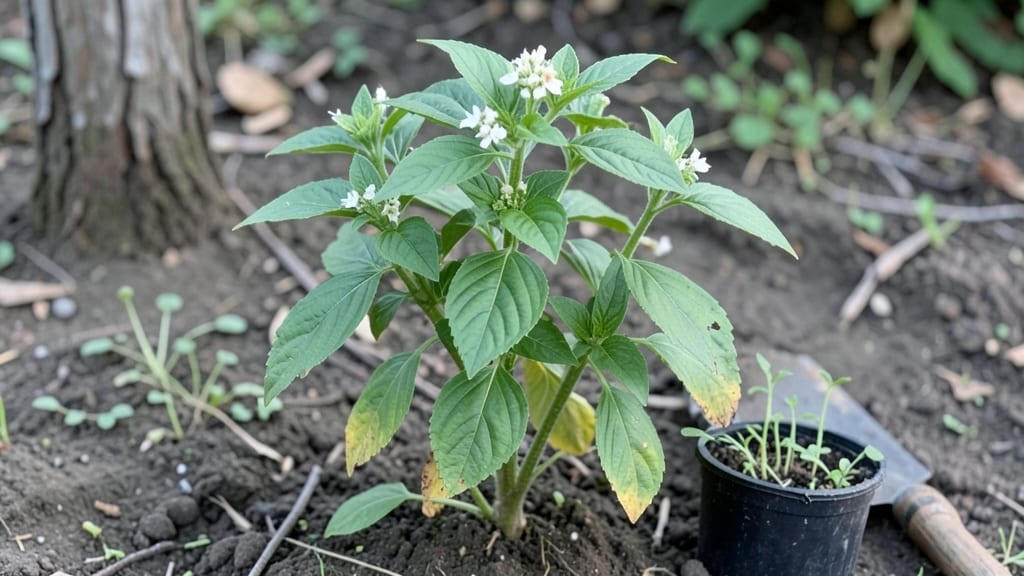
Planting holy basil isn't just about growing an herb—it's about creating a natural aphid barrier that protects your garden while adding sacred energy to your space. I’ve found that holy basil thrives where regular basil struggles, especially in warmer climates where it becomes a powerhouse of growth and pest control.
The key lies in mimicking its tropical origins: rich soil, consistent moisture, and bright but indirect light.
You’ll need well-draining potting mix, a container at least 12 inches deep, and a spot that gets morning sun with afternoon shade—this herb burns easily under harsh afternoon rays. Start with seeds or cuttings, and keep the soil moist but never soggy; holy basil hates waterlogged roots.
Spacing matters too: give plants 12-18 inches apart to ensure airflow and prevent fungal issues.
Within six weeks, you’ll see lush, dark green leaves that repel aphids while attracting pollinators. The plants grow quickly, reaching 2-3 feet tall, and their fragrant foliage makes them a prized addition to both gardens and sacred spaces.
Harvest leaves regularly to encourage bushier growth, and watch as your garden becomes a thriving ecosystem.
This method works best in zones 9-11, but container growing extends its reach to cooler climates—just move pots indoors before frost. Whether you’re using it for pest control, culinary purposes, or spiritual rituals, holy basil delivers results that go beyond ordinary herbs.
📚 In This Guide
- What you need
- Instructions
- Tips and common mistakes
- Wrapping up and next steps
What you need
- ● Holy basil seeds (Ocimum tenuiflorum) – 10-20 seeds (or a small potted plant for faster results). Choose organic seeds for best growth!
- ● Well-draining potting mix – 2-3 gallons (look for a blend labeled for herbs or vegetables).
- ● Containers – 6-8 inch pots (2-3 per seedling) with drainage holes, or a raised garden bed (12" deep).
- ○ Organic compost – 1 cup (optional but recommended for nutrient boost).
- ● Watering can or spray bottle – For gentle hydration (avoid soggy soil!).
- ● Fertilizer – Balanced organic fertilizer (5-5-5 or similar) or compost tea (1 tbsp per gallon of water).
- ● Pruning shears – Small, sharp pair for trimming (sterilize with rubbing alcohol!).
- ○ Gloves – Optional but helpful for handling soil and plants.
- ● Sunlight – 6+ hours of direct sunlight daily (south-facing window or outdoor spot).
- ● Temperature – Ideal range: 70-85°F (21-29°C). Holy basil thrives in warmth!
- ● Humidity – Moderate to high (mist leaves occasionally if indoors).
- ● Patience – Germination takes 7-14 days; full growth takes 2-3 months.
Step-by-Step instructions for planting holy basil
Here's how to grow this sacred herb that deters pests naturally while thriving in your garden.
Prepare Your Planting Location
Holy basil thrives in well-draining soil with partial shade to full sun—at least 4-6 hours of sunlight daily. Choose a spot where the soil drains well, as holy basil hates soggy roots. If your garden soil is heavy clay, mix in 2-3 inches of compost from your materials list to improve drainage and fertility.
Loosen the soil to a depth of 12 inches using a garden fork or trowel. This helps roots spread easily without compacting. If planting in containers, ensure each has drainage holes and use the potting mix to fill them completely. Holy basil grows best in 6-8 inch pots when container-grown, giving roots enough room to establish.
Plant Holy Basil Seeds or Transplants
If starting from seeds, sow them ¼ inch deep in the prepared soil, spacing them 6-8 inches apart. Press lightly to ensure good seed-to-soil contact, then cover with a thin layer of soil. Water gently but thoroughly until the soil is evenly moist to a depth of 2 inches. Avoid overwatering, as holy basil is sensitive to root rot.
For transplants, dig holes twice as wide as the root ball and place each plant at the same depth it was growing in its container. Space plants 12-18 inches apart to allow for airflow and growth. Fill the holes with soil, firming gently around the base to eliminate air pockets. Water deeply to help roots settle into the new soil.
Maintain Ideal Growing Conditions
Holy basil prefers moderate temperatures between 65-85°F and humidity levels above 50%. Mulch around the base with 1-2 inches of mulch to retain moisture and suppress weeds. Water once a week, allowing the top 1-2 inches of soil to dry out between waterings. Overwatering leads to yellowing leaves, so always check soil moisture before watering.
Fertilize lightly every 4-6 weeks with a balanced, water-soluble fertilizer diluted to half strength. Too much fertilizer can cause excessive leaf growth at the expense of flavor. Watch for aphids or whiteflies—holy basil’s natural pest-repelling properties often deter them, but occasional sprays of neem oil can help if needed.
Prune and Harvest for Healthy Growth
Pinch back the tips of new growth when plants reach 6-8 inches tall to encourage bushier growth. Regular pruning also prevents holy basil from becoming leggy. Harvest leaves as needed, but avoid taking more than one-third of the plant at once. Use clean scissors to snip leaves just above a leaf node to promote new growth.
Harvest in the morning after dew has dried for the strongest flavor. Store fresh leaves in the refrigerator for up to 5 days or dry them for long-term use. If your plant flowers, remove the blooms promptly to redirect energy into leaf production. With proper care, holy basil will reward you with fragrant, pest-repelling foliage all season long.
Tips & tricks for planting holy basil
Growing holy basil successfully comes down to a few key habits that keep your plants thriving and productive. These are the insights I wish I'd known before starting my own garden patch.
Soil Preparation Matters: When loosening soil to 12 inches deep in Step 1, take extra time to break up any compacted layers. Holy basil roots need easy access to oxygen and nutrients, so don't rush this step. I've found that adding a handful of coarse sand to heavy clay soils creates tiny air pockets that prevent waterlogging. This is especially important if you're planting in containers where drainage is critical.
Watering Wisdom: The instructions mention watering until soil is moist to 2 inches deep, but I've learned to check moisture at different times of day. In Step 2, water in the morning so excess moisture evaporates during the day. Holy basil's roots are sensitive to standing water, so always let the top 1-2 inches dry out between waterings as mentioned in Step 3. If you notice yellowing leaves, this is often the first sign of overwatering.
Temperature and Humidity Balance: While holy basil thrives between 65-85°F, I've found that maintaining humidity above 50% makes a noticeable difference in leaf quality. In dry climates, I group my plants together to create a microclimate that retains moisture. For container growers, placing trays of water near your basil pots adds humidity without overwatering the soil. This simple trick helps prevent the crispy leaf edges that often plague indoor basil plants.
Pruning for Productivity: The instructions suggest pinching back growth when plants reach 6-8 inches, but I've discovered that regular pruning actually stimulates more leaf production. Every 3-4 weeks, I trim back about one-third of the plant's height. This encourages bushier growth and prevents the plant from becoming leggy. Just be sure to use clean scissors to avoid spreading disease between cuts.
Pro Tips for Planting Holy Basil
- Growing holy basil successfully comes down to a few key habits that keep your plants thriving and productive.
- Soil Preparation Matters: When loosening soil to 12 inches deep in Step 1, take extra time to break up any compacted layers.
- Watering Wisdom: The instructions mention watering until soil is moist to 2 inches deep, but I've learned to check moisture at different times of day.
Frequently asked questions
When is the best time to plant holy basil?
The ideal time to plant holy basil is in early spring after the last frost, when soil temperatures are consistently above 50°F (10°C). You can also plant it in late summer for a fall harvest. Holy basil thrives in warm weather, so avoid planting when nighttime temperatures drop below 50°F (10°C).
Will holy basil really keep aphids away?
Yes! Holy basil’s strong scent repels aphids naturally. Planting it near vulnerable crops like tomatoes, peppers, or roses creates a protective barrier. For best results, plant it close to aphid-prone plants and harvest leaves regularly to encourage new growth and stronger scent production.
Can I grow holy basil indoors?
Holy basil grows well indoors in pots with bright, indirect sunlight (south- or west-facing windows are ideal). Use well-draining soil and a container with drainage holes. Keep the soil moist but not soggy, and rotate the pot occasionally for even growth. A sunny windowsill or a grow light works perfectly!
Why is my holy basil turning yellow?
Yellowing leaves usually signal overwatering or poor drainage. Ensure your plant’s soil is slightly dry between waterings and that the pot has drainage holes. Yellowing can also occur if the plant lacks sunlight—move it to a brighter spot. Check for pests like spider mites, which can stress the plant.
Can I use holy basil seeds or should I start with cuttings?
Both work! Seeds take longer (6-8 weeks) to germinate and may not retain the mother plant’s exact traits. Cuttings (4-6 inch stems) root faster (2-3 weeks) and preserve the plant’s characteristics. For beginners, cuttings are easier and more reliable. Dip cuttings in rooting hormone for better success!
Wrapping up and next steps
Planting holy basil is a rewarding way to boost your garden’s health—and your well-being! This sacred herb repels aphids naturally, thrives in containers or soil, and even adds a fragrant, flavorful touch to your home.
Whether you’re a seasoned gardener or just starting, holy basil’s resilience and benefits make it a must-try.
Ready to grow? Start with a small pot or seedling, keep it sunny, and watch your green ally flourish. Next step: Share your holy basil journey with fellow gardeners or experiment with its culinary uses—like teas or pest-free salads! 🌱✨