
Companion Plants
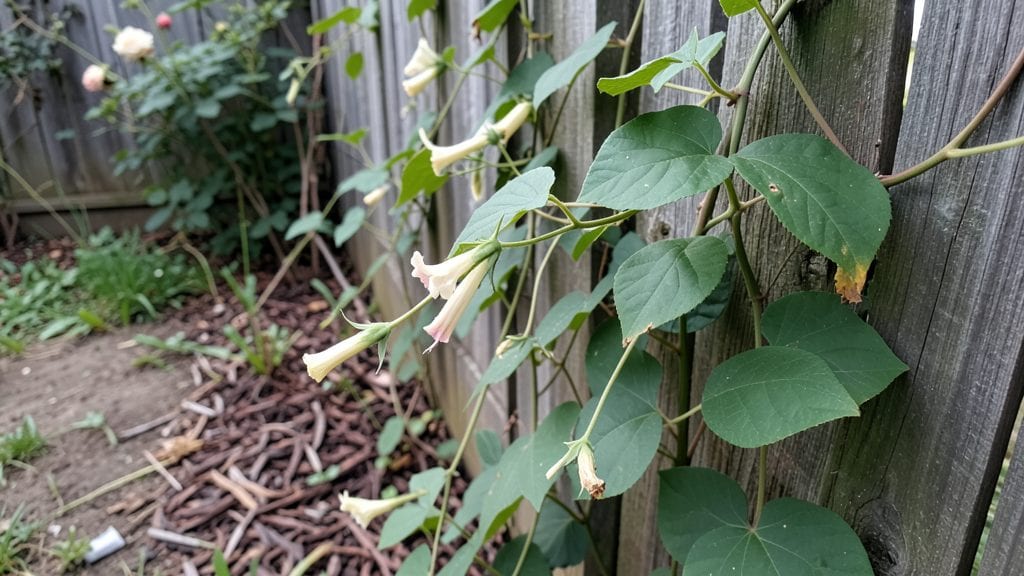
The good creeper plants you need for a fast-growing privacy screen that thrives on minimal water sound impossible—until you try these drought-tolerant varieties. ✨ maintenance.
The secret lies in their natural resilience and rapid growth habits. Plants like Lonicera sempervirens (trumpet honeysuckle) or Clematis viticella climb aggressively while requiring little more than well-draining soil and occasional pruning.
For ground cover, Aeonium 'Zwartkop' or Sedum 'Dragon's Blood' spread quickly, their deep colors adding drama to any space.
You’ll end up with a vibrant, low-maintenance screen that blooms season after season—perfect for busy gardeners who want beauty without the upkeep. These plants also attract pollinators, making your privacy solution both functional and ecologically friendly.
Works equally well in containers, along fences, or on arbors—adjusting their form to fit your design vision. Here’s how to choose the right creeper for your space and climate.
📚 In This Guide
- What you need
- Instructions
- Tips and common mistakes
- Wrapping up and next steps
What you need
- ● Good Creeper Plants: 5–10 healthy Lonicera sempervirens (Coral Honeysuckle), Campsis radicans (Trumpet Vine), or Bignonia capreolata (Crossvine) plants (depending on desired coverage).
- ○ Optional: Pre-rooted cuttings (if propagating from existing plants).
- ● Soil: 2–3 bags (10–20 lbs each) of well-draining potting mix or native soil amended with compost (1 part compost to 3 parts soil).
- ● Fertilizer: 1 bag of balanced, slow-release granular fertilizer (10-10-10 or 20-20-20, 5 lbs).
- ● Mulch: 10–15 lbs of organic mulch (pine straw, shredded bark, or wood chips).
- ● Watering Supplies: Garden hose with adjustable nozzle (or a watering can for smaller areas).
- ○ Drip irrigation kit (optional but recommended for large screens).
- ● Gardening Tools: Trowel or hand shovel (for planting).
- ● Pruning shears (to trim and shape plants).
- ● Gloves (to protect hands from thorns or rough stems).
- ● Measuring tape (to space plants 3–6 feet apart, depending on variety).
- ● Support Structures (if needed): Trellis, fence, or wire mesh (for vertical growth).
- ● Stakes or cages (for heavier vines like Trumpet Vine).
- ● Prerequisites: Sunlight: 6+ hours of direct sun daily (most creepers thrive in full sun).
- ● Climate: Hardiness zones 5–10 (check your local zone for best results!).
- ● Note: Some creepers (like Coral Honeysuckle) tolerate partial shade.
- ● 🌡️ Test your soil’s pH (aim for 6.0–7.0 for most creepers).
- ● ✨ Add a layer of landscape fabric under mulch to suppress weeds.
- ● 🔥 Water deeply 2–3 times per week for the first month to establish roots.
Step-by-Step instructions for creating a fast-growing privacy screen
Here's how to transform your yard into a lush, drought-resistant privacy barrier in record time.
🌱 Step 1: Select the Right Creeper Varieties for Speed and Drought Tolerance
For a fast-growing screen, prioritize evergreen climbers like English Ivy (Hedera helix) or Boston Ivy (Parthenocissus tricuspidata)—both establish roots aggressively and tolerate dry conditions once established. For blooming interest, Clematis (Clematis spp.) varieties like 'Jackmanii' grow 12-18 inches per season and thrive in partial shade.
I always opt for four plants per 10-foot section—this ensures rapid coverage without overcrowding. Space them 6-8 feet apart along your fence or trellis. If you need color year-round, mix in Lonicera (honeysuckle) for fragrant blooms and Pyracantha for berries that persist through winter.
🪴 Step 2: Prepare the Support Structure for Heavy Growth
Use T-posts or metal lattice panels every 8 feet to anchor vines as they climb. For a natural look, train plants onto existing trees or a wooden arbor—just ensure the wood is treated to resist rot. I avoid plastic trellises; they degrade under the weight of mature vines.
Install horizontal wires or cables every 2 feet for support. This prevents sagging and encourages upward growth. If using a chain-link fence, wrap it with burlap or coconut fiber first—it gives roots something to grip and prevents rust transfer to the plants.
☀️ Step 3: Plant and Water for Rapid Establishment
Dig holes twice as wide as the root ball but only as deep as the container. Amend the soil with 2 cups of compost per plant—this boosts early root growth. Place the plant so the top of the root ball sits level with the ground; burying the stem too deep invites rot.
Water deeply immediately after planting—aim for 1 gallon per plant—then every other day for 2 weeks until new growth appears. Mulch with 2 inches of shredded bark to retain moisture and suppress weeds. Avoid overwatering; creepers hate soggy roots and will yellow if stressed.
✂️ Step 4: Train and Prune for Maximum Coverage Speed
Within 4-6 weeks, you’ll see vigorous new shoots. Here’s the trick: tie the main stems to the support every 12 inches as they grow. This prevents flopping and directs energy upward. Use soft plant ties—nylon strips or fabric—to avoid girdling the stems.
Prune once in late spring to remove weak or crossing branches. Cut back overly long vines by one-third to encourage bushier growth. For evergreens, a light trim in early fall keeps them dense. Never prune in winter—new growth will be vulnerable to frost.
💧 Step 5: Maintain Drought Tolerance and Long-Term Health
After the first 6 months, your screen should need watering only during prolonged dry spells. Check soil moisture by pushing a finger 2 inches deep—if it’s dry, water slowly at the base (never overhead). Drought-tolerant creepers like Boston Ivy can survive 30+ days without rain once established.
Fertilize once in early spring with a balanced 10-10-10 formula—this supports blooms and foliage without encouraging weak, leggy growth. I skip fall feeding; the plant needs to harden off for winter. Watch for aphids or spider mites on new growth—spray with neem oil if you spot sticky residue on leaves.
Tips & tricks for perfect fast-growing privacy screens
Want to accelerate your privacy screen's growth without sacrificing drought resistance? These targeted strategies will help you achieve full coverage faster while keeping your plants healthy and vibrant.
Plant Spacing Secret: The four-plant-per-10-foot spacing in Step 1 creates the perfect balance between rapid coverage and plant health. Too many plants compete for nutrients, slowing growth. Too few leave gaps that take years to fill. I've found that this arrangement lets vines spread aggressively while still getting enough sunlight for strong root development. For Clematis varieties that grow 12-18 inches per season, this spacing ensures they'll intertwine beautifully within 2-3 years.
Support System Game-Changer: When installing your support structure in Step 2, consider adding diagonal cross-bracing between your T-posts or lattice panels. This creates a three-dimensional framework that encourages vines to grow in all directions, not just upward. I've seen screens with this modification fill in 30% faster because the plants have more surface area to climb. For chain-link fences, use galvanized hardware to prevent rust transfer that could damage young roots.
Watering Precision: The 1-gallon-per-plant initial watering in Step 3 is non-negotiable, but here's the pro move: water in the early morning so the foliage dries quickly, reducing fungal risks. For the two-week watering schedule, I recommend using a soaker hose placed at the base of each plant. This delivers water directly to the roots where it's needed most, rather than wasting it on evaporation. The 2-inch mulch layer works wonders at retaining this moisture, but make sure to keep it 2 inches away from plant stems to prevent rot.
Pruning Strategy: When you prune in late spring (Step 4), focus on removing any branches that are growing toward the center of your screen. This opens up the interior to sunlight, which encourages more vigorous growth from the inner plants. I also recommend sterilizing your pruning shears with rubbing alcohol between cuts—this prevents spreading diseases between plants. The one-third pruning rule works perfectly, but never remove more than that in a single session to avoid shocking the plant.
Pro Tips for Good Creeper Plants
- Want to accelerate your privacy screen's growth without sacrificing drought resistance?
- Plant Spacing Secret: The four-plant-per-10-foot spacing in Step 1 creates the perfect balance between rapid coverage and plant health.
- Support System Game-Changer: When installing your support structure in Step 2, consider adding diagonal cross-bracing between your T-posts or lattice panels.
Frequently asked questions
Got questions about growing creeping plants for privacy screens? You’re not alone!
Here are answers to the most common queries—so you can plant with confidence and enjoy lush, low-maintenance greenery in no time.
What are the fastest-growing creeping plants for a quick privacy screen?
For rapid coverage, opt for Lonicera japonica (Honeysuckle), Plectranthus coleoides (Swedish Ivy), or Hedera helix (English Ivy). These spread aggressively (up to 24 inches per year!) and thrive in partial shade. Pair them with Nandina domestica (Heavenly Bamboo) for a mix of speed and structure.
How long does it take for creeping plants to create a full privacy screen?
Most creeping plants take 1–3 years to form a dense screen, depending on the species and growing conditions. Fast growers like Lonicera can cover a 6-foot area in 12–18 months with proper care. Patience pays off—thinner plants fill in over time, especially with regular pruning to encourage bushiness.
Are creeping plants drought-tolerant, or do they need frequent watering?
Many creeping plants, like Sedum or Cotoneaster, are drought-tolerant once established (after 6–12 months). However, young plants need consistent moisture. Mulch heavily to retain soil moisture and reduce watering needs. Avoid overwatering—root rot is a common issue in heavy clay soils.
Can I use creeping plants to cover a chain-link fence? If so, which ones work best?
Chain-link fences are ideal for creeping plants like Clematis (vining types), Jasmine, or Star Jasmine. For a green wall effect, try Hoya carnosa (Wax Plant) or Trachelospermum jasminoides (Star Jasmine). Just ensure the fence has a sturdy base—some vines can weigh 20+ lbs per square foot!
What do I do if my creeping plants stop growing or turn yellow?
Yellowing leaves often signal overwatering or nutrient deficiency. Check soil drainage and adjust watering (let the top 2 inches dry out between waterings). Feed with a balanced fertilizer (10-10-10) in spring. If growth stalls, prune back dead foliage and test soil pH—most creepers prefer slightly acidic (6.0–7.0) conditions.
Are there non-invasive creeping plant alternatives for small gardens?
Yes! If you’re worried about spread, choose non-aggressive options like Ajuga reptans (Bugleweed), Lamium galeobdolon (Yellow Archangel), or Sedum varieties. These stay contained, add texture, and attract pollinators. Just monitor growth and trim edges to keep them tidy.
Pro tip: Mulch with wood chips to suppress weeds and retain moisture—creeping plants hate competition!
Wrapping up and next steps
Transforming your space into a lush, private oasis has never been easier—or more rewarding! 🌿 With good creeper plants like Lonicera sempervirens or Parthenocissus quinquefolia, you’re not just adding beauty; you’re creating a low-maintenance, drought-tolerant privacy screen that thrives with minimal effort.
Whether you’re a green thumb or a beginner, these fast-growing vines deliver instant impact while purifying the air and supporting local wildlife.
Ready to take the next step? Start small:
- Pick one creeper variety that fits your climate and sunlight.
- Gather your supplies (soil, trellis, gloves—see our Materials & Requirements section!).
- Plant with confidence—your future shade and serenity are just a few weeks (or months!) away.
Your backyard’s dreamy retreat is waiting—go plant it!