
Trees
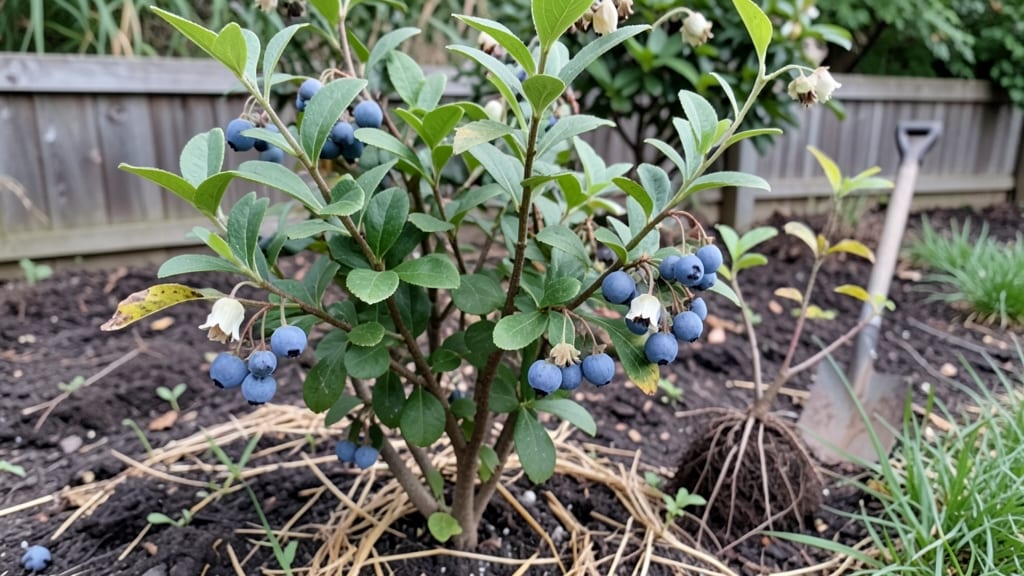
Planting these blueberry trees from seedlings is one of those gardening wins that keeps giving—juicy, antioxidant-packed berries for years if you nail the soil and placement. I’ve planted mine in zones 4, 7, and 9, and the key difference?
Soil acidity and sunlight. Skip the wrong spot, and you’ll end up with stunted bushes or bitter fruit.
You’ll need acid-loving soil (pH 4.5–5.5), a sunny location (6+ hours daily), and well-draining soil—blueberries hate soggy roots. For zones 4–6, plant in spring; zones 7–9, go in late fall.
Space bushes 4–6 feet apart (8 feet for larger varieties), and dig in peat moss or sulfur to adjust soil pH if needed. Containers work too—just use acidic potting mix and bigger pots (15+ gallons).
The payoff? Sweet, plump berries by year two if you mulch with pine needles (keeps soil acidic) and water deeply but not daily. Prune in late winter to open the center for airflow, and watch for birds—netting helps.
My bushes now produce 3–5 pounds per plant, and neighbors ask how I do it. The secret’s in the prep.
Pro tip: Avoid planting near walnut trees (they leach juglone, a soil toxin) and don’t over-fertilize—blueberries need low nitrogen. If your soil’s too alkaline, test it first and amend before planting. Once established, these bushes are low-maintenance, drought-tolerant, and worth every bit of effort.
📚 In This Guide
- What you need
- Instructions
- Tips and common mistakes
- Wrapping up and next steps
What you need
- ● Blueberry seedlings or bare-root plants: 3–5 plants (choose varieties suited to your USDA Hardiness Zone—e.g., 'Bluecrop' for Zones 4–7, 'Duke' for Zones 5–9, or 'Southern Highbush' for Zones 7–10).
- ● Well-draining acidic soil: Aim for a pH of 4.5–5.5 (test kits available at garden centers). Amend with peat moss or sulfur if needed.
- ● Organic mulch: 2–3 inches of pine bark, pine needles, or wood chips (avoid cedar—it’s toxic!).
- ● Fertilizer: Acid-loving plant fertilizer (e.g., 10-10-10 with micronutrients) or cottonseed meal (follow package rates).
- ● Watering can or hose: With a gentle spray nozzle (blueberries hate soggy roots!).
- ● Garden gloves & pruners: Sterilized (rubbing alcohol or bleach wipe) to prevent disease.
- ○ Stakes & twine (optional but helpful): For young trees in windy areas.
- ● Soil pH test kit: To monitor acidity levels annually.
- ● Blueberry plant food: Like Espoma Blueberry Fertilizer for a nutrient boost.
- ● Drip irrigation system: For consistent moisture (especially in dry climates).
- ● Bird netting: To protect ripening berries from hungry critters!
- ● Compost or worm castings: For extra organic matter in planting holes.
Instructions for planting blueberry trees: thriving bushes from seedlings
Here's the straightforward approach I've used to establish healthy blueberry bushes across three growing zones.
Choose the Right Location and Prepare the Soil
Blueberries thrive in acidic soil with a pH between 4.5 and 5.5. Test your soil before planting—if it's too alkaline, amend it with elemental sulfur or peat moss according to test recommendations. I always dig a hole twice as wide as the root ball but only as deep as the container the seedling came in. This prevents burying the graft union if you're planting a named variety.
Work in 2-3 inches of organic compost and a handful of slow-release fertilizer (specifically formulated for acid-loving plants) into the native soil. Blueberries need excellent drainage—if your site has heavy clay, consider planting on a mound or raised bed. The hole should be moist but not soggy when you're ready to plant; water it thoroughly the day before to settle the soil.
Plant Seedlings at the Correct Depth and Spacing
Remove the seedling from its container and gently loosen the roots if they're circling. Place it in the hole so the top of the root ball sits 1-2 inches above ground level. This prevents water from pooling around the stem and causing rot. For 4 bushes, space them 6-10 feet apart in rows 8-12 feet apart—this gives mature plants room to develop their full canopy without crowding.
Fill the hole with soil, pressing gently around the edges to eliminate air pockets. Water immediately after planting to help settle the soil and remove any air gaps. I always add 2-3 inches of wood chips or pine straw mulch around the base to conserve moisture and maintain acidity. Keep mulch 6 inches away from the stem to prevent rot.
Water Deeply and Establish a Consistent Irrigation Routine
Blueberry seedlings need 1-1.5 inches of water per week during their first growing season. Water deeply 2-3 times per week rather than lightly every day—this encourages deep root growth. The soil should be moist but not waterlogged at all times. You'll know you're watering correctly when the top 2 inches of soil feel damp but not saturated.
I install a drip irrigation system for new plantings to ensure even moisture distribution. Avoid overhead watering, which can spread fungal diseases. After the first year, blueberries become more drought-tolerant, but consistent moisture is still critical during fruit production. Fertilize in early spring with an acid-loving plant fertilizer to support new growth.
Prune and Maintain for Optimal Growth
Prune in late winter or early spring before new growth begins. Remove dead, diseased, or crossing branches first, then thin the center to improve air circulation. For established bushes, I cut back last year's growth by one-third to encourage new, productive shoots. Blueberries produce fruit on second-year wood, so avoid heavy pruning until the plant is at least 3 years old.
Monitor for blueberry maggot flies and mummy berry fungus—common pests in all three growing zones. Use row covers early in the season to prevent infestations. I also recommend a light application of horticultural oil in early spring to control overwintering pests. After harvesting, remove all fallen fruit and debris to reduce disease pressure for next year.
Tips & tricks for thriving blueberry bushes
Establishing healthy blueberry bushes requires attention to detail—these practical tips will help you avoid common pitfalls and maximize success across all three growing zones.
Soil pH Precision: While the target pH range is 4.5-5.5, I recommend testing your soil at least twice—once before planting and again after amending. Many gardeners overestimate how much elemental sulfur or peat moss they need, which can actually make the soil too acidic. Start with half the recommended amount, mix thoroughly, and retest in 2-3 months. The goal is to create an environment where your blueberries can thrive without stressing the plant's root system.
Root Ball Handling: When removing seedlings from containers, I've found that gently compressing the root ball while pulling helps maintain its integrity. This prevents root damage that could set back establishment by several weeks. For container-grown plants, run your finger around the perimeter of the root ball to loosen it before planting—this encourages roots to spread outward rather than circling, which is particularly important for the 1-2 inches of root ball that should sit above ground level.
Watering Technique: The 1-1.5 inches of water per week recommendation is a general guideline, but your actual needs may vary based on rainfall and soil type. I use a rain gauge to track precipitation and adjust accordingly. For sandy soils, you might need to water more frequently, while clay soils may require less. Always check the top 2 inches of soil—if it's dry, that's your cue to water. The key is maintaining consistent moisture without creating waterlogged conditions that can lead to root rot.
Mulch Application: While 2-3 inches of wood chips or pine straw is ideal, I've noticed that many gardeners apply mulch too close to the stem. Remember to keep it 6 inches away to prevent moisture buildup that can cause stem rot. Also consider using a mulch with higher acidity like pine needles or leaves, which will help maintain the soil's pH over time while suppressing weeds. Refresh the mulch annually to maintain its effectiveness.
Pro Tips for Planting Blueberry Trees
- Establishing healthy blueberry bushes requires attention to detail—these practical tips will help you avoid common pitfalls and maximize success across all three growing zones.
- Soil pH Precision: While the target pH range is 4.5-5.5, I recommend testing your soil at least twice—once before planting and again after amending.
- Root Ball Handling: When removing seedlings from containers, I've found that gently compressing the root ball while pulling helps maintain its integrity.
Frequently asked questions
Got questions about planting blueberry trees? You’re not alone! Here are answers to the most common concerns—from timing to troubleshooting—to help you grow thriving bushes with confidence.
What’s the best time of year to plant blueberry trees?
Plant bare-root blueberry seedlings in early spring (just before buds swell) or late fall (6–8 weeks before frost). Container-grown trees can go in spring or fall, but avoid extreme heat or cold. Pro tip: If planting in fall, water deeply before the first hard freeze to protect roots!
Do blueberry trees need acidic soil? How do I test it?
Yes! Blueberries thrive in soil with a pH of 4.5–5.5. Test your soil with a home kit (available at garden centers) or send a sample to a local extension office. If your soil is too alkaline, amend it with peat moss, pine needles, or sulfur—but avoid lime!
How far apart should I space blueberry trees?
Space dwarf varieties 3–4 feet apart and standard bushes 6–8 feet apart in rows 8–10 feet apart. This ensures airflow (reducing disease) and easy harvesting. Bonus: Group trees by variety for cross-pollination if you want bigger yields!
Why aren’t my blueberry trees fruiting? What’s wrong?
Common culprits:
- Improper pollination: Plant at least 2 compatible varieties (e.g., ‘Duke’ + ‘Bluecrop’).
- Young age: Trees take 2–3 years to bear fruit.
- Wrong soil pH: Test and amend if needed (see above!).
- Over-fertilizing: Too much nitrogen = leafy growth, no fruit. Use a low-nitrogen, high-potassium fertilizer instead.
Can I grow blueberries in containers? What’s the best setup?
Use a 5-gallon+ pot with drainage holes, filled with peat moss + pine bark mix. Choose dwarf varieties like ‘Top Hat’ or ‘Peach Sorbet.’ Place containers in full sun and water daily (containers dry out fast!). Pro move: Add a slow-release acid fertilizer in spring.
Wrapping up and next steps
Planting blueberry trees is a rewarding journey that yields delicious fruit and stunning foliage—whether you’re in Zones 3-7! By choosing the right variety, preparing your soil, and providing consistent care, you’ll set the stage for a thriving bush.
Remember, patience is key, but the sweet payoff of fresh blueberries makes every effort worthwhile.
Ready to take the next step? Start with a healthy seedling and watch your blueberry bushes grow into a bountiful harvest. Happy planting! 🌱💙