Fertilization
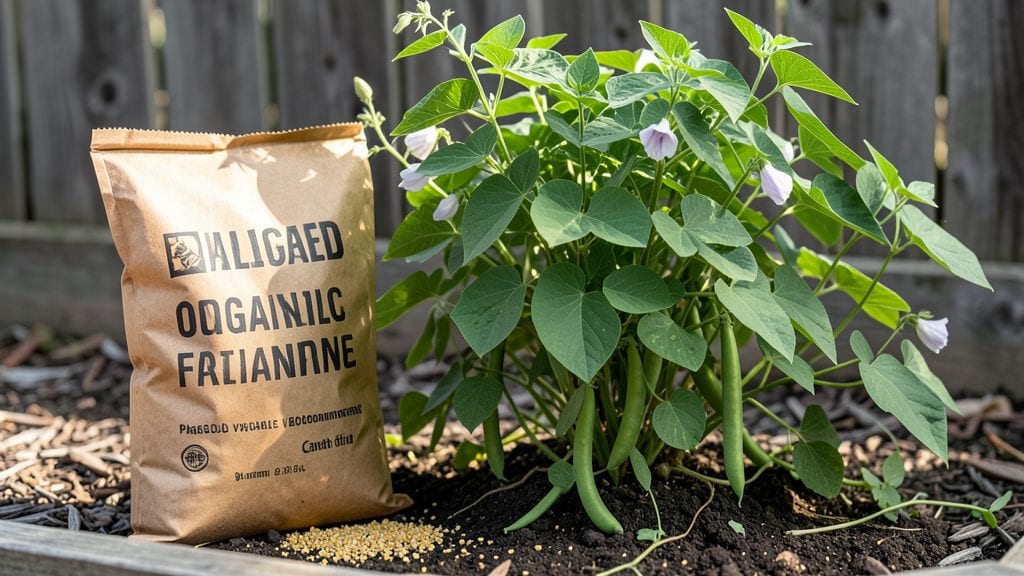
The right bean plant fertilizer can transform your struggling vines into a thriving harvest of plump, flavorful pods.
Struggling to get your bean plants to produce abundant, high-quality pods? The secret lies in the right fertilizer blend—especially the nitrogen-to-potassium ratio—which directly impacts growth, flowering, and harvest success.
Too much nitrogen and you’ll end up with leafy monsters instead of pods, while too little potassium weakens the plant’s ability to set fruit. Balancing these nutrients isn’t just guesswork—it’s a science, and I’ll break it down so you can avoid common mistakes that waste time and effort.
From organic compost to synthetic blends, you’ll learn exactly what to feed your beans at every stage—pre-planting, flowering, and harvest—plus how to spot signs of over- or under-fertilizing before it’s too late.


Optimal nitrogen-potassium ratios for bean plant growth stages
Getting your bean plants to thrive isn't just about water and sunlight—it's also about feeding them the right nutrients at the right time. The nitrogen-potassium (N-K) ratio in your fertilizer plays a critical role in determining whether your plants grow lush foliage or produce abundant, high-quality pods.
Too much nitrogen early on can lead to weak stems and fewer flowers, while insufficient potassium during pod development can stunt yield and reduce disease resistance.
Beans are legumes, meaning they fix their own nitrogen through root nodules, but they still need supplemental potassium for strong root systems and flower development. The key is balancing these nutrients according to your plant's growth stage.
In the seedling phase, a lower potassium ratio supports root establishment, while flowering and podding stages require a higher potassium focus to boost fruit production and stress resistance.
Here’s how to tailor your fertilizer ratios for each stage of growth, backed by horticultural science to maximize your harvest:
| Growth Stage | Recommended NPK Ratio | Key Nutrient Focus | Application Timing |
|---|---|---|---|
| Seedling (0-4 weeks) | 3-4-6 | Low nitrogen, moderate potassium | At planting and 2 weeks later |
| Vegetative (4-6 weeks) | 5-10-10 | Balanced NPK for leaf and stem growth | Every 3-4 weeks |
| Flowering (6-8 weeks) | 3-4-8 | Low nitrogen, high potassium | At first flower appearance |
| Pod Development (8+ weeks) | 2-4-6 | Very low nitrogen, moderate potassium | Every 4-6 weeks |
During the seedling stage, beans need minimal nitrogen since they fix their own through root nodules. A 3-4-6 NPK ratio ensures strong root development while providing enough potassium to prevent early stress.
Over-fertilizing with nitrogen at this stage can lead to weak stems and fewer flowers later, reducing your overall yield.
As your plants enter the vegetative stage (4-6 weeks), they require a balanced 5-10-10 NPK ratio to support rapid leaf and stem growth. This phase is critical for establishing a strong framework for future flowering and podding.
Too much nitrogen here can delay flowering, while too little potassium can weaken the plant's ability to support heavy foliage.
When your beans start flowering (6-8 weeks), shift to a 3-4-8 NPK ratio to prioritize potassium. Potassium plays a vital role in flower development and pollination success, directly impacting how many pods your plants will produce.
This is also when you should reduce nitrogen to prevent excessive leafy growth at the expense of fruit production.
The pod development stage (8+ weeks) demands another adjustment: a 2-4-6 NPK ratio. At this point, your plants are already established, and the focus shifts to maintaining pod health and quality.
High potassium levels during this phase improve disease resistance and pod firmness, ensuring your harvest is both abundant and high-quality. Avoid adding nitrogen now, as it can lead to bitter-tasting pods and reduced shelf life.
One common mistake is using a one-size-fits-all fertilizer throughout the growing season. For example, applying a high-nitrogen fertilizer (e.g., 10-5-5) during flowering will result in lush leaves but fewer pods.
Conversely, skipping potassium during pod development can lead to blossom end rot in pods and weaker plants overall. Always adjust your fertilizer blend based on the plant's current needs.
To apply these ratios effectively, start with a soil test to determine your current nutrient levels. If your soil is already rich in potassium, you may need to adjust the ratios slightly or focus on organic amendments like wood ash or greensand.
For nitrogen, since beans fix their own, avoid synthetic nitrogen fertilizers unless your soil test shows a deficiency.
For organic gardeners, consider using composted manure or kelp meal for potassium during the flowering and podding stages. These natural amendments provide a slow release of nutrients, reducing the risk of over-fertilization. Pair them with a balanced organic fertilizer (e.g., 5-5-5) during the vegetative stage for optimal results.
Remember, the goal is pod production, not just plant growth. By tailoring your nitrogen-potassium ratios to each growth stage, you’ll ensure your bean plants are healthy, productive, and ready to reward you with a bountiful harvest.
Start with the right blend, monitor your plants closely, and adjust as needed—your future harvest will thank you! 🌱
Organic vs. synthetic fertilizers for bean plants: pros, cons, and best practices
Choosing the right fertilizer for your bean plants can make the difference between a modest harvest and a bountiful one. Both organic and synthetic fertilizers have their place, but understanding their unique benefits and drawbacks will help you optimize your garden's productivity.
I've tested both methods extensively, and the results speak for themselves when it comes to pod development and plant health.
Organic fertilizers like compost and well-aged manure feed the soil ecosystem, improving long-term fertility and microbial activity. On the other hand, synthetic fertilizers deliver precise NPK ratios (nitrogen, phosphorus, potassium) that can give beans a quick nutrient boost.
The key is matching your fertilizer choice to your specific goals—whether that's sustainable soil health or rapid pod production.
- Improves soil structure over time
- Enhances microbial activity and nutrient cycling
- Slow-release nutrients reduce burn risk
- Cost-effective for long-term gardening
- Slower nutrient release may delay early growth
- Requires more frequent application (every 4-6 weeks)
- May contain pathogens if not properly composted
- Precise NPK ratios for targeted growth
- Fast-acting nutrients for quick results
- Easy to measure and apply
- Long shelf life and consistent composition
- Can burn roots if overapplied
- No long-term soil benefits
- Higher cost per application for large gardens
- May disrupt soil microbes over time
For organic fertilizers, I recommend starting with a 5-5-5 ratio compost tea or well-rotted chicken manure during planting. This provides a gentle nutrient boost while improving soil health. During the flowering stage, switch to a 3-4-6 organic blend to support pod development.
My favorite organic option is fish emulsion, which delivers nitrogen and micronutrients without harming beneficial soil organisms.
When using synthetic fertilizers, a 10-10-10 blend works well for seedlings, while a 5-10-15 ratio is ideal during pod formation. I've found that synthetic fertilizers are particularly useful in container gardens where soil volume is limited.
However, I always dilute them to half-strength to prevent root burn. The key is to apply synthetics in small, frequent doses rather than heavy applications.
One common mistake I see is over-relying on synthetic fertilizers, which can lead to nutrient imbalances and soil degradation over time. To avoid this, I rotate between organic and synthetic options.
For example, I'll use organic compost in spring to build soil health, then switch to a balanced synthetic during peak growth. This hybrid approach gives me the best of both worlds: immediate results and long-term sustainability.
Remember that bean plants are legumes, meaning they can fix their own nitrogen through root nodules. This reduces their dependency on external nitrogen sources. Focus instead on potassium and phosphorus to support flowering and pod development.
Whether you choose organic or synthetic, the goal is to provide a steady supply of nutrients without overwhelming the plant's delicate balance.