
Landscaping
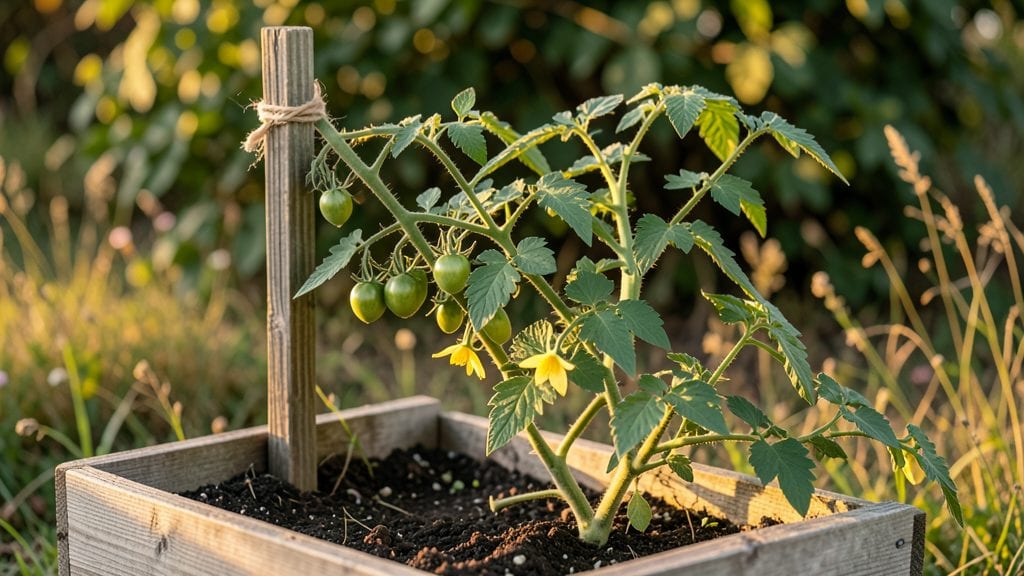
Growing planter box tomato plants starts with the right container—deep enough to hold root systems, wide enough to support sturdy vines, and with drainage that keeps roots happy.
I learned the hard way that a 5-gallon pot won’t cut it; your tomatoes need at least 15 gallons per plant to thrive without crowding. The material matters too: plastic holds moisture longer, while wood breathes better but may need lining to prevent rot.
Once you’ve picked the perfect box, focus on soil that mimics a garden bed—not lightweight potting mix. Amend with compost and a slow-release fertilizer to feed those hungry vines all season. I swear by a 5-10-10 blend mixed into the bottom third of the box, topped with fresh potting mix.
Add a tomato cage or sturdy stakes at planting time to avoid scrambling later when vines reach for the sky.
Here’s where the magic happens: prune early and often. Remove suckers (those little shoots between stems) weekly to direct energy to fruit, not foliage. Pinch off leaves touching the soil to prevent disease, and trim back overcrowded branches for better airflow.
With these three tricks, you’ll go from wilting plants to bushes bursting with sun-ripened tomatoes by mid-summer—no greenhouse required.
Troubleshooting is half the fun. Blossom end rot? Boost calcium with crushed eggshells or a side-dressing of lime. Yellow leaves? Check your watering—consistent moisture beats sporadic drenching. And if pests show up, a spray of neem oil or a handful of beneficial nematodes works wonders without harsh chemicals.
The payoff? Tomatoes so juicy and flavorful, your neighbors will ask for cuttings.
📚 In This Guide
- What you need
- Instructions
- Tips and common mistakes
- Wrapping up and next steps
What you need
- ● Planter box: At least 12–18 inches deep (tomatoes need room for roots!) and 12–24 inches wide (depending on how many plants). Ensure it has drainage holes.
- ● High-quality potting soil: 1–2 cubic feet (sterile, well-draining mix with compost or organic matter). Avoid garden soil—it compacts too much!
- ● Tomato seedlings or seeds: Determinate varieties (bush tomatoes): 1–2 plants per box (e.g., 'Roma' or 'Celebrity').
- ● Indeterminate varieties (vining tomatoes): 1 plant per box (e.g., 'Cherry' or 'Beefsteak').
- ● Slow-release fertilizer: 1–2 cups (look for a balanced 10-10-10 or tomato-specific blend).
- ● Drip irrigation or soaker hose: For consistent moisture without overwatering.
- ● Support system: For indeterminate tomatoes: 1 6–8 ft tall stake or cage (5–6 ft) per plant.
- ○ For determinate tomatoes: Optional low trellis or small cage (3–4 ft).
- ● Mulch: 2–3 inches of straw, shredded leaves, or wood chips to retain moisture.
- ● Pruning shears: Sharp, clean pair for trimming suckers and dead leaves.
- ● Epsom salt: 1 tbsp dissolved in water monthly for magnesium boosts.
- ● Compost tea: Homemade or store-bought to enrich soil naturally.
- ● Row covers: Lightweight fabric to protect young plants from pests or frost.
- ● Self-watering planter box: If you travel often or have inconsistent watering habits.
Instructions for pruning tomato plants in planter boxes
Here's how to keep your tomato vines productive and healthy with simple, effective pruning.
Identify and Remove Suckers Early
Suckers are the small shoots that grow between the main stem and branches. They steal energy from your fruit production, so I remove them as soon as I spot them—usually every 5-7 days during the growing season. Use clean pruning shears or your fingers to pinch them off at the base. The key is to act fast; if left unchecked, suckers grow into thick, woody stems that are harder to remove later.
Focus on the lower third of the plant first, where suckers appear most frequently. You'll see them as tiny, leafy growths pointing outward from the main stem. The goal is to maintain an open, airy structure that lets sunlight reach all parts of the plant. This ensures even ripening and reduces disease risk from damp foliage.
Prune Lower Leaves for Airflow
Once your tomato plants reach about 24 inches tall, start removing the lower leaves—those below the first flower cluster. Use your fingers or pruners to gently pull or cut them off at the stem. This might seem counterintuitive, but it's crucial for preventing soil-borne diseases like blight. The idea is to create space between the plant and the soil, allowing air to circulate and reducing moisture buildup.
I aim to remove about one-third of the lower leaves over time, focusing on the oldest ones first. You'll notice the stems look a bit bare, but this is normal and actually helps the plant direct its energy upward toward fruit production. Avoid tearing leaves—always make clean cuts just above a leaf node to encourage healthy regrowth.
Support and Train the Main Stem
As your tomato plants grow taller, use the tomato cages or stakes to guide the main stem upward. Tie the stem loosely to the support every 6-8 inches using soft plant ties or strips of old fabric. The goal is to keep the plant upright without restricting its growth. If you notice the stem bending or leaning, adjust the ties immediately to prevent damage.
Here's the thing—tomatoes grow fast, and their weight can cause stems to snap if not properly supported. I check my ties every 3-4 days, especially after rain or wind, to ensure they're still secure but not too tight. A good rule of thumb is to be able to slide two fingers between the tie and the stem. This keeps the plant stable while allowing it room to grow.
Thin Fruit Clusters for Bigger Harvests
When your tomato plants start flowering, you'll see clusters of blossoms forming. To maximize fruit size and quality, thin these clusters so only 2-3 tomatoes remain per stem. Gently twist off the smaller or weaker-looking fruits by hand—no need for pruners here. This might feel wasteful, but it ensures the remaining tomatoes get all the nutrients they need to grow large and flavorful.
I focus on keeping the healthiest-looking fruits in each cluster, usually the ones closest to the main stem. You'll see the stems of the tomatoes you remove easily snap off without damaging the plant. This step is especially important if your plants are in smaller planter boxes, where space and resources are limited. Thinning now means fewer but better-quality tomatoes later.
Monitor and Adjust Through the Season
Tomato plants are dynamic, and their needs change as they grow. Continue checking for suckers, lower leaves to remove, and ties to adjust every 7-10 days. Pay close attention to the plant's overall health—yellowing leaves, wilting, or stunted growth can signal over-pruning or other issues. If you notice any problems, adjust your approach immediately. For example, if the plant looks stressed, hold off on aggressive pruning for a week or two.
As the season progresses, you might also need to prune any branches that grow inward or cross over each other. These can create shaded areas where diseases thrive. The goal is to maintain an open, sunlit structure that encourages even growth and fruit production. By the time your tomatoes start ripening, your plants should look like well-maintained vines with plenty of airflow and sunlight reaching every part.
Tips & tricks for thriving planter box tomato plants
These simple tricks will help you keep your tomato plants healthy and productive all season long.
Timing is Everything: I can't stress enough how important it is to remove those suckers every 5-7 days as instructed. I've learned this the hard way—waiting even a week can turn those tiny shoots into stubborn, woody growths that are nearly impossible to remove later. Set a reminder on your phone if needed, because consistency is key for maintaining that open, airy structure that lets sunlight reach all parts of your plant.
Pruning Technique Matters: When removing lower leaves in Step 2, focus on making clean cuts just above a leaf node rather than tearing them off. This might seem like a small detail, but it makes a big difference in how quickly your plant recovers. I've noticed that plants pruned this way bounce back faster and show new growth within days. Also, be gentle with those older leaves—they're more fragile than you might think.
Support System Check: The 6-8 inch spacing for your ties in Step 3 is perfect, but here's what I do differently: I always use soft plant ties or old fabric strips instead of wire or plastic ties. Wire can cut into the stem over time, and plastic ties become brittle in the sun. Check those ties every 3-4 days—especially after rain or wind—as I mentioned in the instructions, and adjust immediately if you notice any leaning. A little prevention goes a long way in keeping your plants upright.
Fruit Thinning Strategy: When thinning those fruit clusters to 2-3 tomatoes per stem in Step 4, I look for the healthiest-looking fruits closest to the main stem. These tend to have the best access to nutrients and sunlight. I've found that removing the smaller, weaker fruits actually helps the remaining ones grow larger and more flavorful. It might feel counterintuitive to remove fruits, but trust me—your harvest will thank you for it.
Pro Tips for Planter Box Tomato Plants
- These simple tricks will help you keep your tomato plants healthy and productive all season long.
- Timing is Everything: I can't stress enough how important it is to remove those suckers every 5-7 days as instructed.
- Pruning Technique Matters: When removing lower leaves in Step 2, focus on making clean cuts just above a leaf node rather than tearing them off.
Frequently asked questions
Got questions about growing tomato plants in planter boxes? You’re not alone! Here are some of the most common queries—and their straightforward answers—to help you cultivate a thriving harvest.
What’s the best soil mix for tomato plants in planter boxes?
Use a well-draining, nutrient-rich mix like 60% potting soil, 30% compost, and 10% perlite or vermiculite. Avoid garden soil—it compacts easily in containers and can lead to root rot. For extra flavor, add a handful of worm castings or a slow-release fertilizer at planting time.
How often should I water tomato plants in a planter box?
Water when the top 1–2 inches of soil feel dry, usually every 2–3 days in hot weather. Planter boxes dry out faster than in-ground gardens, so check moisture daily. Water deeply at the base (not the leaves) to encourage strong roots. Mulch with straw to retain moisture and prevent soil splatter.
Can I grow tomato plants in a small planter box, or do they need a lot of space?
Tomatoes need at least 1–2 gallons of soil per plant (about 12–18 inches deep). For dwarf varieties, a 5-gallon container works; indeterminate types (like ‘Sungold’) thrive in 5-gallon+ boxes. If space is tight, opt for bush varieties or train vines upward with stakes or trellises.
Why are my tomato plants wilting even though I’m watering them?
Wilting can signal overwatering, underwatering, root rot, or heat stress. Check the soil moisture with your finger—if it’s soggy, reduce watering. If roots look mushy, repot in fresh soil. For heat stress, provide afternoon shade and ensure consistent hydration. A balanced fertilizer (like 10-10-10) can also help revive weak plants.
Do I need to fertilize tomato plants in planter boxes, and how?
Yes! Planter boxes deplete nutrients quickly. Start with a balanced fertilizer (10-10-10) at planting, then switch to a low-nitrogen, high-phosphorus feed (5-10-10) when flowers appear. Every 3–4 weeks, add compost tea or fish emulsion. Avoid over-fertilizing—too much nitrogen = leafy growth, fewer tomatoes!
How do I prevent pests like aphids or hornworms in container-grown tomatoes?
Inspect plants weekly for pests. Spray with neem oil or insecticidal soap for aphids, or handpick hornworms (they’re camouflaged as green leaves!). Encourage beneficial insects like ladybugs by planting marigolds or basil nearby. Yellow sticky traps can also catch flying pests early.
Wrapping up and next steps
Growing planter box tomato plants is a rewarding journey that combines patience, care, and a few clever pruning tricks! With the right techniques—like suckering, staking, and pruning for airflow—you’ll enjoy a bountiful harvest of juicy, flavorful tomatoes all season long. 🌱
Now that you’re armed with these 3 key pruning tricks, there’s no better time to roll up your sleeves and give your tomato plants the love they deserve.
Start small, stay consistent, and soon you’ll be savoring homegrown tomatoes straight from your planter box—what’s next but sharing your success (or even swapping tips with fellow gardeners)? Happy growing! 🍅✨