Propagation
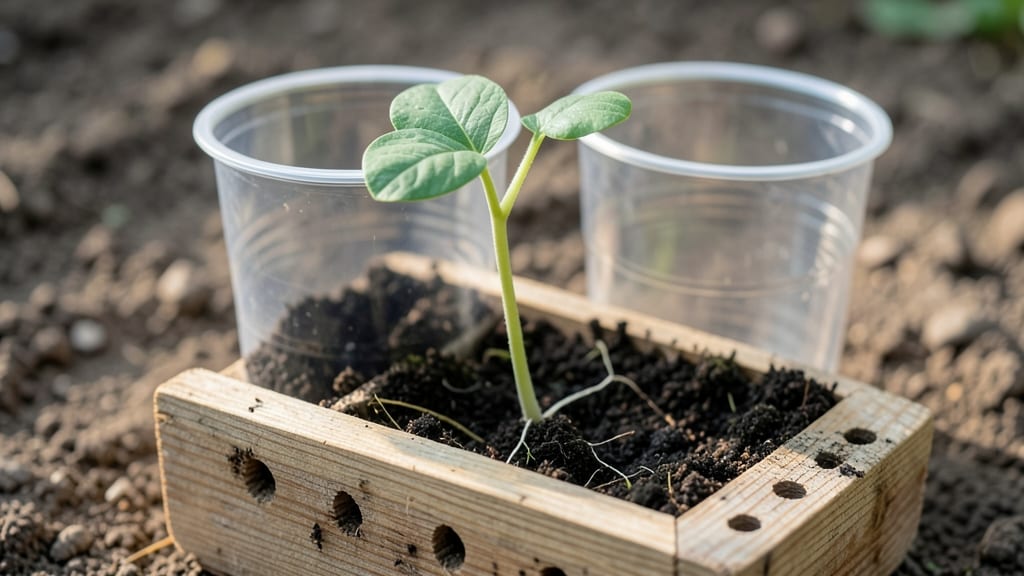
The definition of plant germination is the biological process where a seed develops into a new plant after absorbing water, breaking dormancy, and undergoing metabolic activation. It includes stages like imbibition, radicle emergence, and shoot growth, triggered by environmental conditions like moisture, temperature, and light.
Understanding plant germination means grasping how seeds transform from dormant states into thriving seedlings. 🌱 The process kicks off when water triggers enzymes that break down stored nutrients, fueling early growth. For example, radicle emergence—when the first root appears—marks the seed's transition from passive to active development.
Temperature and light further refine this journey, with some plants needing warmth while others rely on light cues to sprout.
This isn't just science—it's the foundation of gardening. Whether you're growing tomatoes or orchids, knowing these stages helps troubleshoot failures like slow sprouting or rot. My go-to tip? Keep seeds moist but not soggy, and maintain consistent warmth—small adjustments that make all the difference in success rates.
💡 In This Article
- The 5 Key Biological Stages of Seed Germination
- Factors Affecting Germination Success in Home Gardening
The 5 key biological stages of seed germination
Here's what's actually happening when a seed sprouts: the first stage is imbibition, where the dry seed absorbs water at a rate of up to 100% of its weight within 24 hours.
This hydration swells the seed coat, breaking its dormancy by activating enzymes like amylase that begin converting stored starches into sugars. Think of it like soaking a sponge—except instead of just expanding, the seed's cells rehydrate and metabolic processes kick into high gear. 💫
The second critical phase is radicle emergence, when the embryonic root (radicle) pushes through the seed coat, typically within 3-7 days for fast-germinating seeds like lettuce. This root anchors the seedling and starts absorbing water and nutrients from the soil.
What's fascinating is how the radicle grows downward due to gravitropism, a response to Earth's gravity that ensures roots seek moisture below ground. The timing varies wildly—some seeds like beans sprout in 5 days, while others like peaches take 2-3 months.
Next comes hypocotyl elongation, where the stem between the seed leaves (cotyledons) and the root elongates rapidly, often at rates of 1-2 cm per day. This "hook" shape helps the shoot push through soil obstacles.
The energy comes from the seed's stored nutrients, particularly lipids converted by enzymes. For example, sunflower seeds use their fatty reserves to fuel this explosive growth, which is why they emerge so quickly. 🌱
The fourth stage involves the cotyledon development, where the seed leaves unfold to begin photosynthesis. These leaves aren't true leaves but specialized structures that provide energy until the plant can support itself.
In dicots (like beans), they often appear above ground, while in monocots (like grasses), they remain below soil. The transition to true leaves marks the end of the seed's dependency on its internal food supply.
Finally, the seedling establishment phase begins as the plant develops its first true leaves and starts independent growth. This stage is where environmental factors become crucial—proper light exposure and nutrient availability determine whether the young plant thrives or struggles.
For instance, tomato seedlings need 12-16 hours of light daily to prevent leggy growth, while pepper seedlings prefer cooler 65-75°F temperatures to establish strong roots.
What most gardeners don't realize is how these stages interact with temperature. For example, cool-season crops like broccoli germinate best at 60-70°F, while tropical plants like okra need 80-90°F.
The same seed can behave completely differently based on these conditions—a fact that explains why some gardeners struggle with inconsistent germination. ✨