Diseases
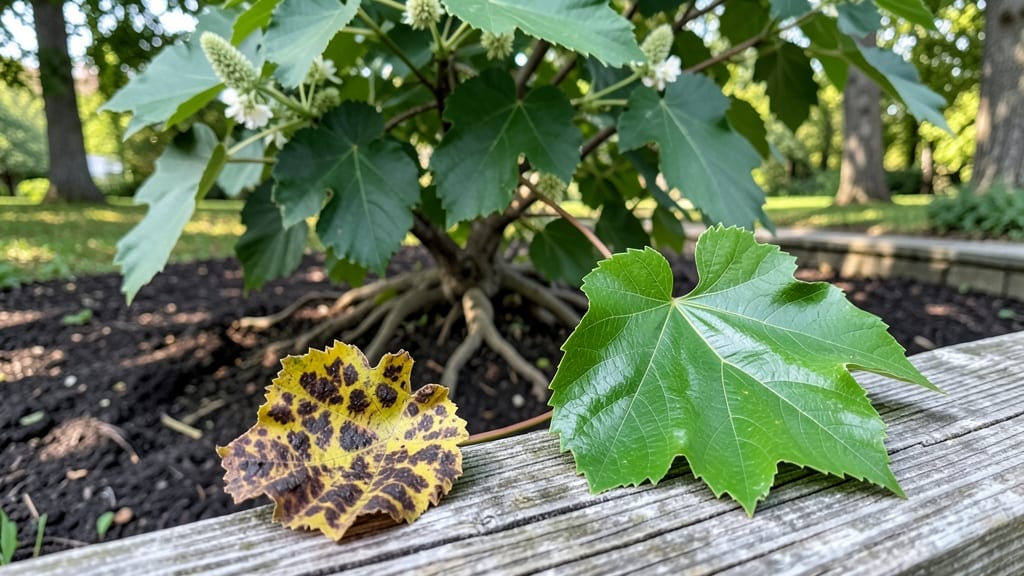
Mulberry plants can go from lush and productive to struggling in weeks when fungal or bacterial diseases take hold. 🌱 I’ve watched anthracnose turn vibrant leaves to black slime and powdery mildew coat branches like dust—both can cripple your harvest if you don’t act fast.
The good news? Most of these problems have simple fixes once you know what to look for.
These diseases thrive in the same conditions: too much moisture, poor airflow, or stressed plants. My mulberries started recovering within two weeks after I pruned crowded branches and adjusted my watering schedule. The key is catching symptoms early—yellowing leaves, odd spots, or weird growths—and acting before the problem spreads.
You’ll learn to spot the most common foes (like anthracnose or root rot) and how to treat them with organic sprays, pruning, or soil fixes—no harsh chemicals needed. By the end, your mulberries will bounce back stronger, with fewer surprises next season. Let’s get those plants healthy again.
Whether you’re dealing with a single branch or a full tree, the same principles apply. We’ll cover quick fixes for acute issues and long-term strategies to keep your mulberries thriving. Ready to turn things around?
Root Causes Behind Mulberry Troubles
Understanding why mulberry plants fall prey to diseases is the first step in protecting them. These issues rarely happen in isolation—they’re often the result of a perfect storm of environmental, biological, and cultural factors. Let’s break down the key culprits that turn your thriving mulberry into a struggling one.
---
Mulberry trees thrive in well-draining, slightly acidic to neutral soil (pH 6.0–7.5). When soil conditions veer off course, diseases like root rot (Phytophthora spp.) and anthracnose (Colletotrichum spp.) get a foothold.
- Compacted or Waterlogged Soil 💦 Mulberries hate soggy roots. Poor drainage creates anaerobic conditions, inviting fungal pathogens like Phytophthora that thrive in excess moisture. Overwatering or heavy clay soil exacerbates this, leading to root rot—a silent killer that weakens the plant before visible symptoms appear.
- Nutrient Deficiencies or Toxicity 🧪 A lack of phosphorus or potassium weakens the plant’s immune response, making it susceptible to infections. Conversely, excess nitrogen (from over-fertilizing) promotes lush, soft growth that’s more vulnerable to fungal attacks like powdery mildew (Oidium spp.).
- Soil pH Extremes 📉 Soil pH outside the ideal range (too acidic or alkaline) disrupts microbial balance, reducing beneficial bacteria and fungi that suppress pathogens. For example, bacterial leaf spot (Xanthomonas spp.) flourishes in alkaline soils (pH > 7.5).
--- Diseases don’t strike randomly—they follow weather cues. Mulberries are particularly sensitive to high humidity, prolonged rainfall, and temperature swings, which create ideal conditions for pathogens.
- Humidity & Rainfall 🌧️ Fungal spores (like those causing anthracnose or leaf spot) germinate and spread rapidly in high humidity (80%+) and frequent leaf wetness. Overhead irrigation or morning dew can keep leaves damp for hours, accelerating infection.
- Temperature Stress ❄️☀️ - Cool, Wet Springs: Perfect for powdery mildew and rust diseases (Puccinia spp.), which thrive at 60–75°F (15–24°C). - Heat Stress (>90°F/32°C): Weakens the plant, making it prone to bacterial infections like mulberry blight (Pseudomonas spp.), which exploit tiny wounds from heat damage.
- Poor Air Circulation 🌬️ Dense foliage or crowded planting traps moisture, creating a microclimate that fuels fungal growth. Anthracnose and downy mildew (Peronospora spp.) love this environment, spreading via windborne spores.
--- Diseases don’t just appear—they’re often introduced or spread by external sources. Mulberries are no exception.
- Contaminated Tools or Pruning Wounds ⚔️ Bacterial diseases like mulberry canker (Pseudomonas syringae) enter through open wounds caused by poor pruning. If tools aren’t sterilized between cuts, they can transfer pathogens from infected to healthy plants.
- Infected Plant Debris 🍂 Leaving fallen leaves, mummified fruit, or diseased branches in the soil over winter acts as a disease reservoir. Fungi like Colletotrichum (anthracnose) survive in debris, reinfecting the plant the next season.
- Wildlife & Insect Vectors 🐛🐞 - Sap-sucking insects (e.g., mulberry aphids or scale insects) weaken the plant, making it susceptible to secondary infections. - Birds or rodents can spread fungal spores between trees, especially in orchards or home gardens.
--- Even the best-intentioned gardening habits can backfire if not executed properly.
- Overhead Watering 💦 Splashing water onto leaves spreads fungal spores like powdery mildew or leaf spot. Drip irrigation or soaker hoses keep foliage dry, reducing disease risk.
- Excessive Pruning Without Sanitation ✂️ Heavy pruning stresses the tree, and if cuts aren’t made with sterilized tools, bacterial cankers or fungal infections can set in. Always prune during dry weather and seal wounds with pruning paint (optional but helpful).
- Ignoring Mulberry Variety Susceptibilities 🌿 Some mulberry cultivars (e.g., Morus alba) are more disease-prone than others (e.g., Morus rubra). Planting susceptible varieties in high-risk climates invites trouble. Research disease-resistant hybrids if your area is prone to specific pathogens.
--- A healthy mulberry tree has natural defenses, but stress can cripple them.
- Water Stress (Drought or Overwatering) 💧 Both drought and overwatering weaken the plant’s cuticle (its protective outer layer), making it easier for pathogens to penetrate.
- Pest Damage 🐛 Insects like mulberry borers or spider mites create entry points for diseases. A single borer hole can invite bacterial canker or fungal infections.
- Transplant Shock 🌱 Recently transplanted mulberries are vulnerable due to root disturbance. If not given time to recover, they’re more likely to succumb to root rot or foliar diseases.
--- Think of mulberry diseases as the result of three factors aligning: 1. A susceptible host (your mulberry tree). 2. A virulent pathogen (fungus, bacterium, or virus). 3. Favorable environmental conditions (moisture, temperature, poor airflow).
Break any one leg of this triangle, and you disrupt the disease cycle. For example: - Improve drainage (fixes moisture). - Prune for airflow (reduces humidity). - Use resistant varieties (strengthens the host).
By understanding these root causes, you can prevent—not just treat—mulberry diseases before they take hold.
Quick Fixes for Mulberry Plant Woes
When your mulberry plants show signs of distress, acting fast can mean the difference between saving them and losing them. Below are targeted solutions for common mulberry plant diseases, organized by cause. Each fix is designed to be practical, effective, and easy to follow—no green-thumb magic required!
---
Fungi thrive in damp, warm conditions, so prevention starts with airflow and dryness. If you spot powdery white patches, black spots, or mushy stems, act now.
#### 🍄 Powdery Mildew: The Fluffy Invader Cause: Erysiphe or Sphaerotheca fungi love shady, humid spots. Fix: - 🔥 Spray with Baking Soda Solution Mix 1 tsp baking soda + 1 tbsp vegetable oil + 1 gallon water + a drop of dish soap (helps it stick).
Spray both sides of leaves every 5–7 days until gone. - 🌬️ Improve Airflow Prune crowded branches to let sunlight and air circulate. Space plants 3–5 feet apart. - 🌡️ Fungicide Last Resort If baking soda fails, use neem oil (2%) or sulfur spray (follow label rates).
Apply at dawn or dusk to avoid burning leaves.
💡 Prevention Tip: Water at the base, not overhead, and avoid late-day watering to keep leaves dry.
---
#### 🍅 Anthracnose: The Spotty Menace Cause: Colletotrichum fungus causes dark, sunken lesions on leaves and fruit. Fix: - ✂️ Prune & Dispose Cut off infected leaves/fruit and sterilize pruners with rubbing alcohol (70%+) between cuts. - 🍳 Copper Fungicide Spray Use Bordeaux mixture or copper soap (e.g., Copper Sept every 10–14 days for 3 weeks). - 🌱 Soil Sterilization Solarize soil in hot summers (cover with clear plastic for 4–6 weeks) to kill fungal spores.
💡 Prevention Tip: Remove fallen leaves/debris promptly—fungi hitchhike on organic matter!
---
#### 🍠 Root & Stem Rot: The Silent Killer Cause: Phytophthora or Fusarium thrive in waterlogged soil. Fix: - 🚰 Drain the Soil If soil stays soggy for >24 hours, amend with compost or perlite to improve drainage.
Elevate pots or add gravel to the bottom. - 🧴 Hydrogen Peroxide Soak (For Potted Plants) Mix 1 tbsp 3% H₂O₂ per gallon water and soak roots for 10 minutes before replanting. - 🌿 Fungicide Drench Use **Mycorrhizal fungi (e.g., MycoApply) or Trichoderma harzianum to outcompete rot-causing fungi.
💡 Prevention Tip:** Mulberries hate wet feet—ensure 6+ inches of drainage in containers or raised beds.
---
Bacteria spread via water splashes or tools. Look for yellow halos, oozing stems, or wilting despite hydration.
#### 💦 Bacterial Leaf Spot: The Oozy Culprit Cause: Xanthomonas or Pseudomonas bacteria cause water-soaked spots that ooze. Fix: - 🧼 Copper Bactericide Spray Use **copper hydroxide (e.g., Kocide) every 7–10 days for 2–3 weeks. - 🔪 Remove & Burn Infected Parts Snip off spotted leaves/stems and sterilize tools between cuts. - 🌧️ Avoid Overhead Watering Switch to drip irrigation or water early morning so leaves dry fast.
💡 Prevention Tip:** Rotate crops—don’t plant mulberries in the same spot for 3+ years to break bacterial cycles.
---
#### 🌿 Canker Disease: The Stem Strangler Cause: Pseudomonas syringae creates sunken, cracked stems that girdle the plant. Fix: - 🔪 Prune Below the Canker Cut 6 inches below the affected area with sterilized tools.
Burn or trash infected wood. - 🧴 Antibacterial Spray Mix 1 tsp hydrogen peroxide + 1 quart water and spray every 5 days for 3 weeks. - 🌡️ Heat Treatment (For Severe Cases) Soak cuttings in 122°F water for 30 minutes to kill bacteria before replanting.
💡 Prevention Tip: Disinfect pruners with bleach (1 part bleach:9 parts water) between cuts to prevent spread.
---
No matter the disease, strengthen your mulberry’s immunity with these low-effort habits:
| Tactic | How to Do It | Why It Works | |--------------------------|------------------------------------------|------------------------------------------| | 🌿 Mulch Right | Use straw or wood chips (not leaves) | Keeps soil moist but not soggy. | | 🍄 Beneficial Fungi | Sprinkle Trichoderma granules in soil | Outcompetes bad fungi naturally. | | 🌞 Sunlight Boost | Thin canopy for 6+ hours of sun/day | Fungi hate dry, sunny leaves! | | 🚫 Tool Hygiene | Wipe tools with rubbing alcohol | Stops cross-contamination. |
--- ✨ Pro Tip: Test your soil pH—mulberries prefer 6.0–7.0. Too acidic? Add lime; too alkaline? Use sulfur. Happy soil = healthier plants!
By tackling diseases early and methodically, your mulberry plants can bounce back stronger. Stay vigilant, and your harvest will thank you! 🍇💪
Frequently asked questions
What are the first signs of mulberry plant diseases I should watch for?
Look for yellowing leaves, powdery white patches (powdery mildew), or dark, sunken spots (anthracnose). Wilting despite hydration or oozing stems signal bacterial infections like leaf spot. Check both upper and lower leaf surfaces—many fungal issues start there.
Can I save my mulberry tree if it already has root rot?
Early-stage root rot can be treated by improving drainage (add compost or gravel) and applying Trichoderma fungus to outcompete pathogens. For advanced rot, prune affected roots and replant in well-draining soil. If the entire root system is mushy, the tree may not recover—consider propagating from healthy cuttings.
How often should I spray mulberries to prevent diseases?
Preventative sprays (like baking soda or neem oil) work best when applied every 7–14 days during high-risk seasons (spring/fall). Focus on dawn or dusk to avoid leaf burn. If your area has frequent rain, increase to weekly sprays until symptoms appear.
Are there mulberry varieties less prone to diseases?
Yes! Morus rubra (red mulberry) is more disease-resistant than Morus alba (white mulberry). Hybrid varieties like 'Illinois Everbearing' also show better resistance. Always choose certified disease-free nursery stock to avoid introducing pathogens.
What’s the fastest way to sterilize pruning tools between cuts?
Wipe blades with 70% rubbing alcohol or soak in a 1:9 bleach-water solution for 30 seconds. For severe infections, use a flaming torch to sterilize tools between cuts. Never skip this step—contaminated tools spread diseases like wildfire.