Pests and Diseases
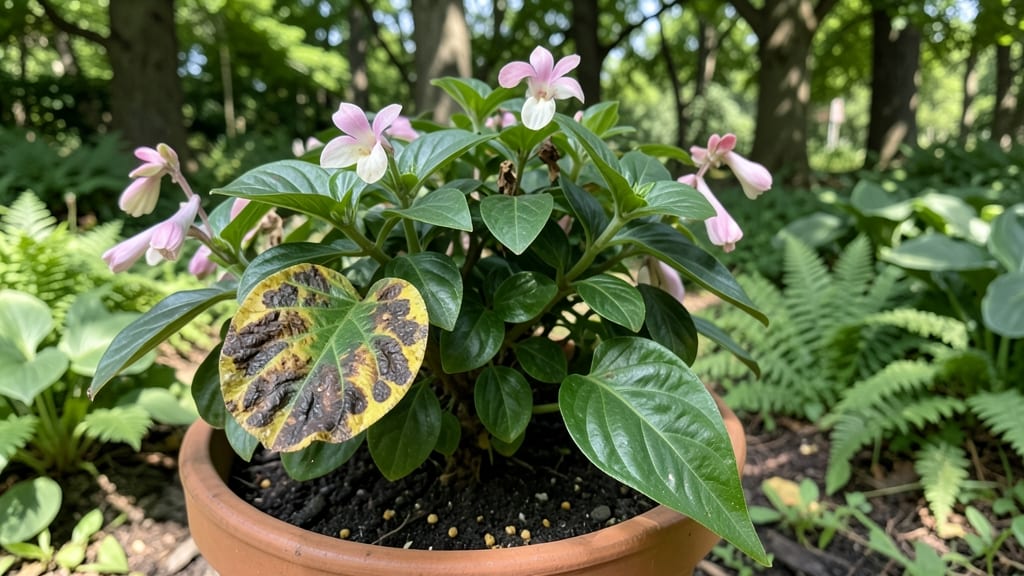
Impatiens plant disease like black leg and downy mildew can turn your vibrant hanging baskets into sad, wilted messes faster than you’d think. 🌿 I’ve watched my own impatiens go from lush purple blooms to crispy brown stems in just a few weeks—until I learned the early warning signs and how to stop it in its tracks.
The problem usually starts with poor air circulation or soggy soil, giving fungal spores the perfect chance to move in. Black leg shows up as dark, water-soaked spots at the stem base, while downy mildew leaves a fuzzy white coating on undersides of leaves.
The good news? You can often fix it before it spreads—if you act fast.
With the right mix of pruning, fungicide sprays, and better watering habits, you’ll restore those plants to their happy, blooming selves. I’ve even saved entire baskets by removing infected leaves and improving airflow. The key is catching it early and staying consistent.
This works for both garden beds and containers, and the same principles apply to other shade-loving plants too. Let’s get your impatiens back to their best—and keep them that way all season.
Root Causes Of Impatiens Illness
When your beloved impatiens plants start showing signs of distress—whether it’s the telltale blackened stems of black leg or the fuzzy white molds of downy mildew—it’s often a cry for help from the plant itself.
Understanding why these diseases strike is the first step to preventing them. Let’s break down the science behind the suffering and uncover the real culprits.
Impatiens thrive in moist but well-draining soil, but when water lingers around their roots, it creates the perfect breeding ground for fungal pathogens like Phytophthora and Pythium. These waterlogged conditions weaken the plant’s defenses, making it susceptible to black leg disease.
- Why it happens: Excess moisture softens plant tissues, allowing fungal spores to penetrate stems at the soil line. Overwatering also stresses the roots, reducing their ability to absorb nutrients and fight off infections.
- Actionable fix:
- Use pots with drainage holes or amend garden soil with perlite or sand to improve aeration.
- Water only when the top inch of soil feels dry—never let impatiens sit in soggy soil.
- Mulch with organic matter (like compost) to retain moisture without suffocating roots.
Downy mildew (Plasmopara obducens) is a fungus-like organism that spreads via wind, water splashes, and even contaminated tools. Unlike true fungi, it requires free moisture (like dew or overhead watering) to germinate and infect leaves.
- Why it happens:
- High humidity: Spores thrive in temperatures between 60–75°F (15–24°C) with prolonged leaf wetness (10+ hours).
- Close planting: Poor airflow between plants traps moisture, accelerating spore spread.
- Previous infections: Spores can survive in soil or plant debris for years, reinfecting new plants.
- Actionable fix:
- Space plants 12–18 inches apart for better airflow.
- Avoid watering leaves—use drip irrigation or soaker hoses instead.
- Remove and dispose of infected leaves (don’t compost them!) to break the spore cycle.
Impatiens are tropical plants at heart, and they hate sudden temperature drops or extreme heat. Stress from fluctuating conditions weakens their cell walls, making them easier targets for pathogens.
- Why it happens:
- Cold nights: Temperatures below 50°F (10°C) slow down metabolic processes, reducing the plant’s ability to produce protective compounds.
- Heat stress: Above 85°F (29°C)physically damaged, creating entry points for fungi.
- Transplant shock: Moving plants from greenhouses or nurseries to outdoor conditions too quickly can trigger stress responses.
- Actionable fix:
- Acclimate plants gradually with hardening off (expose to outdoor conditions for 7–10 days before full transplant).
- Provide afternoon shade in hot climates to prevent heat stress.
- Use row covers or mulch to moderate soil temperature swings.
Even the healthiest impatiens can fall victim to diseases if their growing environment is already compromised. Soilborne pathogens and dirty gardening tools are silent but deadly threats.
- Why it happens:
- Reused soil: Fungal spores from previous infected plants can persist in soil for years.
- Dirty pruners/shears: Tools contaminated with Pythium or downy mildew can transfer spores to healthy plants.
- Infested compost: Improperly heated compost may not kill all pathogens.
- Actionable fix:
- Sterilize tools with 70% rubbing alcohol or a 10% bleach solution between uses.
- Use fresh potting mix or pasteurize garden soil by baking it at 180°F (82°C) for 30 minutes.
- Rotate crops—never plant impatiens in the same spot where infected ones grew without treatment.
By addressing these root causes, you’ll not only stop impatiens diseases in their tracks but also create an environment where your plants can thrive instead of just survive. 🚀
Fixing Common Impatiens Ailments
Reviving your impatiens doesn’t have to be a guessing game—once you’ve identified the issue (like black leg or downy mildew), these targeted solutions will help you restore your plants to their vibrant best.
Below, we break down the fixes by cause, along with proactive steps to keep future outbreaks at bay.
Cause: Phoma or Botrytis fungal infections, often worsened by overwatering, poor airflow, or contaminated soil.
🍳 Step 1: Prune Infected Areas
- Use sterilized pruners (wipe with rubbing alcohol) to cut off blackened stems at least ½ inch below the affected area.
- Remove all diseased leaves or stems—don’t leave them behind, as they’ll spread spores.
- 💡 Pro Tip: Bag and dispose of pruned material in the trash (not compost), as fungal spores can survive in compost piles.
👨🍳 Step 2: Boost Airflow and Light
- Space plants 12–18 inches apart to improve circulation.
- Avoid overhead watering—use a watering can with a narrow spout or drip irrigation to keep foliage dry.
- Move plants to a spot with bright, indirect light (they thrive in partial shade but need airflow).
🥘 Step 3: Fungal Treatment - Baking soda spray (1 tsp baking soda + 1 quart water + a few drops of dish soap) can help prevent further spread.
Spray early in the morning to avoid leaf burn. - For severe cases, apply a copper fungicide (like Copper Soap) every 7–10 days until new growth appears. - 🌡️ Prevention: Water only at the base in the morning so foliage has time to dry.
⏰ Step 4: Soil and Pot Care
- Repot in fresh, sterile potting mix (avoid garden soil, which may harbor pathogens).
- Disinfect pots by soaking in a 1:10 bleach-water solution (rinse well before replanting).
- Avoid overwatering—let the top ½ inch of soil dry out between waterings.
Cause: Plasmopara obducens, a fungal pathogen that thrives in humid, shaded conditions and spreads via wind or water splashes.
🔪 Step 1: Remove All Infected Leaves
- Snip off yellowed, spotted, or crinkled leaves immediately—this stops spore production.
- Wear gloves—some strains can irritate skin.
- 💡 Pro Tip: Check the undersides of leaves first—downy mildew often starts there as a fuzzy white growth.
🎯 Step 2: Chemical and Organic Controls - Neem oil spray (1 tsp neem oil + 1 tsp mild soap + 1 quart water) can suppress mildew.
Spray every 5–7 days for 2–3 weeks. - For severe outbreaks, use a fungicide with chlorothalonil (like Daconil)—follow label instructions carefully. - 🔥 Prevention: Space plants to allow airflow and avoid wetting leaves when watering.
✨ Step 3: Adjust Growing Conditions - Increase sunlight—downy mildew loves shady, damp spots.
Move plants to bright, indirect light (but avoid scorching afternoon sun). - Water deeply but less often—soak the soil rather than frequent light waterings. - Use a fan on low setting near plants to reduce humidity around foliage.
📊 Step 4: Long-Term Prevention
- Rotate crops—don’t plant impatiens in the same spot two years in a row.
- Solarize soil in fall/winter by covering beds with clear plastic for 4–6 weeks to kill fungal spores.
- Choose resistant varieties—some impatiens (like Impatiens walleriana ‘Super Elfin’) are less susceptible.
No matter the disease, these universal tips will help keep your impatiens thriving:
- Sterilize tools between uses (rubbing alcohol or bleach solution).
- Test soil pH—impatiens prefer 6.0–6.5; adjust with lime (to raise) or sulfur (to lower).
- Monitor regularly—catch issues early before they spread.
- Avoid stress—consistent watering, proper light, and balanced fertilizer (10-10-10) keep plants resilient.
By acting fast and adjusting care habits, you can save your impatiens and even prevent future outbreaks. 🌿✨ Healthy plants start with smart solutions!
Frequently asked questions
Why do my impatiens leaves turn yellow and drop so quickly?
Yellowing leaves and rapid leaf drop usually signal overwatering or nutrient deficiencies. Check for soggy soil—impatiens prefer moist but well-draining conditions. Yellow edges may also indicate chlorosis (iron deficiency), common in alkaline soils. Test your soil pH and amend with chelated iron if needed.
Can I save my impatiens if the stems are already blackened at the base?
Blackened stems (black leg disease) are serious, but you can still try saving the plant by pruning healthy growth and repotting in sterile soil. Cut back to ½ inch above the healthy stem tissue. For severe cases, start fresh with disease-free cuttings in a new container. Prevention is key—sterilize tools and avoid overwatering.
How often should I spray fungicide on my impatiens?
For preventative care, apply a copper fungicide or neem oil spray every 7–10 days during humid conditions. If treating an active infection (like downy mildew), follow the product’s instructions—usually every 5–7 days for 2–3 weeks. Always spray early in the morning to avoid leaf burn.
Are there impatiens varieties that resist disease better?
Yes! Look for New Guinea impatiens (like Impatiens hawkeri)—they’re generally more resistant to fungal diseases than Impatiens walleriana. Varieties like 'Super Elfin' or 'Accent' series are bred for better disease tolerance. Rotate crops annually and avoid planting in previously infected soil to further reduce risks.
What’s the fastest way to tell if my impatiens have downy mildew?
Check the undersides of leaves for a fuzzy white or gray mold—that’s the telltale sign of downy mildew. You may also see yellow spots on leaf tops. Unlike powdery mildew, downy mildew thrives in shady, damp conditions. Act fast by removing infected leaves and improving airflow.