Plants
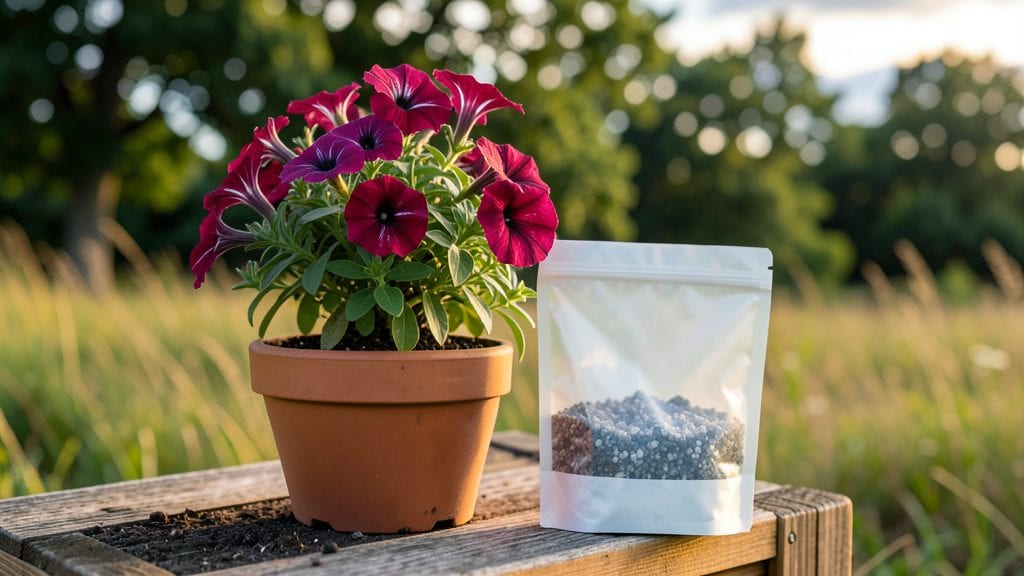
Fertilizing your petunia plants with the right petunia plant fertilizer is the game-changer between a few blooms and a bed of non-stop color 🌸.
Struggling to keep your petunias blooming all season long? The secret isn't just water and sunlight—it's the right petunia plant fertilizer with balanced NPK ratios that fuel vibrant flowers without burning delicate roots.
Most gardeners focus on water and sunlight, but petunias need a steady supply of nutrients to keep producing those show-stopping blooms. Too little fertilizer means weak stems and sparse flowers, while too much can scorch your plants before they even get started.
In this guide, I’ll break down the best types of fertilizer—organic and synthetic—how often to apply them, and the exact timing to keep your petunias thriving from June through September.


Understanding petunia plant fertilizer: optimal NPK ratios for maximum blooms
Petunias thrive when their nutrient needs are met with precision, especially during their 6-8 week flowering season. Unlike many plants, petunias respond dramatically to the right NPK ratios—where nitrogen fuels foliage, phosphorus triggers blooms, and potassium strengthens stems.
Using a 10-10-10 fertilizer is common, but this isn't always optimal for every growth stage.
A high-phosphorus formula like 5-10-5 is ideal when your petunias are actively blooming, while a balanced 10-10-10 supports overall plant health during vegetative growth. The key is adjusting ratios based on whether your petunias are leafing out or producing flowers.
Over-fertilizing with nitrogen can lead to lush green leaves but fewer blooms, while too much potassium may cause leaf burn.
Here’s how each nutrient impacts your petunias:
Nitrogen (N) promotes leafy growth but can reduce flowering if overused. A low-nitrogen fertilizer (like 5-10-10) is best once buds form. Phosphorus (P) is the bloom booster—it encourages root development and flower production. Without enough phosphorus, your petunias may produce smaller, weaker blooms. Potassium (K) enhances disease resistance and helps petunias retain moisture, which is critical during hot summers.
For container-grown petunias, a water-soluble fertilizer with a 5-10-5 ratio applied every 2 weeks during peak bloom is ideal. In-ground petunias benefit from a slow-release granular fertilizer like 10-10-10 applied in early spring, followed by a high-phosphorus top-dressing when buds appear.
Timing matters too. Feed petunias lightly in spring (when roots are establishing) and heavily in summer (when blooming is at its peak). Avoid fertilizing in fall or winter, as petunias go dormant and won’t absorb nutrients.
🌸
summary-table
For container petunias, always use half the recommended dose to prevent root burn. Mix fertilizer into the top 1-2 inches of soil or dissolve it in water for foliar feeding.
If you notice yellowing leaves, it may signal nitrogen toxicity, while brown leaf edges often indicate potassium deficiency or over-fertilization.
Pro tip: Flush the soil with water after fertilizing to prevent salt buildup, which can stunt growth. Organic options like fish emulsion (5-1-1) or compost tea are great for petunias, though they require more frequent applications to match synthetic NPK ratios.
🌿
When choosing a fertilizer, always check the label for "bloom booster" formulations. These often contain micronutrients like magnesium and calcium, which petunias need for vibrant colors. Avoid high-nitrogen lawn fertilizers—they’ll leave you with
Best organic and synthetic petunia fertilizers compared: what gardeners recommend
Petunias thrive on the right petunia plant fertilizer, but choosing between organic and synthetic options can feel overwhelming. Organic fertilizers like fish emulsion or compost tea feed roots gently, while synthetic blends like Miracle-Gro Blooms deliver quick, concentrated nutrients.
Each has unique benefits for bloom duration, ease of use, and cost-effectiveness—let’s break down what works best for your garden.
For long-lasting blooms, I recommend prioritizing phosphorus-rich fertilizers (like 5-10-5 or 10-10-10 NPK ratios) during the flowering stage. However, the type of fertilizer—whether liquid or granular—also plays a critical role.
Liquid fertilizers like compost tea are absorbed faster, ideal for quick nutrient boosts, while granular options like slow-release pellets provide steady feeding over weeks.
⚠️ PROS & CONS BOX: PETUNIA PLANT FERTILIZER
Organic Fertilizers
Synthetic Fertilizers
Pros:
- Gentle on roots
- Improves soil health
- Slow-release nutrients
Pros:
- Fast-acting results
- Precise NPK ratios
- Easy to measure
Cons:
- Slower blooming
- Requires frequent applications
- Can attract pests
Cons:
- Risk of root burn
- No soil improvement
- Higher cost per use
My go-to for organic petunia fertilizer is fish emulsion—it’s packed with nitrogen for leafy growth and phosphorus for flower production. I dilute it to half-strength (1 tbsp per gallon) to avoid overfeeding.
For synthetic options, Miracle-Gro Blooms is a favorite among gardeners for its balanced 15-30-15 NPK ratio, which encourages prolonged flowering. Just follow the label closely to prevent fertilizer burn.
If you prefer slow-release fertilizers, look for Osmocote Smart-Release or Jobe Organic Granules. These pellets dissolve gradually, reducing the risk of over-fertilization while keeping your petunias blooming for months.
For container petunias, I swear by liquid fertilizers like Fox Farm Big Bloom—it’s easy to mix into water and delivers immediate nutrients without clogging drainage holes.
Cost-wise, organic fertilizers like compost tea or worm castings are budget-friendly but require more effort. Synthetic options like Miracle-Gro are pricier upfront but save time. For large gardens, granular slow-release fertilizers offer the best value per square foot.
Always test your soil first—petunias prefer a slightly acidic pH (6.0-7.0), and fertilizers can alter this over time.
Pro tip: Alternate between organic and synthetic fertilizers to balance soil health and bloom intensity. For example, use fish emulsion in spring for root development and switch to Miracle-Gro Blooms in summer for peak flowering.
And remember—less is more. Over-fertilizing can lead to leafy growth at the expense of flowers, so always follow the recommended dosage.