
Diseases
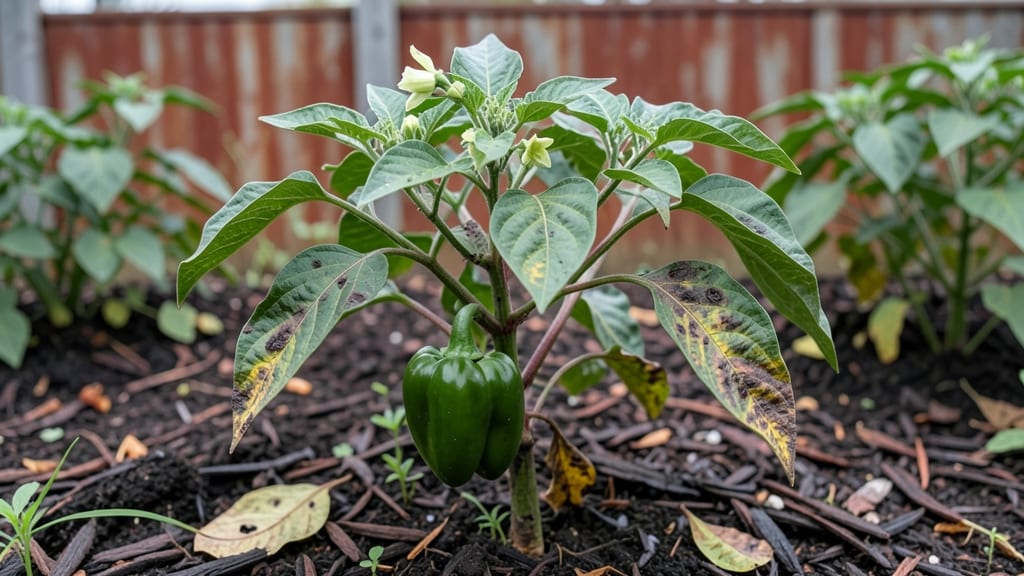
Spotting pepper plant diseases early saves your harvest before they turn into a fungal free-for-all. 🌿 I’ve lost entire plants to powdery mildew and bacterial spot—until I learned the telltale signs: yellowing leaves, dark spots, or white fuzz. The key is catching these threats fast, before they spread like wildfire.
Most fungal diseases thrive in damp, crowded conditions, so proper spacing and airflow are your first line of defense. I’ve found that removing infected leaves immediately and avoiding overhead watering cuts outbreaks by half.
Even a simple copper spray can stop the spread when used at the first sign of trouble.
Once you recognize the symptoms—like the greasy spots of bacterial spot or the powdery coating of mildew—you’ll be ready to act. Organic options like neem oil or baking soda mixtures work wonders, but if the infection’s already deep, targeted fungicides can save your plants.
The goal? Keep them healthy enough to fight back.
This isn’t just about treating diseases—it’s about preventing them. Rotate crops, sanitize tools, and give your peppers the right conditions, and you’ll spend less time scrambling and more time enjoying those spicy, sweet harvests. Let’s get your plants back on track.
Root Causes of Pepper Plant Ailments
Understanding why pepper plants fall prey to diseases is the first step in preventing them. Fungal, bacterial, and viral infections don’t strike randomly—they thrive when conditions align just right.
Below, we break down the key triggers behind pepper plant diseases, so you can address the root of the problem before it spreads.
Pepper plants are tropical at heart—they love warmth but hate soggy, stagnant air. When temperatures dip too low or humidity spikes, fungal pathogens like Phytophthora (which causes root rot) and Alternaria (responsible for leaf spots) get the green light to multiply.
- Too much humidity (above 70%) creates a damp, fungal-friendly environment. Poor air circulation (e.g., crowded plants or dense foliage) traps moisture, giving spores a perfect breeding ground. - Temperature swings (below 60°F or above 90°F) weaken the plant’s defenses.
Cold stress makes peppers more susceptible to Xanthomonas (bacterial leaf spot), while heat stress opens wounds that invite infections. - Nighttime dew is a double-edged sword—while it’s natural, prolonged moisture on leaves (especially in greenhouses or high-humidity climates) encourages Powdery Mildew to spread like wildfire.
Pro Tip: 🌡️ Use a hygrometer to monitor humidity and space plants 12–18 inches apart for airflow. If humidity climbs, run a fan or dehumidifier to keep levels between 40–60%.
Pepper plants drown in love—too much water suffocates roots, blocks oxygen, and turns soil into a fungal buffet. Diseases like root rot (Phytophthora capsici) and damping-off (a seedling killer) thrive in waterlogged conditions.
- Compacted or poorly draining soil traps excess water at the roots. Clay-heavy soils or containers without drainage holes are magnets for rot. - Frequent shallow watering keeps the topsoil soggy, inviting Fusarium wilt.
This fungus clogs the plant’s vascular system, cutting off water and nutrients. - Overhead watering (especially in the evening) leaves leaves damp overnight, perfect for Alternaria and Septoria spores to germinate.
Pro Tip: ⏰ Water deeply but infrequently—aim for 1–1.5 inches per week, letting the top inch of soil dry out between sessions. Use drip irrigation or soaker hoses to avoid wetting foliage.
Diseases don’t just appear—they hitchhike on dirty tools, infected plant debris, or reused soil. Even well-meaning gardeners unknowingly spread pathogens like Pseudomonas (bacterial spot) or Verticillium wilt through poor hygiene.
- Reusing pruners, trellises, or containers without sterilizing them transfers spores from infected to healthy plants.
- Compost or potting mix from diseased plants may still harbor dormant fungi or bacteria. Verticillium can survive in soil for years, waiting for the right host.
- Splashes from infected plants during rain or watering can aerosolize spores, infecting nearby peppers.
Pro Tip: 🔥 Sterilize tools with 70% rubbing alcohol or a 10% bleach solution between uses. Replace contaminated soil with fresh, sterile mix or solarize old soil by covering it with clear plastic for 4–6 weeks to kill pathogens.
Stressed peppers are like open doors for diseases. Nutrient deficiencies, physical damage, or pest attacks weaken the plant’s immune system, making it vulnerable to opportunistic pathogens.
- Nitrogen deficiency (yellowing leaves) or potassium deficiency (weak stems) reduce the plant’s ability to fight infections.
A balanced fertilizer (10-10-10) keeps peppers resilient. - Physical wounds from hail, improper harvesting, or rough handling create entry points for Erwinia (soft rot) or Colletotrichum (anthracnose). - Pest damage (e.g., aphids or spider mites) doesn’t just sap sap—it transmits viruses like Tobacco Mosaic Virus (TMV), which has no cure.
Pro Tip: 💪 Strengthen peppers proactively with:
- Compost or worm castings for organic nutrients.
- Neem oil to deter pests before they cause damage.
- Supportive staking to prevent stem breaks during harvest.
Quick Fixes for Pepper Plant Woes
Now that you’ve identified the problem, let’s roll up our sleeves and get your peppers back on track! Whether it’s a fungal foe like Phytophthora blight or a pesky pest like aphids, these targeted solutions will help you restore health and prevent future outbreaks.
Remember: early action is key! 🚀
🔥 Remove and Replace Infected Plants
If your peppers are showing yellowing leaves, brown stems, or moldy spots, act fast: - Snip or uproot affected plants immediately—don’t compost them!
(Fungal spores can survive.) - Dispose of them in a sealed bag or burn them (if safe in your area). - Space out remaining plants to improve airflow—fungi thrive in damp, crowded conditions.
🍳 Copper Fungicide Spray (Best for Early Stages)
Copper-based sprays (like Bordeaux mixture or copper sulfate) disrupt fungal cell walls. Here’s how to use them: 1. Mix 1 tbsp copper fungicide per gallon of water.
- Spray the undersides of leaves (where spores hide) and stems at dawn or dusk (avoid direct sun).
- Reapply every 7–10 days until the threat passes. > 💡 Pro Tip: Add a drop of dish soap to help the spray stick better!
👨🍳 Improve Drainage & Soil Health
Fungi love soggy soil. Fix it with these steps:
- Amend soil with perlite, sand, or compost to boost drainage.
- Raise beds if your garden floods easily.
- Mulch with straw (not wood chips—they retain too much moisture).
🥘 Preventative Fungicide Rotation
If fungi keep coming back, rotate treatments to avoid resistance:
- Week 1: Copper fungicide
- Week 2: Neem oil (natural antifungal)
- Week 3: Baking soda spray (1 tsp baking soda + 1 tsp oil + 1 quart water)
🔪 Handpick & Crush Aphids/Spider Mites
For tiny green pests (aphids) or fine webbing (spider mites):
- Rinse plants with a strong spray of water to knock them off.
- Wipe leaves with a soapy cloth (mix 1 tsp mild soap in 1 quart water).
- Release ladybugs—they’re natural aphid predators! 🐞
🌡️ Neem Oil Spray (Works on Fungi & Pests)
Neem oil is a powerhouse for peppers. Here’s the recipe: 1. Mix 1 tbsp neem oil + 1 tsp mild soap + 1 quart water.
- Shake well and spray all plant surfaces (avoid flowering peppers if bees are around).
- Reapply every 5–7 days until pests are gone.
🎯 Preventative Barriers
Stop pests before they start:
- Row covers (lightweight fabric) block flying insects.
- Sticky traps catch whiteflies and aphids.
- Interplant with basil or marigolds—they repel pests naturally!
| Problem | Immediate Fix | Long-Term Prevention |
|---|---|---|
| Wilting (Fungal Root Rot) | Trim dead roots, repot in fresh soil | Use raised beds, avoid overwatering |
| Black Spots on Leaves | Prune infected leaves, spray copper | Space plants, water at soil level |
| Yellowing Leaves | Check for overwatering or nutrient lack | Test soil pH, fertilize with compost tea |
| Stunted Growth | Remove pests, improve sunlight | Rotate crops, avoid planting in same spot |
- Prune damaged leaves to redirect energy to healthy growth.
- Fertilize lightly with fish emulsion (rich in nitrogen) to help recovery.
- Water at the base (not overhead) to keep foliage dry—fungi hate this!
Final Thought: Most pepper diseases are preventable with good hygiene, airflow, and smart watering. Once you’ve treated the current issue, stay vigilant—healthy peppers are your best defense! 🌶️💪
Frequently asked questions
What are the most common signs of pepper plant diseases?
Look for yellowing leaves, dark spots (especially on undersides), white powdery coatings, or wilting stems. Bacterial spots appear as greasy, water-soaked marks, while fungal infections often show as fuzzy growths. Check for stunted growth or rotting roots too—these are red flags for serious issues.
Can I save a pepper plant already infected with powdery mildew?
Yes, but act fast! Prune all infected leaves immediately and spray with a baking soda solution (1 tsp baking soda + 1 quart water + a drop of soap). For severe cases, use neem oil every 5–7 days until the white powder disappears. Improve airflow by spacing plants 12–18 inches apart.
Why does my pepper plant get diseases even with good care?
Diseases often strike due to hidden factors like contaminated soil (from previous infected plants) or pests weakening the plant. Even with perfect watering, temperature swings or poor drainage can invite pathogens. Test soil pH (6.0–6.8 is ideal) and check for hidden pests like aphids.
Is it safe to compost pepper plant leaves with diseases?
No—composting infected leaves spreads spores! Instead, bag and discard them in the trash or burn them (if safe). Fungal spores like Phytophthora or Verticillium can survive composting and reinfect your garden. Always sterilize tools after pruning diseased plants.
How often should I spray fungicides on my pepper plants?
For prevention, spray every 2–3 weeks during humid seasons. If treating an active infection, apply copper fungicide or neem oil weekly until symptoms vanish. Rotate treatments to avoid resistance—alternate between baking soda spray, neem oil, and organic fungicides.