
Plants
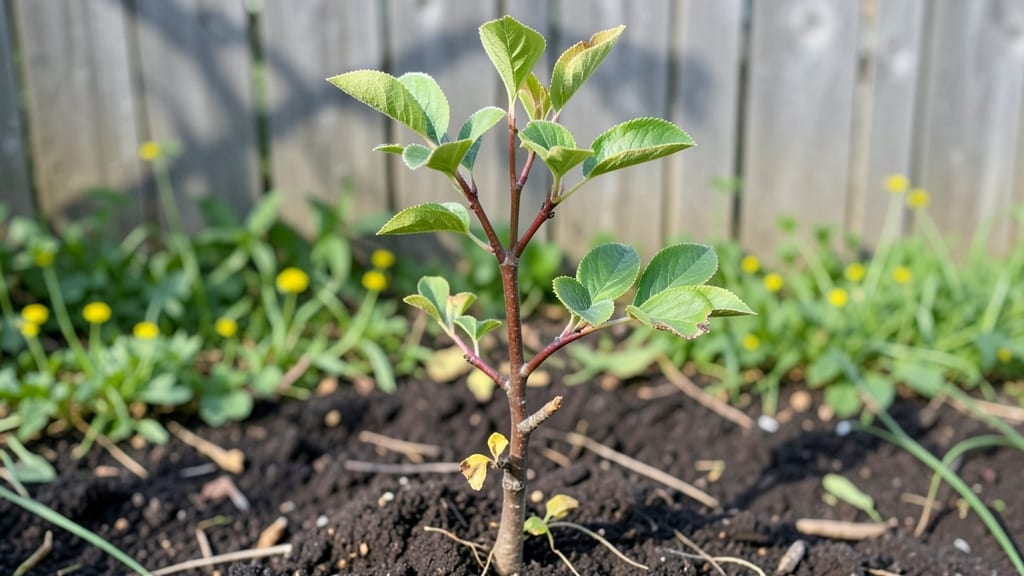
A small peach plant can deliver sweet rewards in even the tiniest yard. 🌱 I planted my first dwarf peach tree in a 15-gallon container last spring, and now it’s loaded with miniature fruit—proof that you don’t need an orchard to enjoy homegrown peaches.
The key is choosing the right variety and giving it just enough space to thrive.
You’ll need a sunny spot with at least 6 hours of direct light daily, well-draining soil (mix in compost or sand if yours is heavy), and a container with drainage holes if growing in pots.
Dwarf varieties like ‘Bonanza’ or ‘Little Princess’ stay under 6 feet tall, making them perfect for patios, balconies, or small garden corners. Just avoid frost-prone areas—peaches need warm weather to fruit well.
Water deeply once a week (more in heatwaves) and fertilize lightly in spring with a balanced 10-10-10 mix. Prune in late winter to shape the tree and remove dead wood, and watch for peach leaf curl—spray with copper fungicide early if you see fuzzy buds.
With patience, your tiny tree could bear fruit in 2-3 years, though some dwarf types fruit even sooner.
Container growers can overwinter their trees by moving pots indoors near a sunny window or wrapping the container in burlap. The first harvest might be small, but the joy of biting into a peach you nurtured yourself? Priceless. Ready to get started?
📚 In This Guide
- What you need
- Instructions
- Tips and common mistakes
- Wrapping up and next steps
What you need
- ● Peach plant (dwarf or semi-dwarf variety) – Choose a compact cultivar like Bonanza, Redhaven, or Elberta (ensure it’s suitable for containers or small gardens).
- ● Container or pot – 15–25 gallon size (minimum 18" deep) with drainage holes. Fabric grow bags or plastic pots work well.
- ● High-quality potting mix – 1 bag (1–2 cubic feet) of well-draining soil blend (e.g., 60% potting soil + 30% perlite + 10% compost).
- ● Slow-release fertilizer – 1 lb of balanced 10-10-10 or 8-3-9 granules for planting.
- ● Pruning shears – Sharp, bypass-style (for clean cuts).
- ● Watering can or hose with a gentle spray nozzle – For deep, even watering.
- ○ Mulch (optional but recommended) – 2–3 inches of straw or wood chips to retain moisture.
- ● Grow lights or sun lamp – If growing indoors near a window with <6 hours of sunlight.
- ● Plant support (cage or stakes) – For varieties that may need light trellising.
- ● pH testing kit – To ensure soil pH is between 6.0–6.5 (ideal for peaches).
- ● Fruit thinners – If you plan to harvest fruit (reduces overcrowding).
- ● Drip irrigation system – For automated, consistent watering.
Step-by-step guide for growing compact peach trees in small spaces
Here’s how to cultivate dwarf peach varieties that thrive in containers or tight garden beds.
🌱 Step 1: Select the Right Dwarf Rootstock and Variety
Start with a dwarfing rootstock like Lovell or Nemaguard—these keep trees under 6-8 feet tall while producing full-sized fruit. Pair it with a compact peach variety such as ‘Bonanza,’ ‘Redhaven,’ or ‘Sanguinole,’ all bred for smaller growth habits. I always check the label for self-pollinating types to simplify planting.
If buying bare-root, soak roots in lukewarm water for 2-4 hours before planting to rehydrate them. For container-grown dwarf trees, inspect the root ball for circling roots—these need gentle teasing apart before planting. This ensures the tree establishes quickly without stress.
🪴 Step 2: Prepare the Planting Site or Container
For in-ground planting, choose a spot with full sun (6+ hours daily) and well-draining soil. Amend heavy clay with 2-3 inches of compost mixed into the top 12 inches of soil. Dwarf peaches tolerate a range of soil types but perform best in slightly acidic to neutral pH (6.0-7.0).
For containers, use a 5-gallon pot with drainage holes and fill with a mix of 60% potting soil, 30% perlite, and 10% compost. Place a 2-inch layer of gravel at the bottom to prevent root rot. Position the pot where it gets morning sun and afternoon shade in hot climates—this mimics the tree’s natural protection from intense afternoon rays.
☀️ Step 3: Plant and Establish the Tree
Dig a hole twice as wide as the root ball but no deeper. Gently remove the tree from its container and loosen any circling roots with your fingers. Position the graft union—visible as a slight bulge on the trunk—2-3 inches above the soil line. This ensures the tree grows true to its dwarfing characteristics.
Backfill with soil, pressing lightly to remove air pockets, then water deeply until moisture reaches 6 inches down. Mulch with 2-3 inches of wood chips, keeping it 3 inches away from the trunk to prevent rot. Young dwarf peaches need consistent moisture—water when the top 1-2 inches of soil feel dry—but avoid soggy conditions.
✂️ Step 4: Prune for Shape and Fruit Production
Prune in late winter or early spring before buds swell. Remove any dead, crossing, or inward-growing branches, then open the center of the tree to improve airflow. Dwarf peaches benefit from an open vase shape, which lets light penetrate to the core for better fruiting. Cut back overly vigorous shoots to encourage a balanced structure.
Thin fruit in early summer when peaches are 1 inch in diameter, leaving 6-8 inches between each fruit. This prevents overcrowding and ensures larger, sweeter peaches. I always wear gloves—peach tree thorns are sharp! After thinning, fertilize lightly with a balanced 10-10-10 formula to support new growth.
💧 Step 5: Maintain Through the Growing Season
Water deeply 1-2 times per week during dry spells, aiming for 1-1.5 gallons per tree (adjust for containers). Dwarf peaches are drought-tolerant once established but produce best with consistent moisture. You’ll know they’re thirsty when leaves curl at the edges or fruit starts to shrivel.
Monitor for pests like aphids or peach tree borers—treat infestations early with neem oil or insecticidal soap. In fall, apply a 2-inch layer of mulch around the base (avoiding the trunk) to insulate roots. Dwarf peaches are hardy to USDA Zone 5, but young trees may need winter protection like burlap wraps in colder regions.
Tips & tricks for perfectly growing compact peach trees
A few strategic moves will help your dwarf peach thrive in tight spaces and deliver abundant fruit. These are the insights I wish I'd known before planting my first compact peach tree.
Rootstock Selection: The 2-4 hour soaking period for bare-root trees isn't just about hydration—it's about giving stressed roots a fighting chance. I've found that soaking in lukewarm water (around 70°F) with a drop of seaweed extract accelerates root regeneration. For container-grown trees, that root ball inspection is critical: circling roots mean the tree has been pot-bound, which can stunt growth for years if not addressed. Use a sharp knife to carefully slice through any tight circles before planting.
Container Setup: While the 5-gallon pot recommendation works, I've had success with 7-gallon containers for slightly larger dwarf varieties. The key is that drainage layer—don't skimp on the 2-inch gravel base. I've seen root rot develop within weeks when growers use too little gravel or forget drainage holes. For containers, consider adding a slow-release fertilizer pellet during planting to supplement the 10-10-10 formula you'll apply later.
Planting Precision: That graft union position—2-3 inches above soil line—isn't arbitrary. It's where the dwarfing rootstock meets the scion wood. Planting too deep can cause the union to rot, while planting too high may expose it to temperature swings. I use a small wooden stake to mark the correct depth before backfilling. The 6-inch deep watering isn't just about moisture—it's about encouraging roots to grow downward rather than circling at the surface.
Pruning Strategy: When thinning fruit to 6-8 inches apart, I've found that leaving the largest peaches actually reduces overall yield but increases fruit size. The real secret is timing—wait until those peaches are exactly 1 inch in diameter before thinning. Earlier thinning can stress the tree, while waiting too long reduces your harvest potential. And yes, those thorns are serious—wear heavy-duty gardening gloves when pruning or harvesting.
Pro Tips for Peach Small Plant
- A few strategic moves will help your dwarf peach thrive in tight spaces and deliver abundant fruit.
- Rootstock Selection: The 2-4 hour soaking period for bare-root trees isn't just about hydration—it's about giving stressed roots a fighting chance.
- Container Setup: While the 5-gallon pot recommendation works, I've had success with 7-gallon containers for slightly larger dwarf varieties.
Frequently asked questions
Got questions about growing your own peach small plant? You’re not alone! Here are some of the most common queries—and straightforward answers—to help you cultivate a thriving mini peach tree, whether in a pot or small garden.
How long does it take for a dwarf peach tree to bear fruit?
A peach small plant typically takes 2–4 years to produce fruit, depending on the variety, care, and climate. Dwarf varieties like ‘Bonanza’ or ‘Bonanza Red’ are faster, often fruiting within 2–3 years with proper pruning, sunlight (6+ hours/day), and consistent watering. Patience pays off—smaller trees just need a little extra TLC!
Can I grow a peach tree in a container if I live in a cold climate?
Yes! Choose a hardy dwarf peach variety (e.g., ‘Bonanza’ or ‘Fay Elberta’) and use a large pot (15+ gallons) with drainage. Overwinter by moving the pot to a sheltered spot (garage, basement) or wrapping the container in bubble wrap and mulch. Avoid freezing roots—never let soil temps drop below 20°F.
Why aren’t my peach tree’s leaves turning green, and how can I fix it?
Yellow or pale leaves often signal nutrient deficiency (usually nitrogen or magnesium) or over/under-watering. Test soil pH (ideal: 6.0–6.5) and amend with balanced fertilizer (10-10-10) in spring. Check for chlorosis (yellowing between veins)—this could mean iron deficiency, fixed by a chelated iron supplement or compost.
Can I propagate a peach small plant from cuttings?
Peach trees are hard to root from cuttings (they’re not naturally adventitious), but you can try air layering or grafting for propagation. The easiest method? Buy a certified disease-free dwarf sapling from a nursery. If you’re ambitious, try whip-and-tongue grafting in late winter—just be patient!
What pests should I watch for on a dwarf peach tree?
Keep an eye out for aphids, peach leaf curl fungus, and borers. Use neem oil for aphids, copper fungicide in winter to prevent leaf curl, and beneficial nematodes for borers. Prune infected branches immediately and clean up fallen leaves to reduce fungal spores. Regular inspections = happy, pest-free peaches!
Wrapping up and next steps
Growing a peach small plant is a rewarding journey that brings sweet rewards to even the tiniest spaces!
Whether you’re nurturing a dwarf variety in a container or tucking one into a cozy garden nook, these compact peaches prove that big flavors come in small packages. 🌱 With the right care—sunlight, well-draining soil, and a little patience—you’ll soon enjoy homegrown fruit that tastes like summer.
Ready to take the next step? Start by selecting your favorite dwarf variety and give it the love it deserves. Before you know it, you’ll be harvesting juicy peaches straight from your own backyard—no orchard required! 🍑