
Plants
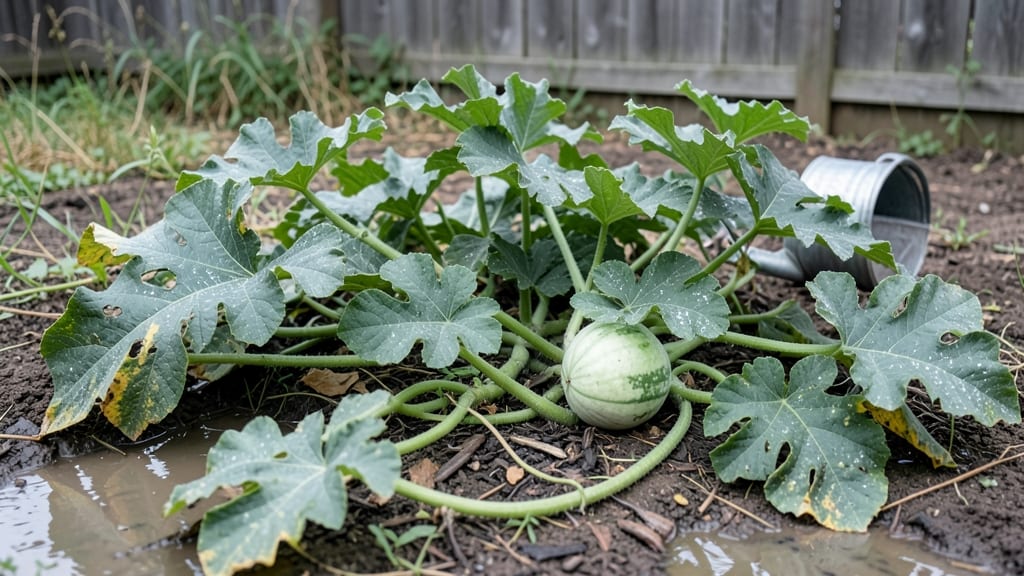
My overwatered watermelon plant looked like a sad, drooping mess—yellowing leaves, mushy stems, and vines that wouldn’t bounce back. 🌱 The good news? With the right adjustments, you can revive it in just three days and keep those vines thriving for the rest of the season.
I’ve saved my fair share of waterlogged melons, and the secret lies in cutting back on water, fixing drainage, and giving roots a chance to breathe again.
The first sign you’ve overwatered is usually those sad, yellow leaves that won’t stay upright, even when you water less. Root rot sets in fast when soil stays soggy, cutting off oxygen and drowning the roots.
My plants went from wilting to perky within 72 hours once I adjusted the watering schedule—now they’re back to climbing strong. The key is checking soil moisture before watering and ensuring pots or beds have proper drainage.
You’ll see the turnaround in just a few days: new green leaves, firmer stems, and vines that start reaching for the sky again. The best part? Once you fix the watering routine, your watermelon plant will bounce back stronger than ever, producing sweeter fruit and fewer future meltdowns.
Let’s get those roots breathing easy again—your melons will thank you.
This works for both container-grown and in-ground watermelons, so whether you’re dealing with a pot on your patio or a patch in your garden, the same principles apply.
The only difference is how much soil you need to adjust—containers dry out faster, so they need even more careful monitoring. Here’s how to turn things around fast.
Root Causes Of Overwatered Soil
When your watermelon plant starts looking sad—leaves yellowing, vines wilting, or roots turning mushy—it’s often a sign of overwatering. But why does this happen? The issue usually stems from a mix of environmental, soil, and human factors that disrupt the plant’s delicate water balance.
Let’s break down the science behind the soggy soil syndrome.
Watermelon plants thrive in well-draining soil, but if your garden bed or container lacks proper drainage, water pools around the roots instead of flowing away. This creates an anaerobic (oxygen-free) environment, where roots suffocate and harmful microbes thrive.
- Clay-heavy soil compacts easily, forming a barrier that prevents water from escaping. Even after the surface dries, pockets of moisture remain underground.
- Containers without drainage holes turn into water traps. Without an exit, excess water sits at the bottom, drowning roots over time.
- Hardpan layers (dense soil layers beneath the surface) block water from seeping deeper, forcing it to linger near the roots.
Actionable fix: Amend clay soil with compost or perlite, and always use pots with drainage holes. If hardpan is an issue, consider raised beds or deep soil aeration.
Even the best-intentioned gardeners can fall into the trap of watering on a rigid schedule rather than responding to the plant’s needs. Watermelon plants have shallow roots that absorb moisture quickly, but once saturated, they struggle to recover.
- Daily light watering keeps the soil damp longer than necessary, preventing it from drying out between sessions.
- Ignoring weather conditions: Heavy rain followed by watering doubles the moisture, overwhelming the roots.
- Using sprinklers can lead to uneven watering—some areas get drenched while others stay dry, confusing the plant’s hydration signals.
Actionable fix: Water deeply 2–3 times per week (adjust for climate) and check soil moisture before watering. Stick your finger 1–2 inches into the soil—if it’s damp, wait.
Not all soil is created equal. Some mixes—like peanut-based potting soils or heavy mulch layers—hold onto moisture for days, suffocating roots. Even organic-rich soils can become too dense if not balanced with sand or vermiculite.
- Peat moss or coconut coir (common in potting mixes) retain water aggressively, especially in humid climates.
- Thick mulch layers (over 3 inches) prevent soil from drying out, trapping moisture against the roots.
- Lack of organic matter leads to soil that repels water instead of absorbing it, creating dry pockets while other areas stay soggy.
Actionable fix: Mix in coarse sand, perlite, or compost to improve aeration. For containers, use a 50/50 blend of potting soil and perlite.
Watermelons love warmth, but high humidity combined with cool temperatures can slow evaporation, keeping soil wet longer than ideal. This is especially true in greenhouses, shaded areas, or regions with frequent fog.
- Humidity above 70% reduces the soil’s ability to dry out naturally, even if you’re not adding water.
- Cooler nights (below 60°F) slow root activity, making plants more susceptible to waterlogging.
- Shade from trees or structures prevents sunlight from drying the soil surface.
Actionable fix: Improve airflow with fan circulation in greenhouses or prune nearby shade sources. In humid climates, water in the morning so excess moisture evaporates by evening.
Each of these factors—drainage, watering habits, soil composition, and climate—plays a role in turning your watermelon patch into a swamp. The good news? Once you identify the root cause, you can revive your plant in days with targeted fixes.
Stay tuned for our next section on quick recovery steps!
Revive Your Watermelon Plant Fast
Overwatering can turn your thriving watermelon vine into a sad, drooping mess—but don’t panic! With the right steps, you can nurse it back to health in just 3 days. Below, we’ll break down cause-specific fixes, so you can act quickly and prevent future mistakes.
Cause: Excess moisture suffocates roots, cutting off oxygen and nutrients. Fix:
- Pause watering for 24–48 hours to let the soil dry out slightly.
- If the soil feels soggy or smells musty, wait longer (up to 72 hours).
- Pro Tip: 💡 Use your finger to check moisture—if the top 1–2 inches are damp, hold off.
Cause: Compacted or poorly draining soil traps water, leading to root rot. Fix:
- Repot if needed: If using containers, move the plant to a pot with drainage holes (or add a layer of pebbles at the bottom).
- Amend garden soil: Mix in perlite, sand, or compost (20–30%) to loosen texture.
- Raise beds: For in-ground plants, create mounds to encourage runoff.
Cause: Overwatering often stems from inconsistent schedules or ignoring weather. Fix:
- Water deeply but less often: Aim for 1–1.5 inches per week (check with a rain gauge).
- Morning watering only: Avoid evening watering to prevent fungal growth.
- Mulch properly: Apply 2–3 inches of straw or wood chips to retain just enough moisture.
Cause: Yellowing or mushy leaves signal stress—pruning helps redirect energy. Fix:
- Snip off: 🔪 Remove yellow, brown, or wilted leaves with clean scissors.
- Focus on new growth: Trim back overly leggy vines to encourage bushier, healthier regrowth.
- Avoid over-pruning: Keep 30–50% of the plant to maintain photosynthesis.
Cause: Weak, waterlogged plants struggle in shady or stagnant conditions. Fix:
- Move to full sun: Watermelons need 6–8 hours of direct sunlight daily.
- Space plants 3–4 feet apart to prevent humidity buildup.
- Use a fan (optional): A gentle breeze mimics natural airflow, speeding recovery.
- Test soil moisture: Stick a wooden skewer in the soil—if it comes out clean, water is needed.
- Upgrade containers: Ensure pots have holes and use well-draining mixes.
- Monitor weather: Adjust watering during rainy spells (skip watering if rain exceeds 0.5 inches).
- Fertilize lightly: Use a balanced 10-10-10 fertilizer after recovery to rebuild strength.
⏳ Timeline for Revival:
- Day 1–2: Leaves perk up, wilting slows.
- Day 3: New growth appears; roots stabilize.
- Week 2: Plant resumes normal vine development.
With these fixes, your watermelon plant will bounce back—and you’ll avoid future soggy disasters! 🍉💦
Frequently asked questions
Why do my watermelon plant leaves turn yellow when overwatered?
Yellowing leaves are a classic sign of root stress from excess moisture. Overwatering cuts off oxygen to roots, causing them to suffocate and release toxins that turn leaves yellow. Check the soil—if it smells musty or feels soggy, you're likely drowning your plant's roots.
How can I tell if my watermelon plant is overwatered vs. underwatered?
Overwatered plants show yellow leaves with brown edges, mushy stems, and wilting despite damp soil. Underwatered plants have crispy brown edges and dry, pulling soil. Stick your finger 1-2 inches deep—if it's damp, you're overwatering; if dry, it's thirsty.
Can I save my watermelon plant if the roots look black and mushy?
You may still save it! Trim away all black, mushy roots with clean scissors, then repot in fresh, well-draining soil mix. Give it 24 hours to recover before watering lightly. If over 50% of roots are rotten, recovery becomes unlikely.
What's the best way to adjust my watering schedule for watermelons?
Water deeply 2-3 times per week (about 1-1.5 inches total) rather than daily light watering. Always check soil moisture first—if the top 1-2 inches are damp, wait. Morning watering prevents fungal growth, and mulching helps maintain even moisture.
Will my watermelon still produce fruit if I fix the overwatering now?
Yes! Once roots recover (usually within 3-5 days), your plant can still produce fruit. The key is acting fast—remove damaged leaves, improve drainage, and maintain consistent moisture. Expect smaller yields this season, but future harvests will be stronger.